
Lawn
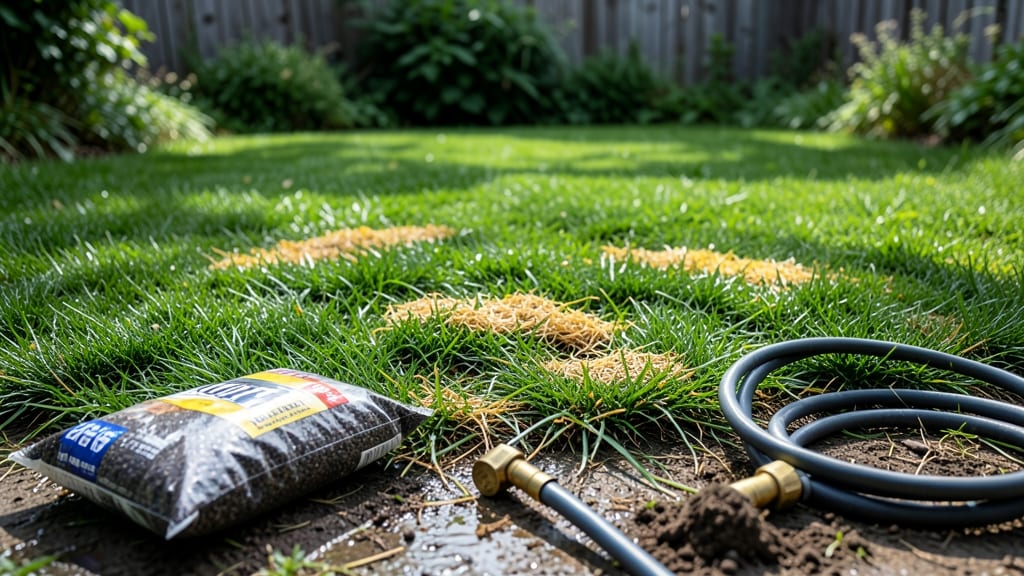
Learn how to stop grass from dying from dog pee—before the brown patches take over your lawn for good. Overwatering after potty breaks dilutes the damage, but that’s just the start of what I’ve learned to protect my yard.
First, I switched to dog-friendly ground covers like clover or creeping thyme in high-traffic areas—they handle urine better than grass. Then I added a nitrogen-rich fertilizer (like milorganite) to help grass recover faster. The key is acting within 24 hours of seeing damage, so the roots don’t get permanently scorched.
You’ll see lush green patches return within a few weeks if you combine these steps: dilute the pee with water, fertilize, and train your dog to potty in one spot. My lawn now stays vibrant, even with two energetic pups tearing through it daily.
For stubborn patches, consider mulching with wood chips or installing gravel pathways where dogs frequent most. It’s not just about saving the grass—it’s about creating a yard that works for both you and your pets.
Why it happens
If your lawn looks like it’s been through a war zone after your pup does their business, you’re not alone. 🐕💦 Dog urine is packed with nitrogen, which sounds like a good thing for grass—until you realize it’s a double-edged sword.
While nitrogen is essential for plant growth, the highly concentrated dose in urine can send your grass into shock. Let’s break down the science behind why your lawn turns into a patchy, sad landscape after every potty break.
🔬 Overconcentration of Nitrogen Burns Grass
Dog urine is about 10 times more concentrated in nitrogen than natural rainfall or fertilizer. When your pup pees, the nitrogen levels in that spot can spike to 10,000 parts per million (ppm)—way beyond what grass can handle. Here’s what happens:
- Cellular Overload: Grass blades absorb the excess nitrogen like a sponge, causing cells to burst due to osmotic pressure. Think of it like overwatering a houseplant—too much at once, and the roots (and leaves) suffocate.
- pH Imbalance: Urine is acidic (pH ~6.0–6.5), but when it mixes with soil, it can drop the pH locally to 4.0 or lower—the equivalent of a lemon juice splash on your lawn. Acidic soil locks out essential nutrients like phosphorus and potassium, starving the grass.
- Salt Buildup: Dog urine contains urea and uric acid, which break down into ammonia (NH₃) and then nitrates (NO₃⁻). These compounds act like chemical salts, dehydrating grass roots and creating brown, crispy patches.
Pro Tip: 💡 If you’ve ever noticed yellow rings around where your dog pees, that’s the ammonia burning the grass tissue. It’s not just the urine—it’s the chemical reaction in the soil that does the damage.
🌱 Soil Compaction and Root Strangulation
Dogs don’t just pee—they trample. Every time your pup squats, their weight compresses the soil, reducing oxygen flow to the roots. Here’s the domino effect:
- Reduced Aeration: Compacted soil is like a waterlogged sponge. Roots can’t breathe, so they suffocate, even if the top layer looks green. This is why grass often dies in patches near high-traffic areas.
- Poor Water Drainage: Compacted zones hold water like a swamp, creating anaerobic conditions (no oxygen). Roots rot instead of growing, and fungi like Fusarium move in to finish the job.
- Weakened Root Systems: Stressed roots can’t absorb nutrients or water efficiently. So even if you fertilize, the grass in those spots stays stunted and yellow.
Fun Fact: 🌡️ A study in HortScience found that soil compaction from pets reduced grass density by 40% in just 6 months—even without urine damage.
🦠 Microbial Imbalance and Fungal Invaders
Dog urine isn’t just chemicals—it’s a petri dish for harmful microbes. The ammonia and excess nitrogen create the perfect conditions for:
- Fungal Infections: Fungi like Rhizoctonia and Pyricularia (which causes brown patch disease) thrive in nitrogen-rich, acidic soil. These fungi consume living grass tissue, turning it into a mushy, dead mess.
- Bacterial Overgrowth: Bacteria like Pseudomonas can multiply rapidly in urine-soaked soil, producing toxins that discolor and kill grass.
- Weed Takeover: Weakened grass leaves gaps for crabgrass, clover, or dollarweed to move in. These weeds outcompete your lawn for water and nutrients.
Warning Sign: ✨ If your dog’s pee spots develop a white, powdery mold or a slimy texture, you’ve got a microbial party—and your grass is the main course.
🌦️ Weather and Evaporation: The Double Whammy
Hot, dry weather turns dog urine into a concentrated chemical bomb. Here’s how:
- Rapid Evaporation: In summer, urine dries within 10–30 minutes, leaving behind a crust of salts and ammonia on the soil surface. This crust blocks water and air from reaching the roots.
- Heat Amplification: High temperatures speed up nitrogen conversion into nitrates, which are even more toxic to grass than ammonia.
- Winter Freeze-Thaw Cycle: In cold climates, urine can freeze into the soil, creating ice crystals that tear grass cell walls. When it thaws, the sudden nutrient rush burns the roots.
Seasonal Tip: 🔥 If you live in a hot, dry climate, dilute your dog’s urine by encouraging them to drink more water. Hydrated pee = less concentrated damage.
Revitalize Your Lawn Naturally
Now that you know why dog pee harms grass, let’s tackle the solutions—step by step—to save your lawn without harsh chemicals. The key is balancing dilution, prevention, and recovery to restore your grass’s health.
Below, we’ve mapped the most common causes of dog-pee damage to practical fixes that work for most lawns.
Problem: Highly concentrated urine burns grass instantly, creating brown patches. Fix: Train your dog to pee in designated areas (like a gravel patch or mulched bed) or dilute the pee before it hits the grass.
- 🍳 Step 1: Train Your Dog
- Use a verbal cue (like "go potty") and lead them to a non-grass area (e.g., a patch of rocks, sand, or mulch).
- Reward with treats to reinforce the habit. 🐶🎖️
- Pro tip: If training fails, water the spot immediately after your dog goes (see next step).
- 👨🍳 Step 2: Flush with Water
- After your dog pees on grass, pour 1–2 gallons of water over the area to dilute the ammonia.
- For large yards, consider a hose attachment with a spray nozzle for quick cleanup.
- 🌡️ Step 3: Adjust Feeding (If Needed)
- If your dog’s diet is high in protein or minerals, switch to a lower-uric-acid formula (consult your vet).
- Hydration helps! Ensure fresh water is always available to dilute urine naturally.
Problem: Thin grass can’t recover from pee damage, leading to permanent brown spots. Fix: Overseed and fertilize to build a resilient lawn.
- 🔪 Step 1: Rake & Overseed
- Lightly rake the damaged area to loosen soil.
- Sprinkle grass seed (matching your lawn type) and press it into the soil.
- Keep the area moist (not soggy) for 2–3 weeks. 💧🌱
- ⏰ Step 2: Fertilize for Recovery
- Use a slow-release, nitrogen-rich fertilizer (like 24-0-4) to boost root growth.
- Apply in early spring or fall when grass is most active.
- Pro tip: Avoid high-phosphorus fertilizers—they can worsen urine damage by promoting weed growth.
- ✨ Step 3: Choose Dog-Friendly Grass
- Tall fescue, Kentucky bluegrass, and Bermuda grass are more urine-resistant than delicate varieties like St. Augustine.
- If reseeding, pick a hardy, drought-tolerant blend.
Problem: Repeated urination in the same area kills grass permanently. Fix: Rotate pee spots and protect high-traffic zones.
- 🎯 Step 1: Create a "Dog Potty Zone"
- Designate a small, non-grass area (e.g., a gravel strip, artificial turf patch, or mulched bed).
- Train your dog to use it consistently (see Step 1 under Dilution).
- 🏡 Step 2: Use Physical Barriers
- Place plastic grass mats or steel training grids in problem areas.
- For temporary fixes, lay down cardboard or newspaper before seeding.
- 💡 Step 3: Monitor & Adjust
- If your dog ignores the potty zone, try citrus-scented deterrents (dogs dislike the smell).
- For young puppies, use puppy pads in a contained area.
Problem: Compacted soil or high pH makes grass more vulnerable to pee damage. Fix: Aerate, test soil, and amend as needed.
- 🔥 Step 1: Aerate the Lawn
- Rent a core aerator to poke holes in compacted soil (spring or fall).
- This helps water and nutrients reach roots, reducing pee damage.
- 📊 Step 2: Test Soil pH
- Ideal lawn pH is 6.0–7.0. If yours is too high (alkaline), urine burns worse.
- Lower pH naturally with:
- Sulfur or peat moss (for alkaline soil).
- Compost or pine needles (for acidic soil).
- 🥗 Step 3: Boost Organic Matter
- Spread 2–3 inches of compost over the lawn and rake in.
- This improves soil structure and helps grass bounce back faster.
If you’ve already got brown patches, try these quick recovery methods:
| Method | How to Do It | Best For |
|---|---|---|
| Vinegar Rinse | Mix 1 part white vinegar + 3 parts water, spray on affected areas (dilutes ammonia). | Small, fresh burns. |
| Baking Soda Paste | Mix baking soda + water into a paste, apply to dead spots, then water. | Neutralizes urine pH fast. |
| Overseeding + Mulch | Spread grass seed + straw mulch over dead patches to protect new growth. | Large damaged areas. |
| Dog Urine Neutralizer | Use commercial neutralizers (like Nature’s Miracle) to break down ammonia. | Frequent peeing hotspots. |
✅ Train your dog to use a designated potty area. ✅ Water pee spots immediately after accidents. ✅ Overseed thin grass in spring/fall. ✅ Aerate & test soil annually. ✅ Choose urine-resistant grass types. ✅ Use gravel or mulch in high-traffic dog zones.
Final Thought: With consistent care and smart training, your lawn can fully recover—and even thrive—despite your pup’s pee habits. Start with one or two fixes, monitor progress, and adjust as needed. 🌿🐕💚
Frequently asked questions
Why does dog pee kill grass so quickly?
Dog urine contains 10,000 ppm of nitrogen—far more than grass can handle. The ammonia and uric acid create a chemical burn, dehydrating roots and turning lawns brown within 24 hours. The acidic pH also disrupts soil microbes, preventing recovery.
Can I just water the spot after my dog pees?
Yes! Diluting the urine with 1-2 gallons of water immediately after your dog goes helps neutralize the ammonia. For best results, water the area again in 10-15 minutes to flush out remaining salts. This works best on small patches—larger areas may need more frequent attention.
What’s the best grass type for dog yards?
Choose tall fescue, Kentucky bluegrass, or Bermuda grass—they’re more urine-resistant than delicate varieties. For high-traffic areas, consider clover or creeping thyme as ground covers. These alternatives handle pee better and recover faster than traditional lawn grass.
Will dog urine neutralizers really work?
Commercial neutralizers like Nature’s Miracle can help, but they’re most effective on fresh pee spots. For stubborn patches, combine them with baking soda or vinegar rinses (1 part vinegar to 3 parts water). The key is acting within 30 minutes of the accident.
How long until my lawn recovers from pee damage?
With proper care, you’ll see new green growth in 2-3 weeks. For severe burns, overseeding and fertilizing may take 4-6 weeks. The faster you dilute the pee and improve soil health (through aeration or compost), the quicker your lawn will bounce back.