
Lawn
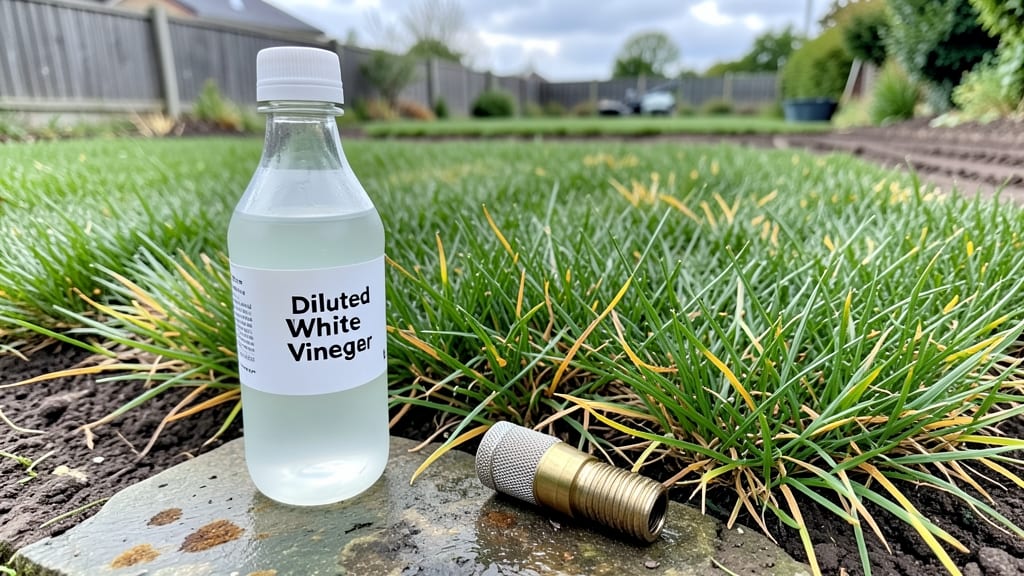
Learn how to prevent dog pee spots in grass before your lawn turns into a patchwork of dead spots faster than you can say "potty break." 🌱 The good news? A simple vinegar rinse can reverse the damage in minutes—no harsh chemicals needed.
I’ve saved my yard from becoming a dog-pee desert by mastering this trick after my golden retriever turned my front yard into a crime scene.
The secret lies in diluting white vinegar with water (1:1 ratio) and applying it immediately after your pup does their business. This neutralizes the ammonia in urine before it burns the grass, and the acidity helps break down existing brown patches.
For stubborn spots, reapply weekly until the grass regrows—usually within 2-3 weeks of consistent care.
You’ll notice the grass turning vibrant green again as the vinegar rinse restores balance to the soil. The best part? It’s pet-safe once dry, so no need to worry about your dog wandering back onto treated areas.
Pair this with a dog-friendly grass mix like tall fescue or Kentucky bluegrass, which tolerate urine better than delicate turf.
For long-term results, water deeply after each rinse to help the grass recover faster. And here’s the kicker: this method works for any lawn size, whether you’ve got a small backyard or a sprawling yard. Once you see the difference, you’ll wonder why you didn’t try it sooner!
📚 In This Guide
- What you need
- Instructions
- Tips and common mistakes
- Wrapping up and next steps
What you need
- ● White vinegar: 1 gallon (or 3.8 liters) – Choose plain, undiluted white vinegar (5% acetic acid) for best results.
- ● Water: 1 gallon (or 3.8 liters) – Use clean, fresh water (rainwater or tap water works).
- ● Spray bottle or garden sprayer: 1 – Look for a 1-2 gallon capacity sprayer for larger areas.
- ● Garden hose with nozzle: 1 – For rinsing after treatment.
- ○ Gloves (optional but recommended): 1 pair – Vinegar can be harsh on skin for some folks!
- ● Baking soda: 1 cup – Mix with water to create a paste for stubborn stains (apply, let sit 10 mins, then rinse).
- ● Dish soap (mild):strong> 1-2 tbsp – Adds extra cleaning power to the vinegar-water mix.
- ● Garden rake or stiff brush: 1 – Helps scrub deep-set stains before spraying.
- ● Pet-safe lawn fertilizer: 1 bag – Restore grass health after treatment (apply after lawn dries).
- ● Pick a sunny day – Vinegar works best when applied in daylight (avoid freezing temps).
- ● Test a small area first – Vinegar can bleach some grass types; spot-test in an inconspicuous patch.
- ● Keep pets/kids away – Wait 24 hours for the lawn to dry before letting them back on it.
Step-by-Step guide to preventing dog pee spots in grass
Here's the simple system I use to keep lawns lush and free of yellow patches.
💧 Step 1: Rinse Immediately After Each Pee
As soon as your dog finishes, grab your hose and rinse the area with a gentle stream of water for about 10-15 seconds. The key is to dilute the urine before it soaks into the soil. I keep a hose nearby and train my dog to pee in the same spot so I can rinse right away—this prevents the ammonia buildup that kills grass.
Don't wait even a few minutes. The longer urine sits, the deeper it penetrates and the harder it is to remove. You'll notice the grass stays green immediately after rinsing, which tells you the damage hasn't set in yet.
☀️ Step 2: Apply Vinegar Rinse Weekly
Mix 1 gallon of white vinegar with 1 gallon of water in a spray bottle or watering can. After rinsing fresh pee, spray this solution directly on the affected area. The vinegar neutralizes the ammonia and helps restore the grass's natural pH balance. I apply this every 7 days during active dog use seasons.
Wait about 30 minutes after spraying before watering again. You'll see the grass turn slightly darker green within a day—that's your sign the treatment is working. For larger areas, use a 1:1 vinegar-to-water ratio applied with a hose-end sprayer for even coverage.
🌱 Step 3: Fertilize with Dog-Friendly Grass Seed
After 4-6 weeks of consistent care, overseed the affected areas with dog-friendly grass seed like Kentucky bluegrass or perennial ryegrass. These varieties tolerate urine better than others. Mix 1 pound of seed with 10 square feet of area, then lightly rake in the seed.
Keep the soil moist for the first 2 weeks after seeding—this helps the new grass establish roots before your dog pees again. You'll notice the new growth filling in bare spots within 3-4 weeks, making the lawn look uniform once more.
✂️ Step 4: Train Your Dog to Pee in Designated Spots
Choose a corner of your yard that gets partial shade and has sandy soil (it drains better). Train your dog to pee only in this area by praising them when they go there. I use a small flag or marker to show the spot and reinforce the habit daily.
Once your dog consistently uses the spot, you'll only need to rinse once or twice daily instead of multiple times across the lawn. This targeted approach saves time and keeps most of your grass healthy without constant treatments.
🪴 Step 5: Adjust Watering and Mowing Habits
Water your lawn deeply 2-3 times per week instead of daily light watering. Deep watering helps grass roots grow stronger and recover faster from urine damage. Set your sprinkler for 30-45 minutes per session to ensure moisture reaches 6 inches deep.
Mow your lawn regularly but never cut more than one-third of the grass blade at a time. Taller grass (about 3-4 inches) shades the roots and protects them from urine burn. You'll see a thicker lawn that recovers faster from pee spots over time.
Tips & tricks for perfect lawn care after dog pee
Here's what nobody tells you about keeping your lawn vibrant after your furry friend does their business.
Timing is Everything: In Step 1, those 10-15 seconds of rinsing might seem quick, but they're critical. The ammonia in dog urine burns grass within minutes, so don't linger—immediate action is key. I've seen spots that were rinsed within 30 seconds recover completely, while others left for even 2 minutes showed lasting damage. Keep a hose attached to a quick-connect nozzle near your dog's favorite spots for instant access.
Vinegar Application Technique: When you're applying the vinegar solution in Step 2, focus on the exact spot where your dog pees—not the surrounding area. The 1:1 ratio works best when concentrated, so don't dilute it further. I use a spray bottle for small areas and a hose-end sprayer for larger ones, always keeping the nozzle about 6 inches from the grass to ensure even coverage. The vinegar smell disappears quickly, but the grass will show visible improvement within 24 hours.
Dog Training Shortcut: For Step 4, if your dog doesn't naturally gravitate to one spot, try using a small pile of their favorite treats in the designated area. Over time, they'll associate that spot with rewards. I've also found that dogs often return to the same spot if they find it comfortable—soft ground or partial shade works best. This targeted approach means you'll only need to rinse once or twice daily instead of constantly chasing your dog around the yard.
Watering Wisdom: In Step 5, those 30-45 minutes of deep watering might seem like a lot, but it's essential. Set a timer so you don't forget—consistent deep watering prevents urine from concentrating in the soil. I water my lawn in the early morning to reduce evaporation and give the grass time to absorb moisture before the heat of the day. This routine helps the grass recover faster from any residual damage.
Pro Tips for Prevent Dog Pee Spots In Grass
- Here's what nobody tells you about keeping your lawn vibrant after your furry friend does their business.
- Timing is Everything: In Step 1, those 10-15 seconds of rinsing might seem quick, but they're critical.
- Vinegar Application Technique: When you're applying the vinegar solution in Step 2, focus on the exact spot where your dog pees—not the surrounding area.
Frequently asked questions
Got questions about keeping your lawn fresh and free from dog pee spots?
Here are some common concerns—and quick fixes—to help you maintain a vibrant yard.
Why does dog pee turn grass yellow, and can I stop it?
Dog urine contains high levels of nitrogen, which burns grass and creates yellow patches. The best way to prevent it is by diluting the urine (encourage your dog to drink more water) and rinsing the area with water or a vinegar solution after they go. Consistency is key—over time, your lawn will recover!
How often should I rinse dog pee spots to prevent damage?
For small yards, rinse the affected area immediately after your dog pees, especially in hot or dry climates. If your dog is a frequent offender, aim for 2-3 times daily—morning, midday, and evening. A quick spray with water or vinegar (1:1 ratio) works wonders. Pro tip: Train your dog to pee in a designated "potty spot" to minimize cleanup!
Will vinegar harm my grass if used too often?
Vinegar is safe in moderation—a 1:1 vinegar-water mix is gentle enough for most grass types. However, avoid overusing it, as the acidity can weaken soil pH over time. Stick to weekly rinses for stubborn spots, and always rinse with plain water afterward to balance the pH. Bonus: It also deters pests naturally!
What if the yellow spot won’t go away? Can I reseed?
If the damage is severe, overseed the bare patch in spring or fall for best results. Before reseeding, loosen the soil, apply a thin layer of compost, and water deeply. Choose a grass seed blend tolerant to urine, like tall fescue or Kentucky bluegrass. Patience is key—new grass may take 2-3 weeks to establish.
Are there natural alternatives to vinegar for dog pee spots?
Yes! Try these dog-safe options:
- Water + Baking Soda: Mix 1 tbsp baking soda per gallon of water to neutralize odors.
- Hydrogen Peroxide (3%): Dilute 1:3 with water—it whitens stains and disinfects.
- Corn Gluten Meal: Sprinkle lightly on the spot to prevent regrowth of urine-loving weeds.
Wrapping up and next steps
Say goodbye to unsightly dog pee spots for good! 🌿 With the right tools—like a simple vinegar rinse—and consistent care, your lawn can stay fresh and vibrant. Remember, prevention is key, so train your pup, dilute urine spots, and water regularly to keep your grass healthy.
Ready to take action? Start by testing a small patch of your lawn with vinegar to ensure it works for your grass type. Then, put these tips into practice and enjoy a lush, stain-free yard in no time!