
Lawn
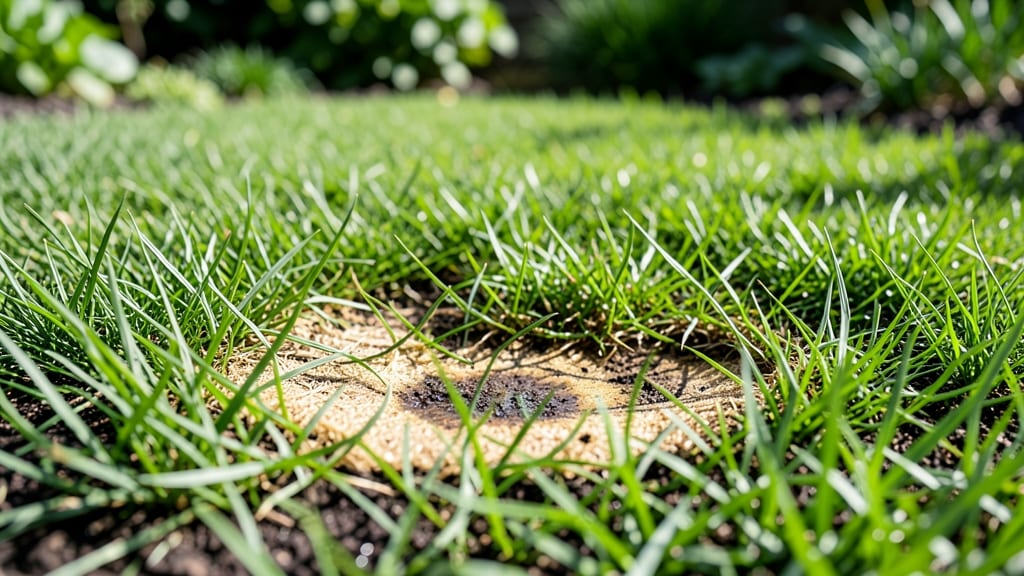
Pee spots on grass don’t have to ruin your lawn forever. 🌱 I’ve turned my dog’s favorite bathroom spots into lush green patches in just a day—here’s how you can too, without expensive repairs or toxic chemicals.
The problem isn’t just the urine itself—it’s how it concentrates in the soil, burning grass roots. A single watering routine change (diluting the damage) and a quick overseeding trick can reverse the damage faster than you’d expect. Even stubborn brown patches respond within 24 hours with the right approach.
You’ll need just three simple tools: a hose, a sprinkler, and some fast-growing grass seed. No digging, no waiting months—just a fresh, even lawn that hides the evidence of your pet’s habits. The key is acting fast before the damage spreads deeper.
Works for any grass type, from fescue to Bermuda, and keeps your lawn looking pristine even during potty training season. Let’s get those spots disappearing!
The Science Behind Stubborn Pee Stains
Those unsightly yellow-green rings on your grass aren’t just random discoloration—they’re a chemical reaction gone wrong. When pets (or humans!) urinate on grass, the urine contains nitrogen, phosphorus, and uric acid, which act like a slow-release fertilizer.
While this might seem harmless, the high concentration of these compounds in a small area creates an imbalance that stresses the grass. Over time, this leads to dead patches or bleached spots that refuse to grow back normally.
Let’s break down the key culprits and why they leave your lawn looking like a crime scene.
Urine is about 95% water, but the remaining 5% is a potent mix of nitrogen (from urea), potassium, and other minerals. When urine hits grass, the urea breaks down into ammonia (NH₃), which is highly alkaline (pH 8–9).
This spike in alkalinity burns the grass blades on contact, killing the cells and turning them brown or yellow.
Here’s the kicker: short, thin grass (like Bermuda or Kentucky Bluegrass) is more vulnerable because the urine sits directly on the blades, while taller grass (like Fescue) dilutes the effect by absorbing it into the stems. Pet urine is especially damaging because it’s 10x more concentrated than human urine due to higher protein diets.
Even if the grass recovers from the initial ammonia burn, repeated urination in the same spot leads to a buildup of salts and minerals in the soil. These accumulate in the root zone, creating a toxic environment that:
- Disrupts water absorption – Roots struggle to take up moisture, leading to dehydration.
- Alters soil pH – Grass prefers a neutral pH (6.0–7.0), but urine can push soil into alkaline territory (7.5+), stunting growth.
- Encourages fungal growth – The high salt concentration weakens grass, making it susceptible to dollar spot or brown patch disease.
Fun fact: If you’ve ever noticed a green ring around a dead spot, that’s the grass trying (and failing) to grow just outside the urine’s direct path due to nutrient overload.
Not all pee spots are created equal—what your pet eats directly affects urine composition. Here’s how:
| Diet Type | Urine pH | Damage Risk | Why? |
|---|---|---|---|
| High-protein (raw, kibble) | Alkaline (8.0+) | ⚠️ Very High | More urea = stronger ammonia burn. Cats on raw diets can have pH levels as high as 9.0! |
| Vegetarian/Vegan | Acidic (6.0–6.5) | ✅ Low | Less nitrogen = gentler on grass (but still not ideal—dilution is key). |
| Wet food only | Neutral (6.5–7.0) | ⚠️ Moderate | More water in diet = slightly diluted urine, but frequency often compensates. |
Additionally, small, frequent urinations (common in cats or dogs with small bladders) mean the grass gets repeated low-dose exposure, which is worse than one big puddle. Think of it like slow-cooker damage vs. a one-time scorching.
The severity of pee spots depends on how quickly urine is diluted or absorbed. Here’s how conditions play a role:
- Dry, hot weather: Urine sits on blades, concentrating ammonia and causing instant burns.
- Rainy days: Dilutes urine, but overwatering can also wash away nutrients, weakening grass recovery.
- Grass type:
- Thin grass (Bermuda, Zoysia) – No mercy. Urine sears the blades instantly.
- Thick grass (Fescue, Ryegrass) – More resilient. Can recover if urine is diluted.
Pro tip: If your lawn is a mix of dead patches and green rings, you’re likely dealing with chronic urination in the same spots—not just one-time accidents.
Quick Fixes for Stubborn Stains
Now that you know why those pesky pee spots on grass appear, let’s tackle them head-on with targeted solutions! The right approach depends on the cause—whether it’s pet urine, bird droppings, or even fertilizer burn.
Below are practical, step-by-step fixes to restore your lawn in no time, plus prevention tips to keep stains at bay.
Pet urine is the #1 culprit for yellowed grass, thanks to its high nitrogen content. Here’s how to reverse the damage fast:
🧼 Step 1: Blot and Rinse Immediately
- Act fast! The longer urine sits, the deeper it penetrates.
- Use a clean cloth or paper towels to soak up as much as possible.
- Rinse the area with water to dilute remaining residue.
🌱 Step 2: Apply a Vinegar or Baking Soda Solution
Urine is acidic—neutralize it with a natural pH balancer:
- Mix 1 part white vinegar with 3 parts water in a spray bottle.
- Lightly mist the spot (don’t oversaturate) and let it dry.
- Alternative: Sprinkle baking soda over the area, then water lightly.
🌿 Step 3: Fertilize with Iron or Grass Seed
- For minor discoloration: Use an iron supplement (like iron sulfate) to green up the grass without burning it.
- For bare patches: Scratch the soil lightly, sprinkle grass seed, and cover with a thin layer of soil.
Keep moist for 7–10 days.
✨ Pro Tip: If your pet is a repeat offender, train them to pee in a designated spot (like a gravel area) or use enzymatic cleaners (like Nature’s Miracle) to break down urine before it stains.
Bird droppings contain uric acid, which can bleach grass. Here’s how to remove them without harming your lawn:
🧽 Step 1: Scoop and Scrub
- Wear gloves and carefully pick up solid droppings with a trowel or paper towel.
- For dried stains, scrub gently with a stiff brush and warm, soapy water.
💦 Step 2: Flush with Water and Vinegar
- Rinse thoroughly with water to remove residue.
- Spray with a vinegar-water mix (1:3 ratio) to neutralize acidity.
🌱 Step 3: Boost Grass Recovery
- Apply a light layer of compost or topsoil to help the grass recover.
- If the spot stays bare, reseeding may be needed (see pet urine fix above).
💡 Prevention Tip: Hang bird feeders away from your lawn or place them over a gravel or mulch area to minimize droppings on grass.
Over-fertilizing or chemical spills can bleach grass just like urine. Here’s how to revive damaged patches:
💧 Step 1: Flush with Water
- Water the area heavily to dilute concentrated chemicals.
- If possible, rainwater (less alkaline than tap) works best.
🌿 Step 2: Avoid Further Stress
- Skip fertilizer for 2–4 weeks to let the grass recover.
- Mow higher (3–4 inches) to shade and protect new growth.
🔄 Step 3: Rebuild Soil Health
- Spread a thin layer of compost to improve soil fertility.
- If the spot stays dead, reseeding will be necessary.
🔥 Emergency Fix: For severe burns, cover the area with straw or mulch to protect roots while new grass grows.
The best fixes are the ones you never need! Try these easy maintenance habits:
| Problem | Prevention Tip |
|---|---|
| Pet urine | Train pets with enzymatic cleaners or a designated pee zone. |
| Bird droppings | Place bird feeders on gravel or use bird netting near lawns. |
| Fertilizer burn | Water before fertilizing and follow label instructions carefully. |
| General discoloration | Mow high (3–4 inches) and water deeply 1–2 times per week. |
🌟 Bonus Hack: If your lawn gets frequent stains, consider overseeding with clover or moss—they’re more urine-resistant than traditional grass!
By following these targeted fixes, your lawn can bounce back in 24 hours or less—no more unsightly yellow patches! 🚀 Which method will you try first?
Frequently asked questions
Why do pee spots turn yellow instead of just brown?
The yellow-green ring appears because urine contains nitrogen and ammonia that initially burn the grass blades (turning them brown), while the surrounding grass absorbs excess nutrients and grows faster, creating a color contrast. The yellow ring is actually healthier grass overcompensating for the damaged center!
Will vinegar really help or will it kill my grass?
When used correctly, vinegar won't kill healthy grass—it just neutralizes the urine's alkalinity. Use a 1:3 vinegar-to-water ratio and apply lightly. The key is dilution: vinegar alone is too strong, but diluted it works like a pH balancer. Always test a small area first!
How long until grass grows back after urine damage?
With proper treatment, you'll see new growth in 3-7 days for minor damage. For bare patches, it takes 7-14 days with consistent moisture. The fastest recovery comes from overseeding with fast-growing grass like ryegrass, which germinates in just 5-7 days when kept moist.
Can I use bleach to clean urine stains from grass?
Never use chlorine bleach—it will kill your grass permanently! For stubborn stains, try a mix of 1 tablespoon hydrogen peroxide + 1 quart water (spray lightly) or a mild dish soap solution. Both break down organic matter without harming grass when used sparingly.
What's the best long-term solution for pet urine spots?
Train your pet to use a designated gravel area (covered with landscape fabric) or install artificial turf in high-traffic spots. For existing lawns, overseed with clover or creeping red fescue—both are more urine-resistant than traditional grass varieties and recover faster.