
Lawn
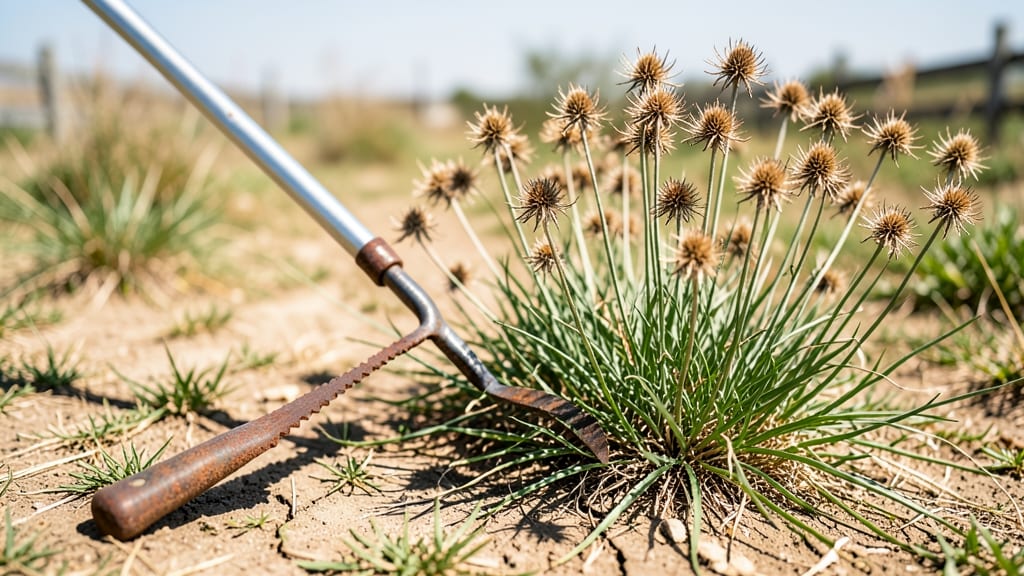
Grass burrs turning your lawn into a prickly nightmare? 🌱 I’ve wrestled with these spiky invaders for years, and I’ll share the foolproof methods that finally cleared my yard—without chemicals or backbreaking work.
The key is timing and the right tools: a sturdy rake, a weed puller, and a little elbow grease. I’ve tried everything from digging to smothering, and some methods work better than others—especially when burrs keep coming back.
You’ll learn which tricks actually work and which are just busywork. By the end, you’ll have a smooth, burr-free lawn that’s safe for kids and pets to run on. The secret? A mix of manual removal, smothering, and a few preventive habits that keep them from returning.
This works for any yard size, from small patches to full lawns. Let’s get those spiky pests gone for good!
Why it happens
Grass burrs—those prickly, spiky little invaders—aren’t just a nuisance; they’re a biological puzzle. Understanding why they pop up in your yard is the first step to kicking them to the curb for good. Let’s dig into the science (and the sneaky strategies) behind their stubborn presence.
🌱 Seed Spread by Wind and Wildlife
Most grass burrs, like Cenchrus echinatus (commonly known as sandbur), are wind-dispersed seeds. These tiny, spiked seed heads hitch rides on breezes, landing in your lawn like unwanted hitchhikers. But wind isn’t the only culprit—birds, squirrels, and even your dog’s paws can unwittingly transport them across your yard.
Once they land in warm, sun-drenched soil, they germinate quickly, turning your lawn into a burr battlefield.
Why it’s worse: Mowed grass clippings can catapult burr seeds farther than you’d expect. If your neighbor’s yard is infested, their clippings might be seeding your lawn without you even realizing it.
🌞 Poor Soil Conditions Invite Them In
Burrs thrive in compacted, nutrient-poor, or overly dry soil. If your lawn has bare patches, thin grass, or areas where weeds already dominate, burrs see it as an open invitation.
They germinate faster in disturbed soil—think construction zones, freshly tilled beds, or even foot traffic hotspots (like pet paths or play areas).
The science: Burr seeds contain hard seed coats that resist breaking down, allowing them to lie dormant for years until conditions are just right. Once they sense warmth and moisture, they sprout aggressively, outcompeting weak grass.
Pro tip: 💡 If your soil is sandy or lacks organic matter, burrs will love it—sandy soil drains too quickly, leaving seeds exposed to sunlight, which triggers germination.
🌿 Lawn Neglect Creates the Perfect Home
Burrs don’t just appear—they take advantage of weak spots. If you’ve been skipping mowing, watering inconsistently, or avoiding fertilization, your lawn is basically sending out a “Welcome” sign. Here’s how neglect helps them win:
- Overgrown grass: Tall grass shades the soil, keeping it cool and moist—ideal for burr seeds to germinate without competition.
- Irregular watering: Drought-stressed grass leaves gaps, while overwatered areas create soggy pockets where burrs thrive.
- No aeration: Compacted soil prevents grass roots from accessing nutrients, making your lawn vulnerable to invaders.
Fun fact: Burrs often appear in spring and fall because these are the times when soil temperatures and moisture levels are just right for germination.
🔄 Human Activity Accelerates the Problem
You might not realize it, but your daily habits could be spreading burrs faster than you can say “ouch.” Here’s how:
| Activity | How It Spreads Burrs |
|---|---|
| Mowing | Burr seeds get catapulted onto neighboring lawns via clippings or equipment. |
| Raking | Disturbs soil, exposing dormant seeds to sunlight and triggering germination. |
| Walking/Pets | Seeds stick to shoes, paws, and fur, then get dropped elsewhere. |
| Composting | If you compost grass clippings with burrs, you’re unwittingly fertilizing your lawn with more seeds. |
Key takeaway: Burrs are opportunistic. The more you disturb the soil or move around your yard, the more chances they have to take root.
Tackle Grass Burrs Head-On
Now that you know why those pesky grass burrs invade your yard, it’s time to roll up your sleeves and reclaim your smooth, burr-free lawn. The good news?
With the right approach, you can eliminate them effectively—whether they’re clinging to your grass, stuck to your shoes, or popping up like unwanted weeds. Below, we’ve mapped out practical solutions tailored to the root causes, plus prevention tips to keep your yard burr-free for good.
Grass burrs thrive where grass is weak, thin, or struggling to compete. If your lawn has bare spots or uneven growth, burrs will exploit the opportunity.
🌱 Step 1: Overseed Thin or Bald Spots
- Why? Dense grass outcompetes burrs by filling gaps before they take hold.
- How?
- Rake the area to loosen soil and remove debris.
- Spread high-quality grass seed (choose a type suited to your climate, like tall fescue or Bermuda grass).
- Lightly cover with soil or straw to protect seeds.
- Water gently but consistently for 10–14 days until germination.
- Pro Tip: 💡 Use a lawn roller after seeding to ensure good seed-to-soil contact.
🔪 Step 2: Dethatch if Needed
- Why? A thick thatch layer (dead grass buildup) smothers roots and invites burrs.
- How?
- Rent a dethatching rake or use a vertical mower attachment.
- Work in small sections, raking only ½ inch deep to avoid damaging roots.
- Bag the debris—don’t leave it on the lawn.
- Pro Tip: ⏰ Do this in early fall or spring when grass is actively growing.
🌡️ Step 3: Adjust Your Watering
- Why? Overwatering or irregular watering stresses grass, making it vulnerable.
- How?
- Water deeply 1–2 times per week (early morning is best).
- Aim for 1–1.5 inches per week (check with a rain gauge).
- Avoid shallow, frequent watering—this encourages weak roots.
Burrs like nutgrass, sandburs, or crabgrass often hitchhike on weeds. If your yard is a buffet for wild grasses, it’s time to interrupt the party.
👨🍳 Step 1: Manual Removal (The Old-School Way)
- Why? Pulling burrs early prevents seed spread.
- How?
- Grab and twist: Use gloves and grasp the burr at the base, then pull firmly upward.
- For stubborn burrs: Soak the area with water first—this softens the roots.
- Dispose properly: Seal burrs in a trash bag (don’t compost—seeds can survive!).
- Pro Tip: ✨ Work on a dry, sunny day—soil is easier to dig when dry.
🔪 Step 2: Pre-Emergent Herbicide (For Prevention)
- Why? Stops burr seeds from sprouting in the first place.
- How?
- Apply a pre-emergent herbicide (like pendimethalin or prodiamine) in early spring (before burrs germinate).
- Follow label instructions—reapply every 3–6 months if needed.
- Avoid post-emergent sprays once burrs are already up (they won’t kill established plants).
- Pro Tip: 🎯 Spot-treat instead of blanketing your whole lawn to save money and protect beneficial insects.
🌱 Step 3: Mulch Bare Soil - Why? Bare soil = burr paradise.
Mulching blocks sunlight and seeds. - How? - Use straw, wood chips, or landscape fabric in garden beds or high-risk areas. - Keep mulch 2–3 inches thick but not touching grass (to avoid suffocating it). - Refresh mulch seasonally to maintain coverage.
If burrs are deep-rooted, widespread, or returning yearly, you may need a stronger approach.
🔥 Step 1: Vinegar or Boiling Water (Organic Kill Shot)
- Why? Natural, non-toxic way to kill burrs without chemicals.
- How?
- Vinegar method:
- Mix 1 gallon white vinegar + 1 cup dish soap + 1 cup salt.
- Spray directly on burrs (avoid healthy grass).
- Reapply every 2–3 days until dead (takes 1–2 weeks).
- Boiling water method:
- Pour boiling water directly on the base of burrs.
- Best for small, isolated patches.
- Vinegar method:
- Pro Tip: 🌡️ Do this on a warm, sunny day—vinegar works best when plants are stressed.
💥 Step 2: Post-Emergent Herbicide (For Established Burrs)
- Why? If manual removal isn’t cutting it, a targeted herbicide can finish the job.
- How?
- Choose a selective herbicide like glyphosate (Roundup) or 2,4-D (for broadleaf burrs).
- Spot-treat only the burrs—avoid healthy grass.
- Reapply 7–10 days later if regrowth appears.
- Pro Tip: ⚠️ Wear gloves and a mask—herbicides can irritate skin and lungs.
🌱 Step 3: Solarization (For Extreme Cases)
- Why? Kills burrs and seeds underground using the sun’s heat.
- How?
- Clear the area of debris.
- Lay clear plastic sheeting tightly over the burr-infested spot.
- Secure edges with rocks or soil.
- Leave for 4–6 weeks in hot, sunny weather (temperatures should reach 100°F+ under the plastic).
- Remove plastic, till the soil, and reseed.
- Pro Tip: ✨ Best for small, contained areas—not practical for large lawns.
An ounce of prevention is worth a pound of pulling. Once you’ve banished burrs, lock them out with these habits:
- 🌱 Mow High: Keep grass 3–4 inches tall—taller grass shades out burr seeds.
- 🗑️ Inspect & Clean: Check shoes, pets, and tools for hitchhiking burrs before bringing them inside.
- 🚫 Avoid Over-Fertilizing: Too much nitrogen = soft, weak grass = burr buffet.
- 🌿 Plant Ground Covers: Use clover or creeping thyme in high-traffic areas to crowd out burrs naturally.
- 📅 Stay Vigilant: Pull new burrs immediately—don’t let them go to seed!
By combining manual removal, smart lawn care, and preventive measures, you’ll turn your yard from a burr battleground into a lush, smooth retreat. No more painful steps, no more stuck socks—just happy feet and happy grass! 😊
Frequently asked questions
What’s the best time of year to remove grass burrs?
Target burrs in late spring or early summer when they’re actively growing but haven’t yet produced seeds. This is when they’re easiest to pull by hand. Avoid fall—burrs spread seeds aggressively in cooler weather, making removal harder.
Can I use a weed eater to remove grass burrs?
Not effectively! A weed eater simply cuts burrs at the top, leaving roots intact and spreading seeds when they fall. Instead, use a sturdy rake or weed puller to remove the entire plant. For stubborn patches, hand-pulling works best.
Will vinegar really kill grass burrs without harming my lawn?
Vinegar can work, but it’s selective—only spray directly on burrs and avoid healthy grass. Use a 1:1 vinegar-water mix with 1 tablespoon dish soap for better adhesion. Test a small area first, as concentrated vinegar may damage grass blades.
Why do grass burrs keep coming back even after I remove them?
Burrs have hard, dormant seeds that can lie in soil for years. If you don’t address the root cause—like thin grass or compacted soil—they’ll return. Fix the issue first: overseed bare spots, improve soil health, and use pre-emergent herbicides in spring.
Are grass burrs harmful to pets or kids?
Yes! Burrs can stick to fur, shoes, or skin, causing discomfort or even infections if they lodge in paws or feet. Keep your yard burr-free by pulling them immediately and inspecting pets after outdoor play. A soft-bristle brush helps remove stuck burrs from fur.