
How To
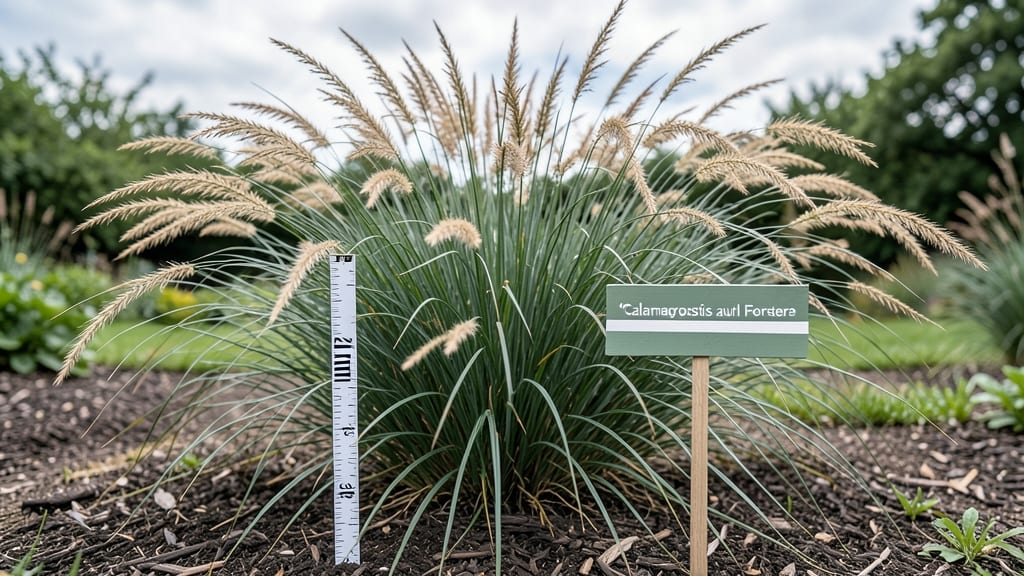
Wondering how tall does feather reed grass grow, you’ll find it reaching heights of 4 to 6 feet at maturity—towering over most garden plants with its graceful, airy plumes 🌿.
If you're dreaming of adding elegant, low-maintenance ornamental grass to your garden but wondering how much space to allocate, feather reed grass (Calamagrostis acutiflora) could be your perfect match—when you know its growth habits.
This hardy grass isn’t just tall; it’s a game-changer for texture and movement in borders, especially in USDA Zone 6a or warmer climates where it thrives. But height isn’t the only factor—soil, sunlight, and pruning all play a role in whether it reaches its full potential or stays more compact.
Below, I’ll break down exactly how tall it grows by variety, how to control its size in small spaces, and the simple care tricks that keep it looking its best year after year.


Feather reed grass height by mature growth stages and varieties
Feather reed grass (Calamagrostis acutiflora) is one of the most popular ornamental grasses for its striking plumes and architectural form. But how tall does it grow?
The answer depends on the variety, age, and growing conditions. Understanding these factors ensures you allocate the right space and meet its needs for optimal growth.
In its first year, feather reed grass stays relatively short, typically reaching just 1-2 feet. By year two, it grows faster, climbing to 2-3 feet.
However, it’s in years three to five that you’ll see its full potential, with mature plants often 4-6 feet tall—though some varieties can exceed 7 feet in ideal conditions.
Here’s a quick breakdown of what to expect at each growth stage, including how popular cultivars compare:
| Variety | Mature Height (ft) | Year 1 Height (ft) | Year 2 Height (ft) | Climate Notes |
|---|---|---|---|---|
| 'Karl Foerster' | 5-6 | 1-2 | 2-3 | Cold-hardy; thrives in zones 4-9 |
| 'Overdam' | 3-4 | 1-1.5 | 1.5-2.5 | Compact; ideal for small gardens |
| 'Ravenna' | 4-5 | 1-2 | 2-3 | Heat-tolerant; zones 5-10 |
| 'Acuta' | 6-8 | 1.5-2.5 | 3-4 | Tallest variety; needs space |
| 'Stricta' | 3-4 | 1-1.5 | 1.5-2.5 | Narrow form; great for borders |
'Karl Foerster' is the most widely grown variety, known for its upright growth habit and arching plumes. It’s a favorite for gardeners in USDA zones 4-9, where it can reach 5-6 feet tall with proper care.
If you’re in a warmer climate, like zones 8-10, varieties like 'Ravenna' or 'Acuta' may grow even taller, sometimes exceeding 7 feet.
For smaller gardens, 'Overdam' and 'Stricta' are excellent choices. These dwarf varieties typically max out at 3-4 feet, making them perfect for containers or tight spaces.
They also require less pruning, which is a bonus for busy gardeners. Just ensure they receive full sun exposure to maintain their compact form.
One common misconception is that feather reed grass grows too quickly in its first year. While it does put on noticeable growth, it’s essential to avoid over-fertilizing, as this can lead to floppy stems and weaker structure.
A light application of balanced fertilizer in early spring is usually sufficient to encourage steady, upright growth.
If you’re planting feather reed grass near a fence or wall, consider its mature height to avoid blocking views or sunlight for other plants. For example, 'Acuta' can cast significant shade, so place it where it won’t overshadow sun-loving perennials or annuals.
In contrast, 'Stricta' is narrower and casts minimal shade, making it ideal for border plantings.
Another factor influencing height is soil drainage. Feather reed grass hates soggy soil and may grow stunted or leggy if planted in areas with poor drainage. Amend heavy clay soil with compost or sand to improve aeration and encourage stronger, healthier growth.
Well-draining soil also reduces the risk of root rot, which can weaken the plant and affect its height potential.
For gardeners in cooler climates, like zones 3-5, feather reed grass may take an extra year to reach its full height due to slower growth in shorter growing seasons. However, once established, it’s highly cold-hardy and can withstand temperatures as low as -30°F. In
How climate zones affect feather reed grass height and spread
Understanding how USDA hardiness zones influence feather reed grass growth is key to planning your garden layout. In colder northern zones (3-6), this ornamental grass tends to grow more compact and bushy due to winter dormancy, while southern zones (7-9) often produce taller, broader specimens with continuous growth.
These differences directly impact how much space you'll need to allocate for this stunning ornamental grass.
The Karl Foerster variety, for example, typically reaches 4-6 feet in warmer climates but may stay closer to 3-4 feet in colder regions. Meanwhile, heat-tolerant cultivars like 'Overdam' can spread wider in zone 8 and above, creating a lush, 3-foot-wide clump.
Knowing your USDA zone helps you predict whether your feather reed grass will grow vertically or horizontally.
Cold-hardy varieties in zones 3-5 often enter winter dormancy, which can temporarily stunt growth but results in denser foliage when spring arrives. In contrast, southern climates (zones 7-9) provide year-round growing conditions, allowing feather reed grass to reach its full mature height more quickly. This means your garden design should account for these seasonal variations.
| USDA Zone | Avg. Height | Spread Width | Growth Pattern | Winter Dormancy |
|---|---|---|---|---|
| Zones 3-5 | 3-4 ft | 2-3 ft | Compact, bushy | Yes (stunted growth) |
| Zones 6-7 | 4-5 ft | 2.5-3.5 ft | Moderate spread | Partial (mild winters) |
| Zones 8-9 | 5-6 ft | 3-4 ft | Tall, broad | None (year-round growth) |
In zone 3-5 gardens, feather reed grass may take 2-3 years to reach its mature height due to slower growth in cooler temperatures. However, the root system becomes more established during these years, ensuring long-term resilience.
If you're in zone 8 or 9, expect faster vertical growth but also wider spread, which may require regular pruning to maintain your desired shape.
For smaller gardens, choosing a cold-hardy cultivar like 'Ravenna' can be ideal, as it stays under 4 feet tall even in warmer zones. Alternatively, if you're in a warmer climate, consider Karl Foerster but plan for its potential 6-foot height and 3-foot spread.
Always check the USDA zone recommendations for specific varieties before planting.
Another factor to consider is soil drainage. In northern zones, poorly drained soil can cause root rot during winter thaw, while southern zones may require extra watering during droughts to prevent height stunting. Amending your soil with organic matter ensures consistent growth regardless of your climate zone.
By accounting for these climate-specific growth patterns, you can create a stunning ornamental grass display that thrives year-round.
Whether you're in a cold northern climate or a warm southern region, feather reed grass offers versatile beauty with minimal maintenance—once you understand how to adapt its care to your USDA zone.