
Plants
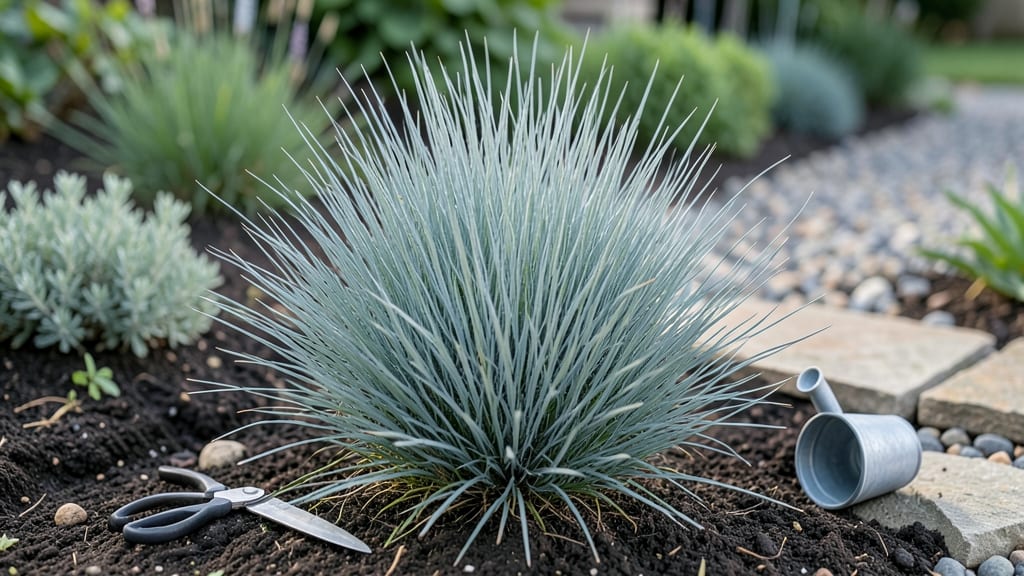
The Karl Foerster grass growth rate is impressive—it shoots up 1-2 feet in its first year before hitting 3-4 feet at maturity, earning its reputation as a speedy textural star for gardens.
If you're looking for a hardy, fast-spreading ornamental grass that adds texture and movement to your garden, Karl Foerster grass is a top choice—but understanding its growth rate by season is key to maximizing its impact.
This clump-forming perennial thrives in full sun and well-draining soil, shooting up quickly in spring and summer while slowing in fall and winter. The secret to its rapid growth? Consistent moisture and the right spacing—too close, and you’ll get a tangled mess instead of the tidy 3-foot-tall specimen you envisioned.
In this guide, I’ll break down the exact height timeline by season, how to accelerate growth with simple care tips, and why some gardeners see faster results than others. Ready to transform your garden with this low-maintenance powerhouse?


Karl Foerster grass growth rate by season: height timeline and spread speed
If you've planted Karl Foerster grass in your garden, you're likely wondering how quickly it will reach its stunning 3-4 foot mature height and spread across your landscape. This ornamental grass is known for its fast growth rate and dramatic arching plumes, but its progress varies dramatically by season.
Understanding these patterns helps you plan for its maximum impact while preventing unwanted spread.
From spring's rapid shoot emergence to summer's aggressive height gain, each season brings distinct growth milestones. In fall and winter, the grass enters dormancy, but even during these periods, its roots continue developing.
Let's break down what to expect each season, including height increases, spread rates, and how your local climate zone can accelerate or slow its progress.
In spring, Karl Foerster grass kicks off its growth cycle with a burst of energy. New shoots emerge from the crown in early April, and within just 6-8 weeks, you'll see 1-2 feet of vertical growth.
This is also when the grass begins spreading aggressively, adding 6-12 inches of width if given ideal conditions. Soil temperature above 50°F triggers this rapid growth, so planting in USDA zones 5-9 gives it the best start.
Summer is when Karl Foerster grass truly shows its speed. With consistent sunlight and moderate watering, it can add another 2-3 feet in height while spreading 12-24 inches outward. The arching plumes develop fully during this time, creating that signature dramatic look.
In hotter climates, growth may slow slightly due to heat stress, but the grass remains drought-tolerant once established.
By late summer to early fall, growth begins to slow dramatically as the plant prepares for dormancy. You'll see minimal height increase (1-2 inches) and spread (3-6 inches) during this period.
This is the perfect time to prune back dead foliage to encourage neat regrowth in spring. In cooler regions, fall growth may continue slightly longer, but frost will eventually halt all above-ground activity.
Winter brings complete dormancy for Karl Foerster grass, but don't assume growth has stopped entirely. While the above-ground stalks die back, the root system continues developing, storing energy for next year's explosive spring growth.
In milder climates (zones 8-9), you might see minimal winter growth, but most gardeners in colder zones (5-7) will see full dormancy until spring.
For seedlings, expect a slower initial growth rate compared to established clumps. New plants may take 2 full years to reach mature height of 3-4 feet, while transplanted divisions can achieve this in just 1 growing season.
The key to accelerating growth is providing full sun exposure, well-draining soil, and consistent moisture during the first year.
One common misconception is that Karl Foerster grass grows too aggressively and requires constant division. While it does spread via rhizomes, its growth rate can be managed with proper spacing. Planting clumps 2-3 feet apart gives them room to fill
How to accelerate Karl Foerster grass growth: soil, water, and care tips
Karl Foerster grass is one of the fastest-growing ornamental grasses, but its growth rate can be even more impressive with the right care.
Whether you're planting new clumps or nurturing established plants, understanding the key factors will help you achieve 3-4 feet of height and a lush, full spread in just a few seasons. I’ve learned that soil quality, watering habits, and sunlight exposure are the foundation of rapid growth.
Many gardeners make the mistake of assuming this grass thrives in any condition, but poor soil drainage or inconsistent watering can slow its development significantly. For example, my first attempt at growing Karl Foerster in heavy clay soil resulted in stunted growth until I amended it with organic matter.
The difference was night and day once I corrected that oversight.
⚠️ callout warning ⚠️
Karl Foerster grass has moderate drought tolerance once established, but soggy soil leads to root rot. Water deeply once per week in spring/summer, then reduce to bi-weekly in fall. Always check soil moisture 2 inches down before watering—if it's damp, wait.
✅ Do: Water in early morning to prevent fungal risks.
❌ Avoid: Evening watering or letting water pool around the base.
To maximize growth, start with well-draining soil mixed with compost. Karl Foerster grass prefers slightly acidic to neutral soil (pH 6.0-7.0), and adding 1-2 inches of compost before planting gives it the nutrients it craves.
I recommend testing your soil first—my local extension office offers affordable kits, and the results helped me adjust my garden beds perfectly for this grass.
Sunlight is non-negotiable for fast growth. This grass demands 6+ hours of full sun daily, and I’ve seen clumps in partial shade grow at half the rate of those in open sunlight.
If your garden has limited sun, consider planting it near a south-facing wall or in a container where you can move it seasonally. Even an extra hour of morning sun makes a noticeable difference in growth speed.
Seasonal adjustments are key to maintaining momentum. In spring and early summer, apply a balanced fertilizer (10-10-10) every 4-6 weeks to fuel rapid growth. I skip fertilizing in late summer and fall to let the grass harden off before winter.
Pruning dead fronds in late winter (just before new growth emerges) also prevents energy drain and encourages thicker, faster regrowth.
For container growers, use a fast-draining mix with perlite or sand, and water more frequently (every 5-7 days). I’ve seen potted Karl Foerster grass grow 20% faster than in-ground plants because containers warm up quicker in spring.
Just ensure the pot has drainage holes—root-bound plants slow dramatically. With these tips, you’ll transform your garden into a dynamic display of this stunning grass in no time!