
How To
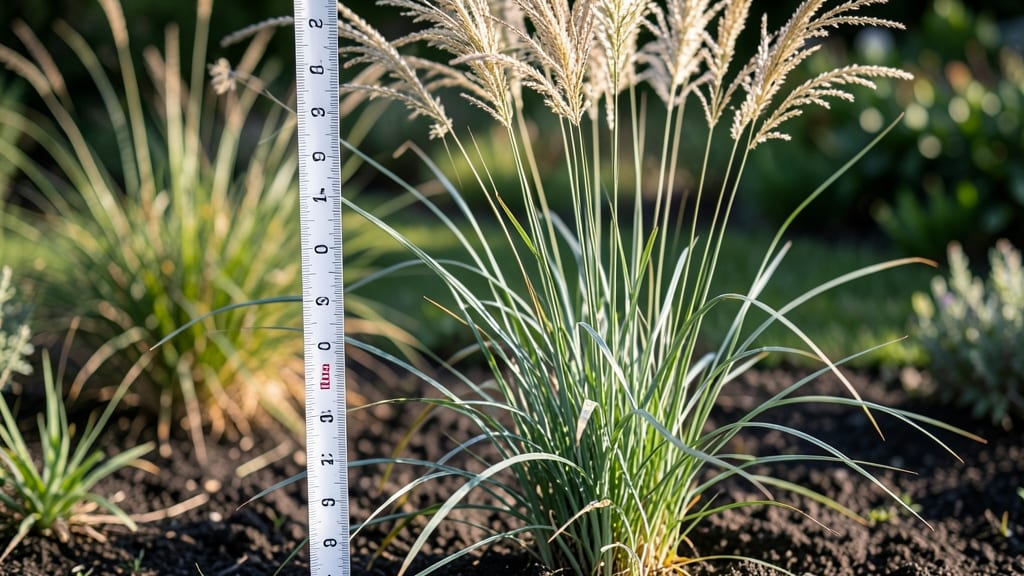
Wondering how tall will switchgrass grow the first year? It typically reaches just 1–2 feet—but proper soil prep, timing, and watering can make all the difference for its eventual 4–7-foot height.
Planting switchgrass as a native perennial isn’t just eco-friendly—it’s a game-changer for wildlife habitats and erosion control. But how fast will it grow in its first critical year? The answer depends on soil, climate, and care, with dramatic monthly height shifts that surprise even seasoned gardeners.
If you’re planting seeds in USDA Zone 6a, expect slow early growth—just 2–4 inches by June—but a growth spurt in late summer when roots finally anchor. Plugs, on the other hand, can leap ahead, reaching 12–18 inches by fall if given enough sunlight and moisture.
Below, I break down month-by-month expectations, the factors that can double or halve your height, and the simple adjustments that turn a 1-foot plant into a 2-foot powerhouse by year’s end.


Switchgrass height growth by month: what to expect in year one
If you're planting switchgrass for the first time, understanding its monthly height progression is key to setting realistic expectations. This native perennial starts small—just 2-4 inches after germination—but can reach 3-5 feet by year's end under ideal conditions.
The growth rate varies dramatically by region, soil type, and care routine, so let's break it down month by month.
In USDA Zone 6a (where switchgrass thrives), the first 60 days are critical. During this window, seedlings focus on root development rather than vertical growth. By June, you'll notice the first 3-6 inch shoots, but don't expect rapid height gains until after the last frost.
Northern climates may see 20-30% slower growth compared to southern regions due to shorter growing seasons.
Here's how your switchgrass height will progress under optimal conditions (full sun, well-drained soil, and moderate watering):
| Month | Height Range (Optimal) | Height Range (Suboptimal) | Key Growth Factors |
|---|---|---|---|
| April-May | 2-4 inches | 1-2 inches | Germination, root establishment |
| June | 6-12 inches | 3-8 inches | Sunlight exposure, soil moisture |
| July | 18-24 inches | 10-16 inches | Nutrient availability, temperature |
| August | 24-36 inches | 16-24 inches | Watering consistency, pest control |
| September | 36-48 inches | 24-36 inches | Daylight hours, soil type |
| October | 3-5 feet | 2-4 feet | Frost preparation, root hardening |
Notice how sandy soil can slow growth by up to 30% compared to loamy or clay-based soils. In clay soil, roots struggle to penetrate, but the plant compensates by growing taller to reach sunlight.
Meanwhile, sandy soil drains too quickly, forcing switchgrass to allocate more energy to root expansion than vertical growth.
If you're in a coastal region with high humidity, expect 10-15% faster growth due to increased moisture retention. However, these areas also face higher risks of fungal diseases like rust, which can stunt height gains.
My personal tip: space plants 18-24 inches apart in humid climates to improve airflow and reduce disease pressure.
By late August, your switchgrass should enter its fastest growth phase of the year. This is when you'll see 6-12 inches of height gain in just 4-6 weeks, assuming consistent morning watering and 6+ hours of sunlight.
If your plants appear stunted at this stage, check for compacted soil or nutrient deficiencies—both are common culprits.
One misconception I hear often is that switchgrass will reach maturity in its first year. While it may grow 3-5 feet tall, it won't develop the thick rhizomes or dense clumping seen in established plants.
The real growth spurt happens in year two, when roots expand and height can double. Think of year one as the foundation-building phase.
For container growing, expect 20-30% shorter heights due to root restriction. Use pots 12+ inches deep and 18+ inches wide to minimize this effect. In containers, I've seen switchgrass reach 2-3 feet by fall, but it requires weekly fertilization during the growing season to compensate for limited soil volume.
To maximize first-year height, focus on these three critical factors: sunlight, watering depth, and soil aer
Factors that dramatically affect first-year switchgrass growth height
Switchgrass thrives when you optimize just a few key factors, but getting them wrong can mean the difference between 3-foot plants and 5-foot giants by year's end. The most critical variables are soil pH, nitrogen availability, watering discipline, and planting timing.
Each plays a starring role in whether your switchgrass reaches its full first-year potential or struggles to stand tall.
Let's start with soil pH, which acts like a growth regulator. Switchgrass prefers a neutral to slightly acidic range of 6.0-7.5. Test your soil before planting—if it's off, amend with lime to raise pH or sulfur to lower it.
A pH outside this range can stunt root development by up to 40%, directly limiting how much your plants can grow vertically.
⚠️ callout warning
🚨 Common Mistakes That Halve Your Switchgrass Height
| Mistake | Impact | Fix |
| Over-fertilizing with nitrogen | Burns roots, stunts growth | Use 10-10-10 sparingly (1 cup/10 sqft) |
| Poor drainage (clay-heavy soil) | Roots suffocate, height drops 50% | Add compost or sand to improve aeration |
| Planting too late (after June) | Limits root establishment before winter | Plant in April-May for full-season growth |
| Overwatering (soggy soil) | Encourages fungal diseases | Water deeply once weekly in spring |
These errors don't just slow growth—they can permanently reduce your switchgrass's mature height by 2-3 feet.
Next, nitrogen levels determine how quickly your switchgrass shoots upward. Too little? Your plants will grow slowly and spindly. Too much? You'll get weak stems that flop over.
The sweet spot is a balanced 10-10-10 fertilizer applied lightly in spring. Avoid synthetic nitrogen spikes—switchgrass is a native plant that thrives on natural soil fertility.
Watering is where many gardeners go wrong. Switchgrass is drought-tolerant once established, but young plants need consistent moisture during their first 60 days. Overwatering is just as harmful as underwatering—it causes root rot and weak stems.
Aim for deep watering once weekly in spring, then taper to every 10-14 days in summer once roots are deep.
Finally, planting time sets the stage for your switchgrass's first-year performance. Spring planting (April-May) gives plants 4-5 months of growing season before winter dormancy. Fall planting is riskier—seeds may not establish strong roots before cold sets in.
If you must plant in fall, do it by early September in warmer climates (USDA Zone 7+).
When all these factors align—ideal pH, moderate nitrogen, proper watering, and timely planting—your switchgrass can easily reach 4-5 feet in its first year. But get them wrong, and you might see growth stall at just 2 feet.
The good news? Switchgrass is forgiving—with adjustments, you can still coax it to maturity in year two.