
Lawn
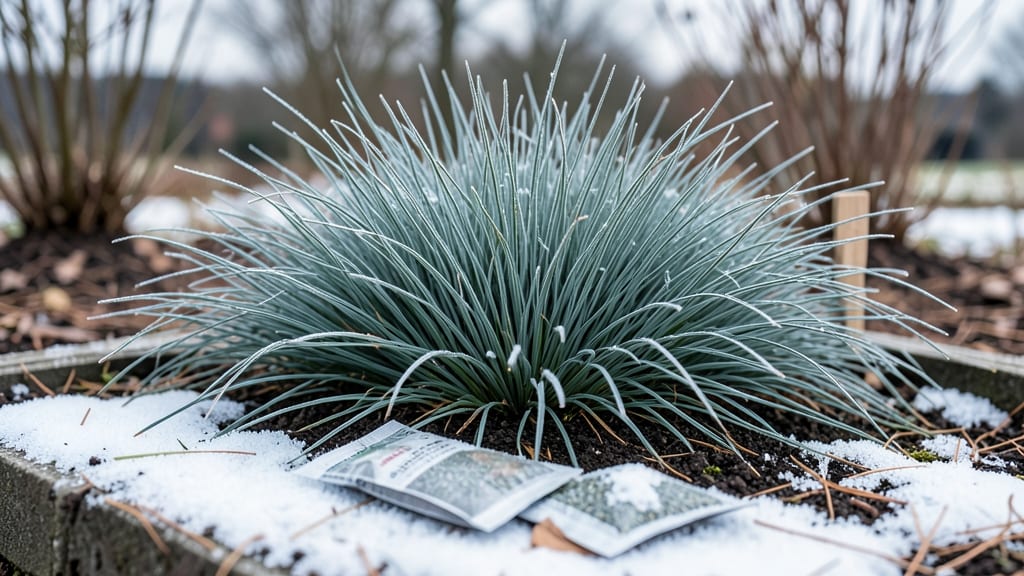
Planting grass seed on snow is possible in cold climates but requires precise timing—wait for late winter or early spring when soil temperatures reach 35°F or above, then apply seed and cover lightly with straw or mulch to shield against freezing winds and uneven snowmelt. Planting too soon risks seed rot or frost damage before sprouting.
Timing is everything when planting grass seed on snow, as the ground must be workable but not yet thawed. 🌱 Cold-hardy varieties like tall fescue or ryegrass can handle chilly conditions, but soil temperatures below 35°F slow germination to a crawl.
The snow acts as a natural insulator, keeping seeds moist while protecting them from harsh winds—just avoid heavy snowfall right after planting, as it can bury seeds too deep. I’ve found that a ¼-inch layer of straw works best for protection, while mulch helps retain moisture without smothering new shoots.
For best results, test soil temperature with a soil thermometer before seeding—aim for 40°F+ at a 4-inch depth. If you’re seeding in late winter, monitor forecasts for sudden warm spells, as rapid thawing can wash seeds away.
Patience pays off: seeds planted under snow may take 3-4 weeks longer to sprout than spring plantings, but the early start gives grass a competitive edge when warmer weather arrives.
💡 In This Article
- Optimal Soil and Temperature Conditions for Snow-Seeding Grass
- Step-by-Step Guide to Successfully Planting Grass Seed on Snow
Optimal soil and temperature conditions for snow-seeding grass
Soil temperature is the critical factor determining whether grass seeds will germinate under snow. Seeds need consistent warmth to break dormancy, and most varieties require soil temperatures of at least 35°F at a 4-inch depth—the level where roots will establish.
Below this threshold, metabolic activity in seeds slows dramatically, delaying germination by weeks. The snowpack acts as a natural insulator, maintaining a stable microclimate near the soil surface while shielding seeds from freezing winds that can desiccate them.
Cold-hardy grasses like tall fescue and perennial ryegrass are ideal for snow-seeding because they can tolerate brief exposure to 28°F soils while remaining dormant. These varieties have evolved to germinate when soil temperatures rise above 40°F, making them perfect for late-winter planting when snowmelt begins.
The key difference lies in their germination windows: fescue typically takes 14-21 days to sprout at optimal temperatures, while ryegrass can emerge in just 7-10 days—a critical advantage in short northern growing seasons.
Frost heave poses another challenge when planting on snow. As water in the soil freezes and expands, it can push seeds upward, exposing them to drying winds or burying them too deep for proper root development.
This is why planting when the ground is partially thawed but still firm is ideal—the soil structure supports seed placement while providing some insulation. A ¼-inch layer of straw further reduces frost heave risks by creating a protective barrier that stabilizes the seed-soil interface.
Snowmelt plays a dual role in moisture availability. While it provides essential hydration, rapid thawing can create waterlogged conditions that suffocate seeds. The ideal scenario is a gradual melt where snowpack releases moisture slowly over 3-5 days, maintaining consistent soil moisture without creating puddles.
This is why late winter planting—when daytime temperatures begin rising but nighttime frosts persist—often yields better results than early spring plantings when snowmelt can be erratic.
Consider these cold-hardy varieties and their ideal planting windows:
- Tall fescue: Best planted when soil temps reach 40°F+; handles snow cover well due to deep root system
- Perennial ryegrass: Germinates fastest (7-10 days) but needs consistent moisture; ideal for early snow-seeding
- Fine fescue: Slow but steady germination (21+ days); tolerates colder soils (35°F)
What most people overlook is how seed dormancy interacts with snow cover. Many cold-hardy seeds enter a state of secondary dormancy when exposed to prolonged cold, requiring a warm period to break this cycle.
This is why planting too early—when soil temps fluctuate between 30°F and 40°F—can leave seeds in limbo, neither germinating nor remaining viable. The solution? Monitor soil temps with a soil thermometer and wait for a stable 40°F+ reading before seeding.
For maximum success, aim to plant when snow depth is 2-4 inches—thin enough to allow light penetration for photosynthesis but thick enough to insulate seeds. This balance creates the perfect microclimate where seeds remain moist without risking burial or freezing. 🌟