
Lawn
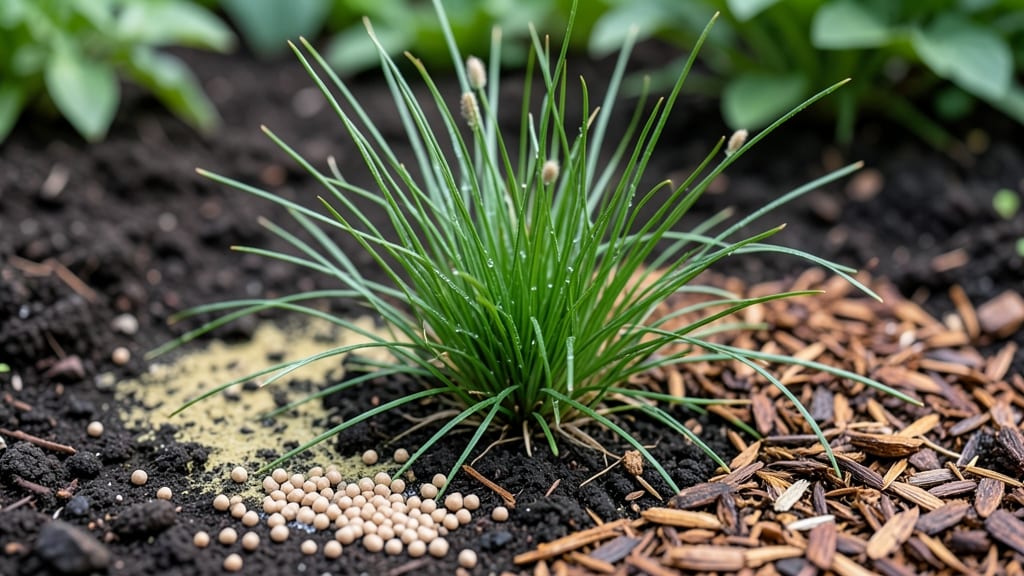
This grass protection from dog urine trick saved my lawn—turning yellow patches into lush green with a simple, natural neutralizer that actually revives the grass.
The key isn’t just cleaning up after your pup, but understanding why urine burns grass in the first place and how to outsmart it before the damage sets in.
Most people reach for commercial products, but the real fix comes from simple household items like baking soda or vinegar—both break down the ammonia fast. I’ve seen brown spots turn green again in just 48 hours with the right mix.
The secret is diluting the urine immediately and giving your lawn a quick rinse to wash away the damage before it sinks in.
Long-term, the solution isn’t just cleanup—it’s choosing dog-friendly grass types like tall fescue or Kentucky bluegrass, which handle urine better than delicate varieties. Plus, a thick lawn acts like armor, so proper watering and occasional overseeding make all the difference.
Even if your lawn looks like a crime scene now, these methods work—no matter how many times your dog circles the same spot. Let’s turn those yellow patches into lush green again without breaking the bank or the eco.
The Hidden Culprits Behind Urine Damage
If your lawn looks like it’s been hit by a yellow-and-brown paintball, the culprit is likely your dog’s urine. But why does this happen? The answer lies in a mix of chemistry, biology, and even your pup’s diet.
Let’s break down the science behind the damage so you can tackle the problem head-on.
Dog urine is packed with nitrogen compounds, primarily ammonia (NH₃) and urea (CO(NH₂)₂). When your dog pees, these compounds are highly concentrated—especially in the first few seconds of urination. Here’s what happens next:
- Urea breaks down into ammonia via bacteria in the soil.
- Ammonia is alkaline (pH 8–9), which disrupts the grass’s ability to absorb nutrients.
- Grass cells struggle to process the sudden influx of nitrogen, leading to chlorosis (yellowing) or even necrosis (cell death) in severe cases.
- Fast-growing grasses (like Kentucky bluegrass or fescue) are more sensitive because they can’t metabolize the nitrogen quickly enough.
Fun fact: Male dogs often cause more damage because their urine streams are more concentrated due to anatomy. Females, while less intense, may pee more frequently, leading to cumulative stress on the lawn.
Grass thrives in a slightly acidic to neutral pH range (6.0–7.0). Dog urine tips the scales toward alkalinity, creating an unwelcome environment:
- High pH disrupts nutrient uptake, particularly iron and manganese, which are essential for chlorophyll production (the green pigment in grass).
- Iron deficiency = yellowing between leaf veins (a classic sign of "iron chlorosis").
- Manganese deficiency = grayish-green or brown patches, often in new growth areas.
Pro tip: If your soil is already alkaline (pH > 7.0), urine damage will be even more noticeable. Test your soil’s pH with a DIY kit—it’s the first step to targeted protection.
You might not realize it, but what your dog eats directly affects their urine’s impact on your lawn. Here’s how:
| Diet Factor | Effect on Urine | Lawn Impact |
|---|---|---|
| High-protein food (e.g., raw diets, kibble) | More urea → higher ammonia levels | Increased burning risk |
| Low-quality fillers (e.g., corn, wheat) | Less digestible → more concentrated waste | Stronger urine pH spike |
| Hydration levels | Dehydrated dogs = darker, more acidic urine | Greater chance of yellowing |
| Supplements (e.g., calcium, magnesium) | Can alter urine pH | May worsen alkalinity |
Actionable tip: If your dog’s diet is heavy in protein or low in fiber, consider switching to a high-quality, balanced kibble or adding pumpkin puree (a natural fiber source) to dilute urine concentration.
Even the best-laid lawn plans can fail if timing and weather aren’t in your favor:
- Hot, dry conditions = Urine sits longer on grass blades, increasing burn risk.
- Frequent urination (e.g., anxious dogs, small dogs) = Cumulative damage over time.
- Compacted soil = Poor drainage → urine pools and lingers, amplifying the problem.
Did you know? Dogs pee more in stressful situations (e.g., vet visits, new homes). If your pup’s spots seem to worsen during transitions, it might not be the lawn—it’s their bladder!
Soil bacteria are usually the heroes that break down urea into nitrates (a plant-friendly nutrient). But sometimes, they become the villains:
- Overactive bacteria can produce too much ammonia too quickly, overwhelming the grass.
- Poor soil health (low organic matter, lack of microbes) = slower breakdown = prolonged damage.
- Fungal or bacterial imbalances can exacerbate stress on grass roots.
Solution: Boost your soil’s microbial activity with compost, mycorrhizal fungi, or a microbial inoculant to speed up urine neutralization.
Quick Fixes for Dog Urine Damage
Now that you understand why dog urine harms your grass, let’s tackle the solutions—fast and effective ways to neutralize the damage, restore your lawn, and keep it thriving.
Whether your grass is already yellowing or you want to prevent future spots, these methods will help you reclaim a lush, green yard.
If you catch your dog mid-pee or notice fresh urine spots, act within 24 hours to minimize damage.
🍳 Dilute the Urine (Fastest Fix)
Dog urine is highly concentrated with nitrogen, which burns grass. Diluting it right away reduces the impact.
- How to do it:
- Fill a garden spray bottle with water.
- Lightly mist the affected area immediately after your dog urinates (or within 30 minutes).
- Use enough water to dilute the urine—think of it like rinsing off a spill.
- Why it works: Water breaks down the ammonia and urea, preventing them from seeping deep into the soil and killing grass roots.
👨🍳 Overwater the Spot (For Established Damage)
If the yellow patch is already visible, deep watering can help flush out excess salts and nutrients.
- How to do it:
- Use a hose or sprinkler to soak the area for 10–15 minutes.
- Focus on slow, deep watering (like a gentle rain) to encourage roots to absorb moisture instead of absorbing more urine.
- Pro tip: 💡 Do this early in the morning so the grass has time to dry before evening dew settles.
If the grass is already dead or struggling, these steps will help restore it naturally without harsh chemicals.
🥘 Reseed the Affected Area (Best for Bare Spots)
If the urine killed the grass completely, reseeding is the most effective long-term fix. - How to do it: 1. Remove dead grass by gently scraping the area with a hand rake or lawn knife.
- Loosen the soil with a garden fork or tiller to help new seeds take root.
- Sprinkle grass seed evenly over the spot (choose a fast-growing, dog-friendly variety like Kentucky Bluegrass or Fescue).
- Cover lightly with a thin layer of soil or compost (about ¼ inch).
- Water gently every day for the first 2 weeks, then taper off to encourage deep roots. - Pro tip: ✨ Use a starter fertilizer (low in nitrogen) to give new seeds a nutrient boost without overwhelming them.
🔪 Overseed Thin or Weak Grass (For Partial Damage)
If the grass is still alive but struggling, overseeding can thicken it up.
- How to do it:
- Mow the area low (but not scalping) to open up space for new seeds.
- Spread grass seed evenly over the spot using a broadcast spreader.
- Lightly rake to ensure seeds make contact with soil.
- Water deeply 2–3 times a day for the first week, then reduce to 1–2 times daily until germination.
The best way to protect your lawn is to stop urine from burning it in the first place. Here’s how:
🌡️ Train Your Dog to Pee in Designated Spots
Dogs can learn to urinate in one area if trained properly.
- How to do it:
- Choose a gravel, mulch, or artificial turf area away from your lawn.
- Reward your dog with treats and praise when they use the spot.
- Clean up accidents immediately with an enzyme cleaner (like Nature’s Miracle) to remove odors that might attract them back.
- Pro tip: 🎯 If your dog is young or untrained, limit outdoor time after meals/water breaks when they’re most likely to pee.
📊 Use Natural Neutralizers (For Existing Spots)
If you can’t train your dog right away, neutralize urine on contact with these DIY or store-bought solutions:
| Method | How to Use | Best For |
|---|---|---|
| Vinegar Solution | Mix 1 part white vinegar + 2 parts water in a spray bottle. Mist after pee. | Quick dilution & odor control |
| Baking Soda Paste | Sprinkle baking soda over the spot, then water lightly. | Neutralizing pH fast |
| Compost or Manure Tea | Apply a diluted compost tea to restore soil balance. | Long-term soil health |
| Enzyme Cleaners | Spray pet-safe enzyme cleaners (like Rocco & Roxie) after accidents. | Heavy-duty odor & burn fix |
- Pro tip: 💡 Avoid overwatering the neutralized area—just enough to rinse, not soak.
🌿 Choose Dog-Friendly Grass Types
Some grasses tolerate urine better than others. If you’re reseeding, opt for:
- Tall Fescue – Drought-resistant and recovers well.
- Perennial Ryegrass – Grows quickly and handles foot traffic.
- Buffalo Grass – Naturally drought-tolerant and low-maintenance.
To keep your lawn lush and urine-resistant, follow this simple routine:
- Water deeply 2–3 times a week (early morning).
- Mow high (3–4 inches) to shade roots and retain moisture.
- Fertilize lightly (avoid high-nitrogen fertilizers near urine spots).
- Reseed bare spots every spring and fall.
- Train your dog to use a designated pee area.
Final Thought: 🌟 With these quick fixes and preventative steps, your lawn can bounce back from dog urine damage—and stay green for good! The key is acting fast when accidents happen and consistently protecting your grass with the right habits.
Frequently asked questions
Why does my dog’s urine turn grass yellow so quickly?
Dog urine contains high levels of ammonia and urea, which create an alkaline environment that disrupts nutrient absorption in grass. The ammonia burns grass cells almost instantly, especially in hot or dry conditions. Male dogs often cause more damage because their urine is more concentrated due to anatomy.
Can I use vinegar to neutralize dog urine on my lawn?
Yes! A mix of 1 part white vinegar + 2 parts water helps dilute the urine and neutralize its pH. Spray it immediately after your dog pees to prevent damage. Vinegar also helps control odors, making it a great all-in-one solution for fresh spots.
How long does it take for grass to recover from dog urine damage?
If you act fast (within 30 minutes of urination), grass can recover in 2-3 days with proper watering. For dead patches, reseeding takes 2-4 weeks to show visible regrowth. Thicker grass and deep watering speed up recovery.
What’s the best grass type to plant if my dog frequently urinates on the lawn?
Choose dog-resistant grasses like tall fescue or perennial ryegrass, which tolerate urine better than delicate varieties. Buffalo grass is another great option—it’s naturally drought-resistant and recovers well from damage.
Will my dog’s diet affect how much damage their urine causes?
High-protein diets or low-quality fillers make urine more concentrated and alkaline. Switching to a balanced kibble or adding pumpkin puree (for fiber) can dilute the urine’s impact. Hydration also matters—well-hydrated dogs produce less concentrated urine.