
Companion Plants
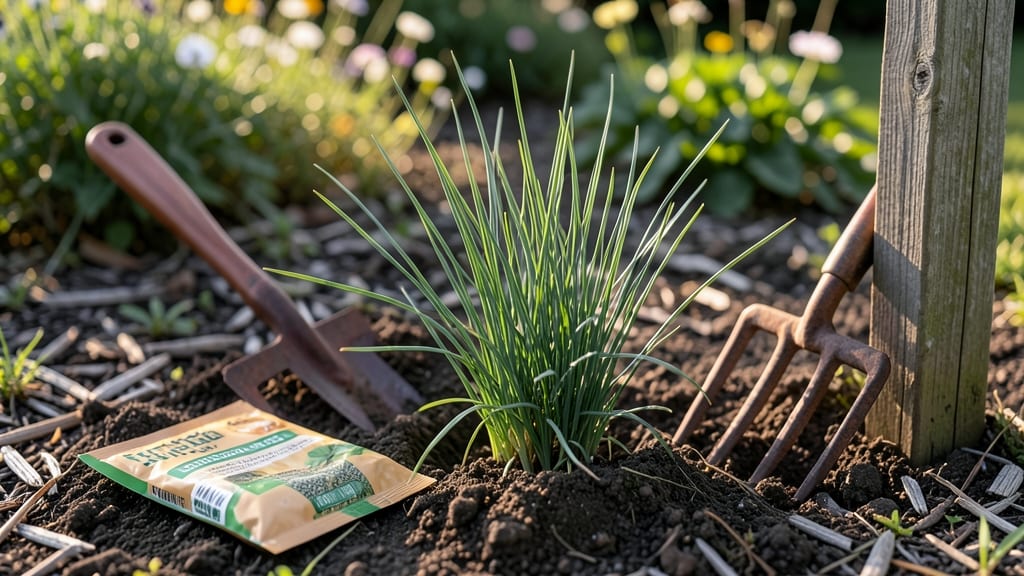
Planting grass seed in Pennsylvania spring means timing it right for fast germination—when soil temperatures hit 50°F and stay there, usually by late March or early April.
Too early, and cold soil will leave your seed sitting idle for weeks. Too late, and summer heat will stress young 🌱 turfgrass before it even takes hold. If you’ve ever watched your lawn stay patchy or slow to grow, you know how critical this window really is.
Pennsylvania’s 5b-7a zones mean conditions vary by region, but the rule of thumb is simple: wait until the ground warms and the last frost date is at least 4-6 weeks behind you.
This guide breaks down the exact soil temps to aim for, plus prep steps to give your new grass the best start.
From testing soil warmth to avoiding common mistakes, you’ll learn how to plant for a lush, green lawn that fills in quickly—without the guesswork. Let’s get your spring lawn off to the right start.
Ideal soil temperature ranges for planting grass seed in PA spring
Getting your grass seed timing right in Pennsylvania means paying close attention to soil temperature. Cool-season grasses like Kentucky bluegrass and fescue thrive when soil warms to 40°F–55°F, while warm-season varieties like Bermuda grass need 65°F–75°F.
Planting outside these ranges can delay germination or stress young seedlings, especially in PA’s variable climate.
Pennsylvania’s eastern regions (like Philadelphia and Pittsburgh) tend to warm faster in spring than western zones (e.g., Erie or State College). This means your ideal planting window might be 2–3 weeks earlier in the east compared to the cooler, slower-warming west.
Always check local frost dates and soil temps to adjust.
To test your soil temperature, use a soil thermometer buried 1–2 inches deep—this mimics the depth where seeds germinate. Morning readings between 10 AM and noon are most accurate.
If your soil is below 50°F, wait a few days; if it’s above 75°F, consider overseeding in late summer instead.
| Grass Type | Ideal Soil Temp (°F) | Best PA Region | Planting Window |
|---|---|---|---|
| Cool-Season (Kentucky Bluegrass, Fescue, Ryegrass) | 40°F–55°F | Eastern PA (Philadelphia, Allentown) | Early April–Mid-May |
| Cool-Season (Tall Fescue) | 35°F–50°F | Western PA (Erie, State College) | Late April–Early June |
| Warm-Season (Bermuda, Zoysia) | 65°F–75°F | Southern PA (Lancaster, Harrisburg) | Late May–June |
| All Grasses (Overseeding) | 50°F–60°F | Statewide | September–October |
For cool-season grasses, aim to plant 4–6 weeks before your area’s last frost date. In eastern PA, this often lands in early April, while western PA may wait until mid-April.
Use a frost calendar from your local Cooperative Extension office for precise dates. If you’re unsure, err on the side of waiting—cold soil is the #1 killer of young grass.
Warm-season grasses like Bermuda or Zoysia are trickier in PA’s spring. These varieties prefer warmer soil and struggle if planted before late May. If you’re itching to plant early, consider covering seeds with black plastic for a few days to warm the soil faster.
However, this method works best in southern PA where summers are hotter.
Regional microclimates play a huge role. For example, Pittsburgh’s urban heat islands can warm soil 5–10°F faster than rural Allegheny County. If you’re in a shady or low-lying area, your soil may stay cooler longer.
Test multiple spots in your yard to find the warmest microclimate for planting. A south-facing slope will warm sooner than a north-facing yard.
One common mistake is relying on air temperature instead of soil temperature. A 70°F day might feel warm, but if your soil is still 45°F, your grass seed won’t germinate.
Use a soil thermometer for 3–5 days to confirm consistency. If temps fluctuate wildly (e.g., 50°F days, 35°F nights), delay planting until conditions stabilize.
Once your soil hits the ideal temperature range, act fast! Cool-season grasses germinate in 7–21 days when conditions are perfect, while warm-season varieties take 14–30 days. Keep the soil consistently moist (not soggy) and protect new seedlings from late frosts with a light frost cloth if needed.
With the right timing, you’ll see uniform green growth in just a few weeks.
Remember, fall planting (September–October) is often the best time for cool-season grasses in PA. The soil stays warm enough for germination but cools slightly in autumn, reducing stress on young plants. If you miss
Best months to plant grass seed in Pennsylvania (by grass type)
Pennsylvania’s variable climate means the best planting months depend on your grass type and microclimate. Cool-season grasses like Kentucky bluegrass and fescue thrive when planted in early spring, while warm-season Bermuda grass waits for late spring heat.
Let’s break it down by type to avoid common mistakes and ensure fast germination.
For cool-season grasses, the ideal planting window is March through early May, but timing varies by USDA Zone (5b–7a). In western PA (warmer zones), you can start as early as late February, while eastern PA may need to wait until mid-April to avoid frost damage.
Warm-season grasses like Bermuda grass prefer late spring to early summer, once soil temps hit 70°F+.
Best Months: March–April
Plant 4–6 weeks before last frost (typically mid-March in western PA, late March in eastern PA). Soil temp should reach 50–60°F. Overseed in September for winter hardiness.
Best Months: April–May
Wait until soil temps hit 55–65°F (usually late April). Drought-tolerant, so plant after spring rains to reduce watering needs. Overseed in early fall for best results.
Best Months: August–September
Use as a temporary cover before overseeding with perennial grasses. Plant in late summer to establish before first frost. Germinates in 5–10 days when soil is 60–70°F.
Best Months: Late May–June
Wait until soil temps exceed 70°F (usually late May in PA). Warm-season grass needs full sun and consistent heat to establish. Overseed in early fall if needed.
If you’re preparing your lawn in late winter, focus on pre-emergence weed control and soil aeration in February. This gives seeds a clean, loose surface to root into by spring planting.
For summer overseeding, late August is ideal—it mimics fall planting conditions without early frost risks.
Pro tip: Use a soil thermometer to check 1–2 inches deep before planting. Cool-season grasses need 50–60°F, while warm-season Bermuda grass thrives at 70–75°F. Adjust your planting schedule based on your local microclimate—valleys stay cooler longer than south-facing slopes.
Remember, consistent moisture is key after planting. Water lightly daily (or every other day) to keep soil evenly moist until germination. Once seedlings reach 2–3 inches, reduce to 1 inch per week to encourage deep root growth.