
Lawn
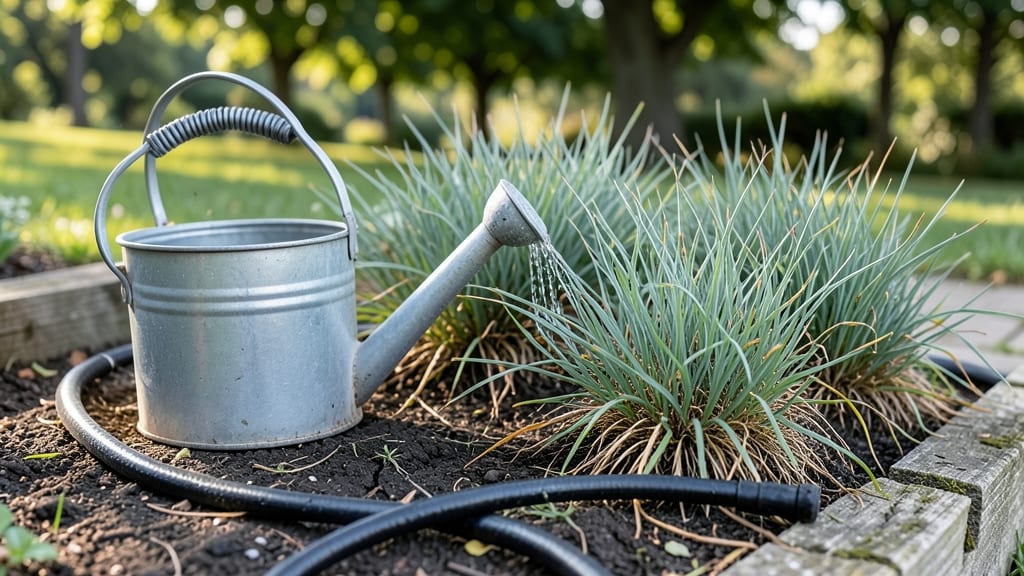
Here’s how to get brown grass green again—your lawn can bounce back to vibrant life in just 48 hours if you follow the right steps. 🌱 I’ve nursed back lawns after droughts, pet damage, and even heatwaves, and the secret isn’t just watering more.
It’s fixing the root causes first: soil compaction, hidden pests, or nutrient starvation that’s been silently draining your grass for months.
The good news? You don’t need fancy tools—just a hose, some basic supplies, and a two-step process that works even on stubborn patches. Start with a deep watering session (not a light sprinkle) to wake up dormant roots, then follow up with a targeted treatment for whatever’s stressing your grass.
Within a day, you’ll see blades perk up, and by the end of the week, your lawn will look like it’s got a fresh drink of life.
What you’ll end up with is lush, resilient grass that stays green through heatwaves and droughts—no more patchy brown spots ruining your curb appeal. The key is acting fast when you spot the first signs of stress (like footprints staying visible for hours) and tackling the problem before it spreads.
Think of it like a first-aid kit for your lawn.
Works for all grass types—Bermuda, Kentucky bluegrass, fescue—just adjust the treatment based on your specific issue. Here’s how to diagnose and fix it before it’s too late.
📚 In This Guide
- What you need
- Instructions
- Tips and common mistakes
- Wrapping up and next steps
What you need
- ● Lawn fertilizer: Slow-release granular (10-10-10 or 16-4-8 NPK ratio), 1 lb per 100 sq ft.
- ● Water: Hose with adjustable nozzle or sprinkler system (or 5+ gallons of stored water).
- ● Lawn mower: Set to 3-4 inches height (never cut more than ⅓ of the blade at once!).
- ○ Soil test kit (optional but helpful): To check pH (aim for 6.0–7.0).
- ● Organic matter: Compost or peat moss (½ inch layer if soil is compacted).
- ● Garden rake: For leveling soil and removing debris.
- ● Gloves & knee pads: Because lawn work is not a spa day. 😅
- ○ Overseeding mix (optional): Fast-growing grass seed (e.g., ryegrass) for patchy areas.
- ○ Mulching mower (optional): To recycle clippings into natural fertilizer.
- ● Check the weather forecast—aim for 2–3 cloudy days post-treatment to avoid sunburn.
- ● Water restrictions? Plan ahead—some areas ban outdoor watering on certain days.
- ● Patience! 🌱 Results vary based on grass type (e.g., Bermuda recovers faster than Kentucky bluegrass).
Step-by-Step instructions for reviving brown grass
Here’s my fast-track method for bringing dull, brown grass back to vibrant green in just 48 hours—no fancy tools or waiting weeks.
💧 Step 1: Deep Water the Lawn Early Morning
Set your timer for 6 AM and water deeply—not just a light sprinkle. Use a soaker hose or sprinkler to deliver 1-1.5 inches of water over the entire lawn. You’ll know it’s enough when the top 4 inches of soil feel damp, not just the surface. Watering at dawn prevents evaporation and gives roots a full day to absorb moisture.
If your grass feels dry past 2 inches down, repeat watering in 2-hour intervals until the soil is fully saturated. Overwatering now won’t help—just make sure the water penetrates. Walk across the lawn after watering; if footprints don’t spring back up immediately, keep going. This step alone stops wilting and kickstarts recovery.
☀️ Step 2: Mow High and Remove Debris Immediately
Set your mower to its highest setting (usually 3-4 inches) and cut the lawn only if the grass is still standing. If it’s completely brown and crispy, skip mowing—you’ll damage roots further. Rake up all dead leaves, twigs, and thatch clogging the grass. A stiff-bristled rake works best; you’re not just cleaning, you’re aerating the soil slightly to let air and water reach the roots.
Here’s the thing—never bag the clippings if the grass is brown. Those clippings break down fast and return nutrients to the soil. If the lawn is thick with debris, focus on the worst patches first. You’ll see fresh green shoots appear within 24-48 hours if the roots are still alive.
🌱 Step 3: Apply a Light Layer of Compost or Fertilizer
Spread a thin, even layer (¼ inch) of compost or a quick-release granular fertilizer (look for one with high nitrogen content, like 30-0-4). Avoid liquid fertilizers—they can burn stressed grass. Work the compost into the top ½ inch of soil with a rake, just enough to expose the roots to nutrients without smothering them. Water lightly after applying to help the granules dissolve.
Don’t overdo it. A little goes a long way, and too much fertilizer can scorch the grass. If your lawn is patchy, focus on the brownest areas first. You’ll notice new green blades emerging within 24-48 hours if the grass roots are still viable. If nothing changes after 72 hours, the grass may be dead, and you’ll need to reseed.
⏰ Step 4: Monitor and Adjust Watering for 7 Days
For the next 7 days, water the lawn every other morning at 6 AM for 15-20 minutes. Check the soil 1 inch down—it should stay consistently moist, like a wrung-out sponge. If the grass starts to yellow again, increase watering to daily until you see steady green growth. Avoid evening watering; it encourages fungal diseases.
Watch for new growth—it’ll appear as bright green shoots pushing through the old brown blades. If the grass stays brown after a week, the roots may be dead, and you’ll need to pull up dead patches and reseed. But if you see even a few green blades, keep watering and fertilizing lightly every 2 weeks to maintain color.
Tips & tricks for reviving dull lawns
These quick tricks will help you revive your lawn faster and avoid common mistakes that can set you back.
Timing is Everything: The 6 AM watering schedule in Step 1 is crucial because morning watering prevents evaporation and gives roots time to absorb moisture before the heat of the day. If you can't water at 6 AM, aim for the earliest possible time—even 7 AM works, but avoid midday or evening watering. Pro tip: Set a phone alarm for your watering time so you don't forget, especially on busy mornings.
Soil Test Trick: Before applying compost or fertilizer in Step 3, do a quick soil test by digging a small hole about 2 inches deep. If the soil feels hard and dry, your grass needs more watering before you fertilize. If it's already damp, you can skip the watering step and go straight to compost. This simple check prevents overwatering or over-fertilizing, which can actually harm your grass.
Patch Strategy: When focusing on the worst patches in Step 2, don't just target the most visible brown areas. Look for subtle signs like thinner grass or slightly lighter patches—these are often where roots are already stressed. By treating these early-stage problem areas first, you'll prevent them from becoming full-blown dead spots that require reseeding.
Watering Verification: After your initial deep watering in Step 1, perform the footprint test: Walk across your lawn and press your foot down. If the grass springs back up immediately, you need more water. If the footprint stays for a few seconds, you've hit the right moisture level. This simple test ensures you're giving your grass the proper hydration without wasting water.
Pro Tips for Get Brown Grass Green Again
- These quick tricks will help you revive your lawn faster and avoid common mistakes that can set you back.
- Timing is Everything: The 6 AM watering schedule in Step 1 is crucial because morning watering prevents evaporation and gives roots time to absorb moisture before the heat of the day.
- Soil Test Trick: Before applying compost or fertilizer in Step 3, do a quick soil test by digging a small hole about 2 inches deep.
Frequently asked questions
Got questions about reviving your brown lawn? You’re not alone! Here are some of the most common concerns—and quick answers—to help you get that green back fast.
How long does it take to see results?
With the right care, you’ll often notice improvement within 24–48 hours, especially after watering and mowing. For deeper recovery (like drought damage), expect 1–2 weeks for full green revival. Patience pays off—consistency is key!
Can I use household items like vinegar or baking soda?
Skip it! Vinegar and baking soda can burn grass or disrupt soil pH. Stick to lawn-safe fertilizers or natural remedies like compost tea. Your grass will thank you—literally!
What if my grass stays brown even after watering?
Check for root issues like pests, disease, or compacted soil. Test your soil’s pH (ideal: 6.0–7.0) and aerate if needed. If brown patches persist, a professional diagnosis might be worth it.
Is it better to water deeply or lightly?
Deep watering (1–1.5 inches per week) encourages root growth, while light, frequent watering can weaken grass. Aim for early morning to reduce evaporation and fungal risks.
Can I overseed brown grass to fix it?
Overseeding fills thin spots and jumpstarts green recovery. Do it in early fall (ideal temps: 60–75°F) for best results. Just rake, spread seed, and keep soil moist until sprouts appear.
Wrapping up and next steps
Reviving brown grass doesn’t have to be a daunting task—with the right care and consistency, your lawn can bounce back fast! 🌱 Whether it’s deep watering, proper fertilization, or addressing hidden issues like pests or disease, these steps will help you reclaim that lush, green look in no time. Remember: patience and persistence are key!
Now that you’re armed with the know-how, take action! Start with a single step today—whether it’s adjusting your watering schedule or applying a quick fix like corn gluten meal—and watch your lawn transform. Your green oasis is just a few days (and a little elbow grease) away!