
Lawn
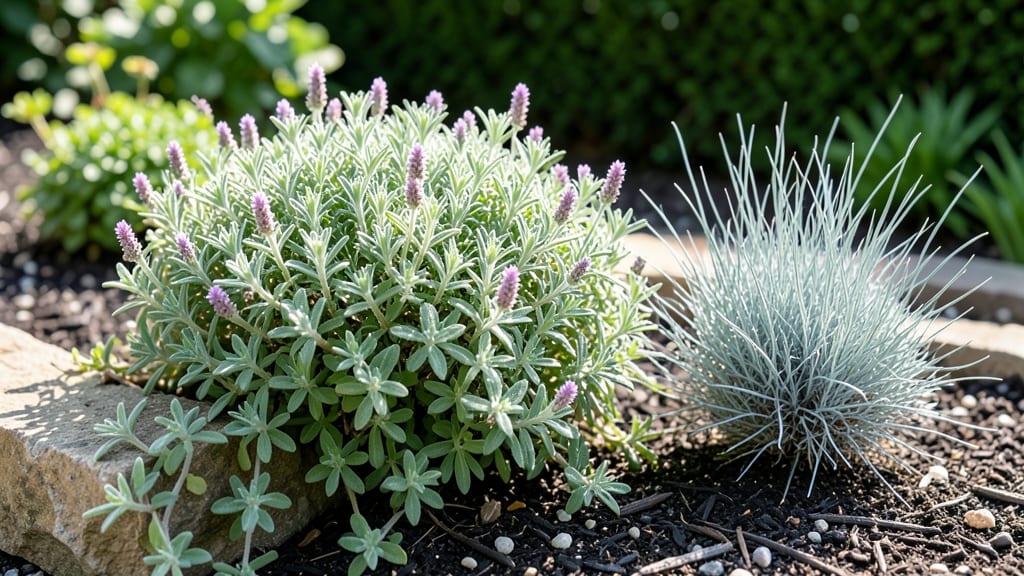
Growing grass and herbs together isn't just possible—it's a game-changer for your yard. 🌱 I've turned my patchy lawn into a lush, fragrant green space by blending ornamental grasses with hardy herbs like thyme and oregano, and the results are shockingly lush.
The key lies in understanding each plant's needs while creating a system where they support each other.
You'll need three core elements: the right grass variety for your climate (cool-season like Kentucky bluegrass or warm-season like Bermuda), well-draining soil amended with compost, and a sunny spot getting at least 6 hours of light daily.
Herbs like rosemary and lavender thrive in poor soil but need excellent drainage, while mint and chives spread aggressively—so contain them with edging or containers. The right mix means less mowing, fewer weeds, and a lawn that actually smells good when you walk on it.
By summer's end, you'll have a lawn that stays green through droughts and a herb garden that's always within reach. The grasses provide structure while herbs add fragrance and natural pest control—no chemicals needed.
Picture it: walking barefoot on soft, velvety grass that smells faintly of rosemary when you brush against it. That's the power of this dual approach.
Works for small suburban yards, large estates, or even container gardens on patios. Whether you're fixing a bare spot or designing a new landscape, this method scales easily. Let's get your lawn working harder for you—and tasting better too.
📚 In This Guide
- What you need
- Instructions
- Tips and common mistakes
- Wrapping up and next steps
What you need
- ● Grass seed: Choose a mix suited to your climate (e.g., Kentucky Bluegrass, Fescue, or Bermuda). Quantity: 5–10 lbs per 1,000 sq ft, depending on seed size.
- ● Herbs for lawn integration: Select hardy varieties like clover, chamomile, or wild thyme. Quantity: 1–2 lbs per 1,000 sq ft (mix with grass seed or sow separately).
- ● Topsoil or compost: 2–4 inches of high-quality, well-draining soil or compost to amend existing lawn areas.
- ● Organic fertilizer: A balanced, slow-release option (e.g., 10-10-10 or compost tea) to nourish roots.
- ● Mulch (straw or grass clippings): Lightly cover seeded areas to retain moisture (¼ inch layer).
- ● Lawn mower (or reel mower for eco-friendly trimming) – Adjust blade height to 2–3 inches for herb-friendly lawns.
- ● Broadcast spreader – For even seed distribution (manual or electric).
- ● Rake (bow or leaf rake) – To level soil and remove debris before seeding.
- ○ Garden hose or sprinkler – For consistent watering (drip irrigation is optional but ideal).
- ● Gloves & knee pads – Because comfort matters! 😉
- ● Sunlight: Full sun (6+ hours/day) for most grass-herb blends; partial shade for fescue or clover mixes.
- ● Soil test: Check pH (ideal: 6.0–7.0) and nutrient levels via a local extension office or DIY kit.
- ● Weather window: Seed in spring or early fall when temps are 60–75°F (avoid frost or extreme heat).
- ● Water access: Commit to daily watering (15–20 mins) for the first 2 weeks post-seeding.
- ● Lawn aerator – Loosens compacted soil for better seed-to-soil contact.
- ● Soil amendments: Biochar, worm castings, or mycorrhizal fungi to boost microbial life.
- ● Herbicide-free weed barrier – Landscape fabric to suppress weeds before seeding (remove after germination).
- ● Lawn thermometer – Monitor soil temps for optimal planting conditions.
Step-by-Step guide to establishing a lush grass and herb lawn
Here’s how to create a vibrant, functional lawn that thrives year-round—no guesswork, just proven techniques.
🌱 Step 1: Test and Prepare Your Soil
Before planting, test your soil’s pH and nutrient levels. Grass and herbs prefer a slightly acidic to neutral range (pH 6.0–7.0). If your soil is heavy clay or sandy, mix in 2–3 inches of compost to improve drainage and fertility. I like to spread the compost evenly, then till it into the top 6 inches of soil. This ensures roots get the nutrients they need without competing with weeds.
Don’t skip this step—poor soil is the #1 reason lawns struggle. You’ll see healthier growth and fewer pests when the foundation is right. Water the area lightly after amending to help the compost settle.
🪴 Step 2: Plant Grass and Herbs in the Right Layout
For a 4-serving lawn (roughly 16x16 feet), plant 4–6 lbs of grass seed in the first section, spacing rows 6–8 inches apart. Herbs like thyme, clover, or chamomile can be scattered between grass patches—they thrive in partial shade and add resilience. Press seeds lightly into the soil with a rake to ensure good soil contact, but don’t bury them more than ¼ inch deep.
Herbs need space too—plant them 12–18 inches apart to prevent overcrowding. Water immediately after planting to activate germination. Keep the soil moist but not soggy for the first 2 weeks—this is when roots establish.
☀️ Step 3: Water and Fertilize for Year-Round Health
Water deeply 2–3 times per week in the first month, then taper to 1–1.5 inches per week once established. Grass needs morning watering to reduce fungus risk, while herbs prefer even moisture without soggy soil. Use a slow-release fertilizer every 6–8 weeks to keep nutrients balanced. I apply it after mowing, so the grass blades shield the soil from burning.
Watch for signs of overwatering—yellowing grass or wilting herbs mean you’re drowning the roots. Adjust your schedule based on rainfall; a good rule is to check soil moisture 1 inch below the surface before watering.
✂️ Step 4: Mow and Maintain for a Polished Look
Once grass reaches 3–4 inches tall, mow it to 2.5–3.5 inches to encourage deeper roots. Never cut more than ⅓ of the blade height at once—this stresses the plant. For herbs, trim back 1–2 inches above the soil to promote bushiness. I mow in the late afternoon when temperatures are cooler, which reduces stress on the plants.
Remove clippings after mowing to prevent thatch buildup. If weeds pop up, pull them by hand or spot-treat with a natural herbicide like vinegar (but avoid where herbs grow). A well-maintained lawn like this stays lush with minimal effort.
🌿 Step 5: Seasonal Care for All-Season Beauty
In spring, aerate compacted soil and overseed bare patches. Fall is the best time to fertilize—grass stores nutrients for winter resilience. Herbs like mint or oregano may need dividing if they spread too aggressively. In winter, reduce watering but keep soil slightly moist unless frost is expected.
This routine keeps your lawn vibrant through every season. The key is consistency—small, regular efforts beat sporadic heavy work. You’ll notice the difference in just a few months!
Tips & tricks for perfect grass and herb lawns
Here's what nobody tells you about keeping your lawn thriving without the guesswork.
Soil Prep is Non-Negotiable: That 2-3 inches of compost in Step 1 isn't just about nutrients—it's about creating the perfect air-to-soil ratio. I've seen lawns fail when people skip this, even with expensive seed. Use a soil test kit first; if your pH is off, add sulfur to lower it or lime to raise it before planting. The goal is that sweet 6.0-7.0 range where grass and herbs both perform best.
Planting Precision Matters: When spacing those 12-18 inches between herbs in Step 2, think about their mature size. Mint will spread aggressively—give it at least 2 feet of clearance or it'll take over. For grass seed, use a broadcast spreader for even coverage, then lightly rake again after watering to ensure good seed-to-soil contact. This extra step prevents patchy growth that looks unprofessional.
Watering Wisdom: Those 2-3 waterings per week in the first month should happen at the same time each day—morning is ideal. I set a timer on my sprinkler system for 20 minutes to ensure consistent moisture without overdoing it. For herbs, water at the base rather than overhead to prevent fungal issues. A simple moisture meter (about $15) takes all the guesswork out of determining when to water.
Seasonal Strategy: Don't let your fall fertilization slip—this is when grass stores nutrients for winter survival. I apply mine in early October when temperatures start dropping but before the first frost. For herbs, this is also when you can harvest and dry excess plants before winter sets in. It's like putting your lawn to bed with a cozy blanket of nutrients!
Pro Tips for Grass And Herbs
- Here's what nobody tells you about keeping your lawn thriving without the guesswork.
- Soil Prep is Non-Negotiable: That 2-3 inches of compost in Step 1 isn't just about nutrients—it's about creating the perfect air-to-soil ratio.
- Planting Precision Matters: When spacing those 12-18 inches between herbs in Step 2, think about their mature size.
Frequently asked questions
about growing grass and herbs year-round—because even the greenest thumbs need a little clarity! Here are answers to the most common questions to keep your lawn and garden thriving.What’s the best grass type for my climate?
The right grass depends on your region! Cool-season grasses (like Kentucky bluegrass or fescue) thrive in northern climates, while warm-season grasses (such as Bermuda or Zoysia) love southern heat. Check your USDA hardiness zone to pick the perfect match for year-round vibrancy. Pro tip: Mixing grass types can boost resilience!
How often should I mow grass and herbs?
Grass: Mow when it’s about 3–4 inches tall, but never cut more than one-third of the blade at once. Herbs like rosemary and thyme need less frequent trimming—every 4–6 weeks—while basil thrives with weekly pruning. Pro tip: Sharpen blades regularly for cleaner cuts!
Can I grow herbs and grass together?
Herbs like mint, chives, and clover add nitrogen to the soil, benefiting grass. However, avoid aggressive spreaders (like mint) near delicate grasses. Plant herbs in borders or containers to control growth. Bonus: Edible herbs deter pests naturally!
What if my grass turns brown in winter?
Brown patches are normal for dormant grass in cold climates. Reduce watering (but don’t skip it entirely) and avoid heavy foot traffic. Warm-season grasses may go dormant in heat—water deeply 1–2 times/week to keep roots hydrated. Pro tip: Aerate in fall to improve winter recovery!
What’s a good alternative if my lawn isn’t growing?
Consider a low-maintenance option like clover (nitrogen-rich!), microgreens, or ground covers like creeping thyme. For full sun, try drought-tolerant grasses like buffalo grass. Or: Turn part of your lawn into a pollinator-friendly herb garden—bees will thank you!
Wrapping up and next steps
From nutrient-rich soil prep to seasonal care strategies, growing lush grass and herbs year-round is totally within your reach! 🌱 Whether you're a beginner or a green-thumb pro, the key lies in consistency—watering wisely, mowing smartly, and embracing the power of organic amendments.
Your lawn’s vitality isn’t just about aesthetics; it’s a testament to your dedication and the simple, science-backed steps you’ve now mastered.
Ready to transform your outdoor space? Start small: pick one herb or grass type to focus on this week, then expand as you gain confidence. Share your progress or ask questions in the comments—let’s grow together! 🌿