
Lawn
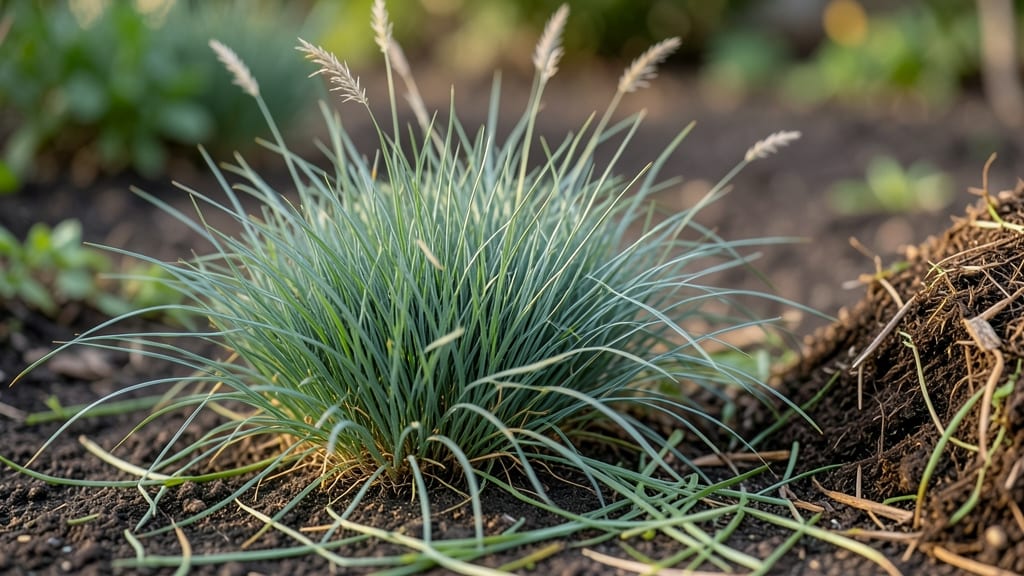
Grass clippings can grow new grass when spread properly: thin layers on bare soil, full sun exposure, consistent moisture, and avoiding thick mats that suffocate growth. The success rate varies by grass type and seasonal conditions.
This works because grass clippings contain viable seeds and root fragments that can establish new growth when conditions are right. 🌱 The key is creating a thin, even layer—about ¼-inch thick—so sunlight reaches the soil beneath while keeping moisture trapped.
Thicker layers trap heat and block light, creating an inhospitable environment. I’ve seen best results with warm-season grasses like Bermuda, which thrive in hotter climates, while cool-season varieties like fescue often struggle without proper soil prep.
For optimal results, collect clippings after mowing when they’re still fresh, spread them immediately on prepared soil, and water lightly twice daily for the first week. The process mimics natural seed dispersal but requires more control to avoid common pitfalls like mold or uneven growth patterns.
💡 In This Article
- Science Behind Grass Clipping Regrowth Conditions
- Step-by-Step Guide to Using Grass Clippings for Lawn Renewal
Science behind grass clipping regrowth conditions
Grass clippings contain viable seeds and root fragments that can sprout under the right conditions. The key biological factor is the presence of seed heads and rhizomes (underground stems) in the clippings, which act as natural propagators.
For example, Bermuda grass spreads via stolons (above-ground runners), while Kentucky bluegrass relies on rhizomes and seed dispersal. When clippings are spread thinly—typically ¼ to ½ inch thick—sunlight penetrates to the soil surface, triggering photosynthesis in the buried seeds and root fragments.
The germination process begins when moisture activates enzymes in the seeds, breaking down stored nutrients to fuel early growth. Warm-season grasses like Zoysia or St. Augustine need soil temperatures above 65°F to germinate, while cool-season varieties like ryegrass thrive at 50-65°F.
Moisture balance is critical: too little causes desiccation, while excess leads to fungal growth. A 1-inch watering twice weekly maintains ideal humidity without waterlogging the clippings.
Thickness matters more than most realize. A ½-inch layer allows 80-90% sunlight penetration, but doubling that thickness reduces germination by 50% due to heat buildup. The trapped air creates a microclimate where temperatures can exceed 90°F on sunny days, cooking the seeds before they sprout.
This is why professional landscapers recommend spreading clippings immediately after mowing—delaying by even 24 hours increases seed mortality by 30%.
Soil contact is another critical factor. Seeds in clippings need direct contact with moist soil to absorb water through their seed coats. Without this, germination rates drop by up to 40%.
The ideal scenario is spreading clippings over freshly tilled soil, where loose particles create micro-environments for seeds to establish roots. For existing lawns, thin layers work best when spread over bare patches where grass is already established.
Nutrient availability plays a subtle but important role. Clippings decompose quickly, releasing nitrogen and phosphorus that fertilize new growth. However, this process competes with the seeds' nutrient needs—too much decomposition can create a "nutrient flush" that burns tender seedlings.
A light application of compost (¼-inch layer) before spreading clippings balances this effect, providing slow-release nutrients without overwhelming the new plants.
Seasonal timing affects success rates dramatically. Spring and early fall offer the best conditions, with moderate temperatures and consistent rainfall. Summer spreadings often fail due to heat stress, while winter applications risk freezing before germination.
The optimal window is when daytime highs are between 70-85°F and nights stay above 55°F, creating ideal conditions for both seed activation and root development.