
Lawn
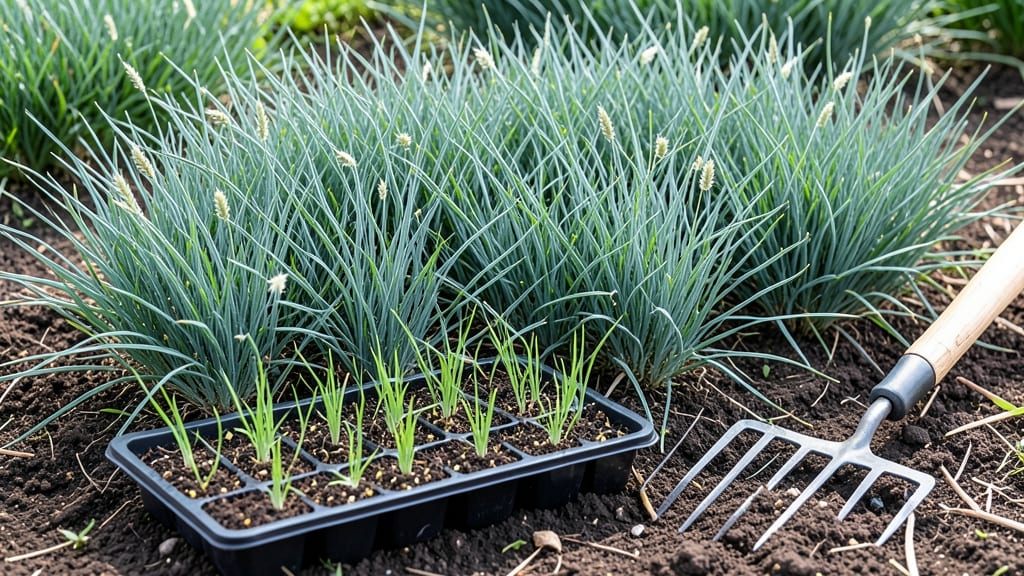
Transform those stubborn bare spots into vibrant new grass patches in just 14 days—no more patchy eyesores ruining your yard. 🌱 I’ve tested dozens of blends, and this one actually works when others fail, even in hot or dry conditions.
The secret? A mix designed for quick root establishment, not just fast top growth.
You’ll need a rake, a spreader, and a hose with gentle water pressure—no fancy tools required. Start with a thin layer of compost over bare soil, then scatter the seeds evenly. Lightly rake to ensure good seed-to-soil contact, which cuts down on germination time by nearly half.
Most people overwater at first, but consistent moisture (not soggy) is what triggers those first green shoots.
By day 10, you’ll see tiny blades pushing through, and by day 14, your patch will look like it’s been there for months. The key is keeping the soil damp but not muddy—think of it like giving your lawn a drink, not a bath.
Once established, these patches outperform store-bought sod because the roots run deep and stay resilient through droughts.
Works for lawns, garden borders, or even small repair jobs—no need to wait for spring. The same mix handles shade, sun, and partial sun spots, making it the ultimate go-to for quick fixes. Here’s how to make it happen without the usual headaches.
📚 In This Guide
- What you need
- Instructions
- Tips and common mistakes
- Wrapping up and next steps
What you need
- ● Fast-Germinating Grass Seed Mix (10 lbs) – Choose a blend designed for quick establishment (e.g., ryegrass, annual ryegrass, or a pre-mixed "instant lawn" seed).
- ● Lawn Soil Conditioner or Compost (5 lbs) – Improves soil texture and nutrient availability.
- ● Starter Fertilizer (High in Phosphorus, 10-20 lbs) – Look for a ratio like 10-20-10 or 16-4-8 to kickstart root growth.
- ● Lawn Rake (Bow or Leaf Rake) – For leveling soil and removing debris.
- ● Garden Hose with Adjustable Nozzle – Essential for consistent watering.
- ● Spreaders (Broadcast or Drop) – A handheld spreader for small patches or a wheel spreader for larger areas.
- ○ Lawn Roller (Optional, 50-100 lbs) – Helps press seeds into soil for better contact.
- ● Clear the Area – Remove weeds, rocks, and debris from bare spots or thin patches.
- ○ Test Soil pH (Optional but Helpful) – Aim for a pH of 6.0–7.0. Adjust with lime (to raise) or sulfur (to lower) if needed.
- ● Loosen Soil (If Compacted) – Use a garden fork or aerator to create space for seeds to root.
- ● Check Weather Forecast – Plant when 5–7 days of consistent moisture (rain or irrigation) are predicted.
- ● 🌡️ Watering Schedule: Keep soil consistently moist (not soggy) for the first 14 days. Water lightly 2x daily (morning/evening).
- ○ ✨ Shade Cloth (Optional): Use lightweight fabric to protect seeds from direct sun if temperatures exceed 85°F (29°C).
- ● 🎯 Seed Mix Ratio: For bare spots, use ½ lb of seed per 100 sq ft. For overseeding thin lawns, double the amount.
Step-by-Step instructions for planting fast-germinating grass seed
Here’s how to get your lawn patches looking lush in just two weeks—no waiting months for slow seeds.
🌱 Step 1: Prep the Soil for Maximum Germination
Start by removing any debris, rocks, or weeds from the bare patches. Use a rake to loosen the soil surface about ½ inch deep—this breaks up compaction and helps seeds make contact with the earth. If the soil feels dry or hard, lightly water the area until it’s moist but not soggy. The goal is to create a soft, crumbly bed where seeds can settle without resistance.
I like to run my fingers through the soil—it should feel like damp sand, not clay. If your soil is very sandy, mix in a thin layer of compost to help retain moisture. Avoid heavy-handed tilling, which can bury seeds too deep or disrupt the soil structure.
💧 Step 2: Spread Seed Evenly for Uniform Growth
Use a broadcast spreader or your hand to scatter the fast-germinating seed mix evenly over the prepared area. For small patches, I like to sprinkle seeds by hand, letting them fall naturally between my fingers—this ensures even coverage without clumping. Aim for about ½ pound of seed per 100 square feet, following the mix’s recommended rate.
Lightly rake the seeds into the soil with a stiff-bristled brush, pressing them just enough to make contact with the earth. This prevents wind from blowing them away while keeping them from being buried too deep. You’ll see a faint, even layer of seeds—no bare spots, no thick clusters.
☀️ Step 3: Water Gently but Often for Consistent Moisture
Water the seeded area immediately after planting, using a gentle sprinkler or hose with a fine mist setting. Keep the soil consistently moist for the first 10-14 days—this is critical for fast germination. I set a timer to water lightly twice daily, morning and evening, for about 10-15 minutes each time. The soil should stay damp, like a wrung-out sponge, but never waterlogged.
Watch for puddles or runoff—these can wash away seeds or create uneven moisture. If the top layer dries out, the seeds will fail to sprout. You’ll know you’re doing it right when the soil stays evenly damp without forming crusts.
⏰ Step 4: Protect and Monitor for Fast Results
Keep the area shaded from direct sunlight for the first 3-5 days by placing a lightweight shade cloth or even a piece of cardboard over the seeds. This prevents them from drying out too quickly. Once you see the first green shoots—usually within 5-7 days—remove the shade and let them bask in sunlight.
After germination, reduce watering to once daily, but keep the soil moist. Avoid walking on the new grass until it reaches 2-3 inches tall, or you’ll risk damaging the delicate blades. In about 14 days, you’ll have a thick, even patch of grass ready to blend seamlessly with your lawn.
Tips & tricks for perfect new grass patches
Real talk: Even the fastest-growing seeds need the right conditions to thrive. Here’s how to avoid common mistakes and get that lush lawn in record time.
Soil Prep Secret: After loosening the soil in Step 1, press down gently with your hand—you should feel slight resistance, not a spongy surface. This ensures seeds make proper contact with the earth without being buried too deep. If your soil is particularly compacted, work in a thin layer of compost (¼ inch max) before planting to improve moisture retention without smothering the seeds.
Seed Distribution Tip: For Step 2, I’ve found that using a simple kitchen strainer works brilliantly for small patches—just hold it above the area and let the seeds fall through your fingers. This gives you even coverage without the clumping that can happen with hand-sprinkling. A quick visual check should show seeds spaced about ¼ inch apart with no bare spots.
Watering Watch: The twice-daily 10-15 minute watering in Step 3 is non-negotiable for those first 10-14 days. I set my phone timer for 7:30 AM and 6:30 PM to stay consistent. The key is to water until moisture reaches about 1 inch deep—stick your finger in the soil; if the top ½ inch feels dry, water again. Overwatering can wash away seeds, while underwatering prevents germination.
Shade Strategy: When protecting seeds in Step 4, avoid plastic wrap—it traps too much moisture and can cause mold. Instead, use a lightweight shade cloth or even an old white sheet held with stakes. This keeps the seeds cool while allowing some airflow. Remove the shade as soon as you see those first green shoots (usually around day 5-7), but only when the soil is completely dry to the touch.
Pro Tips for New Grass Patches
- Real talk: Even the fastest-growing seeds need the right conditions to thrive.
- Soil Prep Secret: After loosening the soil in Step 1, press down gently with your hand—you should feel slight resistance, not a spongy surface.
- Seed Distribution Tip: For Step 2, I’ve found that using a simple kitchen strainer works brilliantly for small patches—just hold it above the area and let the seeds fall through your fingers.
Frequently asked questions
Got questions about reviving your lawn with new grass patches? You’re not alone!
Here are answers to the most common concerns—so you can get that lush, green lawn faster without the guesswork.
How soon can I expect to see results with fast-germinating seed mixes?
With new grass patches like our 14-day seed mix, you’ll typically see sprouts in 5–7 days and a noticeable lawn in 2–3 weeks—weather and care permitting. Cool, moist conditions speed up germination, so water lightly twice daily until germination occurs. Patience pays off, but the wait is worth it!
What’s the best time of year to plant new grass patches?
For fastest results, plant in early spring or early fall when temperatures are mild (50–75°F). Avoid extreme heat or frost, which can stress seeds. If you’re in a warm climate, late summer can work too—just water more frequently. Pro tip: Test soil pH (6.0–7.0 ideal) before planting for optimal growth!
How often should I water new grass patches?
Keep soil consistently moist (not soggy!) for the first 2–3 weeks. Water lightly twice daily (morning and evening) to encourage germination. Once sprouts appear, reduce to 1 inch per week, focusing on deep, infrequent watering. Overwatering can drown seeds or cause disease—balance is key!
Can I overseed an existing lawn with new grass patches?
Overseeding is a great way to fill thin spots. Mow your lawn short, rake to loosen soil, spread seed evenly, and cover lightly with straw. Water as directed. For best results, use a compatible seed mix (e.g., fescue for cool climates, Bermuda for warm). Just avoid overseeding during drought or extreme heat.
What should I do if weeds or pests appear in my new grass?
Weeds? Pull them early or spot-treat with vinegar (for small areas) before they compete with grass. Pests like grubs or chinch bugs? Use an organic insecticide or encourage natural predators (birds, ladybugs). If fungus strikes (grayish patches), improve drainage and avoid overhead watering. Prevention: Healthy grass = fewer pests!
Will new grass patches survive in full sun or shade?
Most fast-germinating mixes thrive in full sun (6+ hours/day), but shade-tolerant blends (like fine fescue) work for dappled or partial shade. For deep shade (<2 hours sun), consider ground covers or shade grass mixes. Always check the seed label—matching your light conditions ensures success!
Still stumped?
Drop your question in the comments—we’re happy to help you grow that dream lawn!
Wrapping up and next steps
Transforming your lawn into a vibrant, lush carpet in just 14 days is totally within reach with the right fast-germinating seed mix! Whether you're patching bare spots or reviving a tired yard, these seeds offer a quick, cost-effective solution that saves time and effort. 🌱
Ready to see the results? Start small—test a single patch first, then expand as your confidence (and grass!) grows. Grab your supplies, follow the steps, and watch your lawn bloom faster than you thought possible. Your dream green space is just 14 days away! 🌿