
Companion Plants
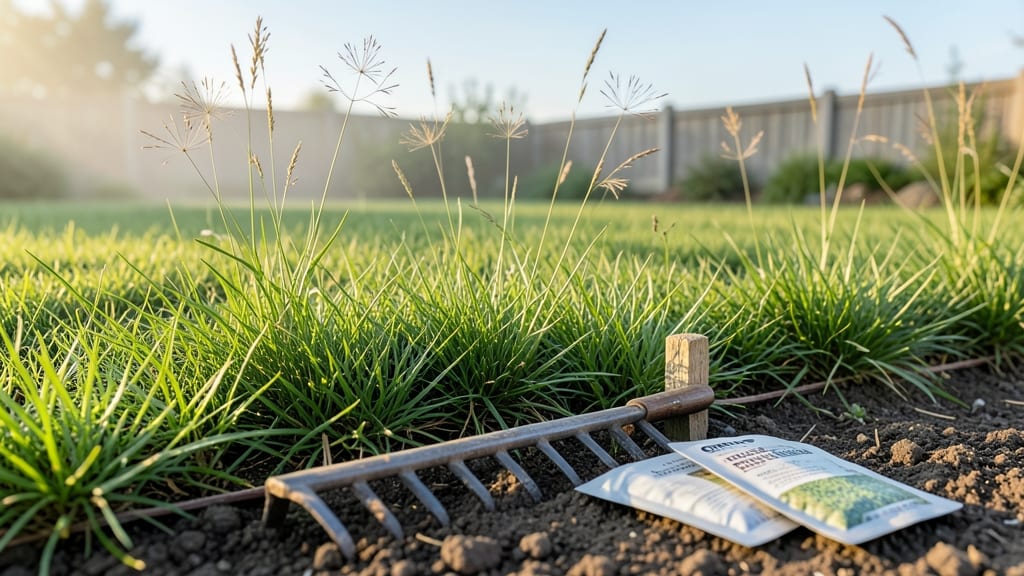
You can plant grass seed in the spring when soil temperatures hit 50°F–65°F—the sweet spot for fast germination and a thick, green lawn.
Timing your grass seed planting in spring can mean the difference between a lush, green lawn and months of patchy disappointment—soil temperature is the secret weapon most gardeners overlook.
In cooler climates like USDA Zone 6a, aim for early spring planting (4–6 weeks before the last frost), while warmer regions can wait until late spring when the ground thaws and stays consistently warm.
Below, I’ll break down the exact soil temps to watch for, how to test them, and the simple prep steps that make all the difference for fast establishment.
Ideal soil temperatures for spring grass seed germination by region
Spring lawns start with the right soil temperature, not just the calendar date. Cool-season grasses like tall fescue and Kentucky bluegrass thrive when soil hits 50°F–65°F, while warm-season types such as Bermuda and Zoysia need 65°F–75°F to sprout reliably.
Your region’s USDA zone and microclimate shift these windows dramatically—planting too early in cold zones risks frost damage, while late starts in the South can stress seedlings.
Northern gardeners (Zones 3–6) should aim for late April to early May, aligning with 4–6 weeks before last frost. Southern zones (7–10) can start as early as February–March, but must wait for soil to warm above 60°F to avoid fungal issues.
Even a 10°F swing can delay germination by weeks—so check soil temps, not just air temps.
Here’s how to match your region to the perfect planting window, with soil temperature thresholds and frost risk factors included:
In USDA Zones 3–6, cool-season grasses like tall fescue germinate fastest at 55°F–60°F, but planting too early (before 45°F) risks frost heaving or seed rot. Use a soil thermometer to confirm temps—air temps can mislead by 10°F or more.
Pro tip: In Zone 5, aim for May 1–15 for foolproof results, even if your neighbor starts in April.
Southern zones (7–10) can plant warm-season grasses like Bermuda as early as February, but avoid 75°F+ soil—it dries seeds out. Instead, wait for 65°F–70°F and pair with daily watering to keep moisture consistent.
In Florida (Zone 10), some gardeners even plant in late fall to escape summer heat stress.
Microclimates complicate things further. A south-facing slope warms 5–10°F faster than a shaded yard—test soil temps in multiple spots. Shady areas may need cool-season grasses even in warm zones. For example, fine fescue thrives in 50°F–65°F and tolerates partial shade, making it ideal for Zone 7b yards with tree cover.
Adjust your planting date if unpredictable weather looms. A 5-day forecast of 40°F nights after sowing? Wait another week. Use mulch or frost cloth to protect seedlings if early frosts threaten.
In Zone 6, I’ve seen Kentucky bluegrass fail when planted in early April but thrive when delayed to mid-May—soil temp was the difference.
Remember: Germination speed doubles when soil hits 60°F vs. 50°F. Cool-season grasses may take 14–21 days at 50°F but only 7–10 days at 60°F. Warm-season types like Zoysia need 70°F+ to sprout in 7–14 days. Track progress with a germination log to refine future timing.
For nor
How to test soil temperature and prepare for planting
Getting your soil temperature just right is the secret to fast grass seed germination in spring. Most gardeners wait for the "right time" but miss the critical 50°F–65°F window where seeds wake up and grow.
Without testing, you risk planting too early (and losing seeds to frost) or too late (and inviting weeds). I’ve learned the hard way—skipping this step can delay your lawn by weeks!
Before you grab your seed bag, check your local last frost date and adjust your planting window. For cool-season grasses (like tall fescue or Kentucky bluegrass), aim for 4–6 weeks before frost.
Warm-season grasses (like Bermuda or Zoysia) need to wait until soil hits 65°F–75°F, usually after Memorial Day in most regions.
A soil thermometer (digital or dial) costs $10–$20 and saves you from guesswork. Insert it 2–4 inches deep—this is where seeds will germinate.
Check temperatures at 10 AM and 4 PM for accuracy. If temps hover between 50°F–65°F consistently, it’s time to plant.
If a cold snap is predicted, delay planting. Use a frost cloth to protect seedlings if you must plant early.
Rake the area to remove debris and loosen the top 1/4 inch of soil. For compacted lawns, aerate 2–4 weeks before planting.
Water the area 24 hours before planting to ensure seeds stay hydrated. Aim for 1 inch of moisture in the top 6 inches of soil.
Spread seeds evenly, then lightly cover with 1/4 inch of soil. Use a starter fertilizer (like 10-10-10) to boost early growth.
Pro tip: If your soil feels too dry, water it again right after planting. Seeds need consistent moisture to germinate—think of it like giving them a drinking straw to the water below. Use a spray nozzle to avoid washing seeds away.
Once planted, keep the soil moist (not soggy) for the first 2–3 weeks. You’ll see sprouts in 7–21 days, depending on the grass type and weather. If germination slows, check for uneven moisture or shade issues—both can stall growth.
Remember, soil temperature is your best friend in spring planting. A few minutes with a thermometer now can save you hours of frustration later. Happy planting—your lawn will thank you! 🌱