
Tools
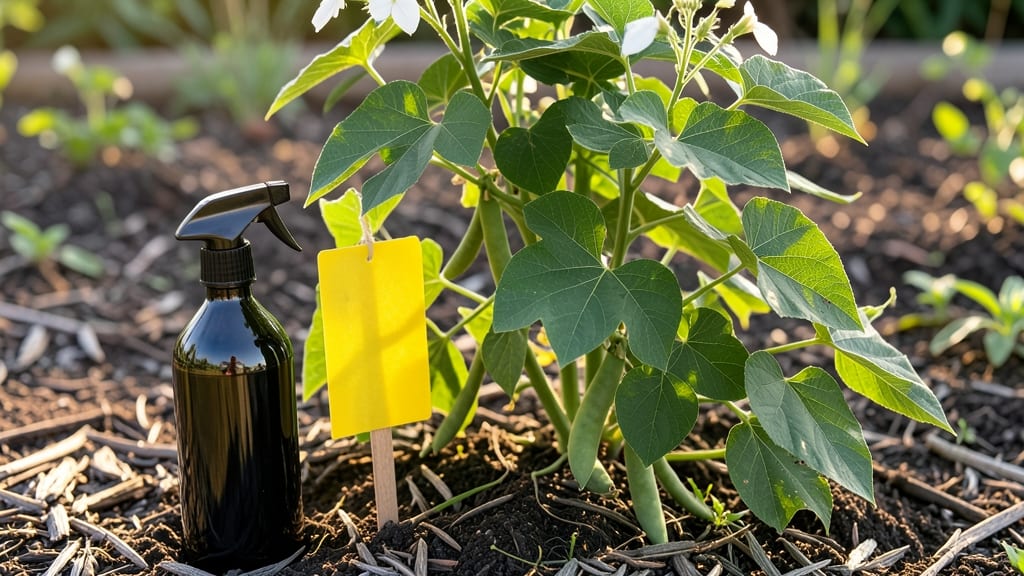
Eliminate grasshoppers in your garden before they can turn it into a skeleton of chewed leaves in days—I’ve battled them for years, and the key isn’t just killing them, it’s stopping them before they even arrive.
The right barriers and habitat tweaks make all the difference, saving your plants without harming bees or butterflies. Most people spray chemicals too late, when the damage is done. Instead, focus on physical barriers like row covers or copper tape, which grasshoppers hate.
Add native plants like marigolds or basil—their strong scents confuse jumpers, and they attract predator birds that eat the pests naturally. By combining these tricks, you’ll see fewer hoppers within 2-3 weeks, and your veggies will stay lush. The best part?
No toxic sprays, just smarter garden design that works year after year. Works for veggie patches, flower beds, and even lawn edges. Let’s keep those jumpers out for good!
The Real Culprits Behind Grasshopper Infestations
Grasshoppers don’t just appear in your garden out of nowhere—they’re drawn by specific conditions that turn your outdoor space into an all-you-can-eat buffet. Understanding these triggers is the first step to reclaiming your plants and soil.
Below, we break down the science-backed reasons why your garden becomes a grasshopper hotspot, so you can address the root causes with precision.
Grasshoppers are herbivores, and they’re very picky eaters—especially when it comes to tender, nutrient-rich plants. Your garden might be a grasshopper magnet if it’s overrun with their favorite meals:
- Grasses & Grains: Tall grasses (like fescue or Bermuda), wheat, corn, and oats are grasshopper staples. These plants provide both food and shelter for nymphs (baby grasshoppers) and adults. - Legumes & Vegetables: Beans, peas, alfalfa, and leafy greens (spinach, lettuce) are high-protein feasts for grasshoppers.
A single adult can devour half its body weight daily—so a small garden can disappear fast! - Weeds & Wild Plants: Dandelions, clover, and pigweed aren’t just nuisances—they’re grasshopper condos. Weeds often host eggs over winter, and their soft stems are easy pickings for hungry hoppers.
Why it matters: Grasshoppers don’t just like these plants—they’re chemically attracted to their volatile organic compounds (VOCs), which signal fresh, nutritious growth. If your garden is a monoculture (one type of plant), you’re basically serving an endless salad bar.
Grasshoppers thrive when their predators are scarce. In a balanced ecosystem, birds, spiders, parasitic wasps, and even certain fungi keep their populations in check. But modern gardening often disrupts this harmony:
- Pesticide Overuse: Broad-spectrum insecticides (like neonicotinoids or pyrethroids) kill grasshoppers and their predators—birds, ladybugs, and ground beetles—leaving your garden defenseless.
- Habitat Loss: Removing brush piles, leaf litter, or rocky edges eliminates hiding spots for predators like American robins (which eat 100+ grasshoppers/day) or spider species that ambush them.
- Monoculture Landscaping: Gardens with only flowers or vegetables lack biodiversity, reducing the variety of predators that can control grasshopper populations.
Why it matters: Without natural checks, grasshopper populations explode. A single female can lay 200–300 eggs in a season, and with no birds to snack on the nymphs, your plants become a free-for-all.
Grasshoppers are cold-blooded insects, and their activity skyrockets when temperatures rise. Here’s how climate plays a role:
- Heat Loves Grasshoppers: Temperatures above 75°F (24°C) trigger rapid growth and reproduction. Drought-stressed plants (wilted, yellowing, or stunted) are even more appealing because they’re easier to chew. - Low Humidity: Grasshoppers prefer dry conditions because moisture makes their exoskeletons brittle.
If your garden is parched, you’re basically handing them a welcome mat. - Early Spring Warmth: Unseasonably warm winters can trick grasshoppers into emerging early, giving them a head start on devouring your spring crops.
Why it matters: Climate change is extending grasshopper seasons. In some regions, nymphs now hatch 2–4 weeks earlier than they did 30 years ago, meaning more time to munch.
You might not see them, but grasshopper eggs are everywhere—and they’re the silent invaders waiting to hatch. Here’s how they sneak into your garden:
- Overwintering Eggs: Female grasshoppers bury their eggs 1–4 inches deep in soil, often near host plants, in late summer or fall.
These eggs can survive 1–2 years in dormancy, waiting for the perfect conditions to hatch. - Tillage & Disturbance: Turning soil with a shovel or tiller can accidentally trigger hatching by exposing eggs to warmth and moisture.
This is why grasshoppers seem to appear overnight in spring. - Watering Patterns: Overwatering or poor drainage can create pockets of moisture where eggs thrive. Grasshoppers prefer soil with 10–30% moisture—too dry, and they won’t hatch; too wet, and they drown.
Why it matters: One egg pod can contain 10–50 eggs, and if left undisturbed, they’ll emerge as nymphs ready to feast. Breaking the egg cycle is key to long-term control.
Sometimes, well-meaning gardening practices make grasshopper problems worse. Here’s how:
- Compost & Mulch: Grasshopper eggs can hitchhike in unheated compost piles or straw mulch.
If you source these materials from infested areas, you’re bringing the problem home. - Wind & Water Movement: Grasshoppers are strong fliers (up to 12 mph) and can be blown into gardens by wind.
Even flood irrigation can carry nymphs from one area to another. - Neglected Edges: Untended garden borders, fields, or even your neighbor’s lawn can be grasshopper reservoirs. If they’re not treated, your efforts will be futile.
Why it matters: Grasshoppers don’t respect property lines. A single infestation in a nearby field can doubly your problem within weeks.
Want to know if your garden is a grasshopper buffet?
Run this quick audit: ✅ Do you have tall grasses, weeds, or legumes? → High-risk food source. ✅ Have you used pesticides recently? → Predators may be missing. ✅ Is your soil dry and cracked? → Perfect egg-hatching conditions. ✅ Are there few birds or spiders? → Natural control is weak. ✅ Did you till recently? → You may have triggered egg hatches.
If you answered yes to 3+, your garden is likely a grasshopper haven—and that’s why they’re moving in. The good news? Now that you know the why, you can flip the script with targeted solutions.
Natural Ways to Stop Grasshoppers
Grasshoppers may seem harmless, but they can quickly turn your garden into a buffet zone, stripping plants of leaves and leaving behind a trail of destruction. The good news?
You don’t need harsh chemicals to keep them at bay. Instead, try these effective, eco-friendly solutions tailored to the root causes of your grasshopper problem.
Grasshoppers thrive in tall, dense vegetation where they can hide and multiply. If your garden is a jungle, they’ll treat it like a five-star hotel.
How to Fix It:
- 🔪 Trim regularly – Mow lawns and trim weeds to no more than 6 inches tall. This removes their hiding spots and makes your garden less inviting.
- 🌿 Clear debris – Rake up fallen leaves, branches, and plant litter where grasshoppers lay eggs. Store debris in sealed bins or compost it away from the garden.
- 🌱 Space plants properly – Overcrowded gardens give grasshoppers easy access to multiple food sources. Follow plant spacing guidelines to improve airflow and reduce infestations.
💡 Pro Tip: Keep a 5-foot bare soil strip around garden edges. Grasshoppers dislike walking on open ground, making it harder for them to invade.
Grasshoppers hate strong scents and textures that irritate their bodies. These non-toxic repellents disrupt their feeding habits without harming beneficial insects.
How to Fix It:
- 🍋 Citrus and garlic spray – Blend peels of 4 lemons, 4 garlic cloves, and 1 quart of water. Strain, add a drop of dish soap, and spray on plants. Reapply every 3–5 days.
- 🌶️ Chili pepper spray – Mix 2 tbsp cayenne pepper, 1 quart of water, and a few drops of soap. Spray directly on grasshoppers or near entry points. The capsaicin burns their exoskeletons.
- 🌿 Plant deterrents – Surround vulnerable plants with marigolds, basil, mint, or catnip. These emit scents grasshoppers avoid.
- 🧴 Diatomaceous earth (DE) – Sprinkle food-grade DE around plant bases and along garden edges. It’s a natural abrasive that dehydrates grasshoppers. Reapply after rain.
⚠️ Warning: Avoid poisonous chemicals—they can harm bees, butterflies, and other pollinators.
Nature’s pest control is often the most effective way to eliminate grasshoppers long-term. Encourage their natural enemies to move in.
How to Fix It:
- 🐸 Attract frogs and toads – Install a small water feature (like a shallow dish with rocks) to draw them in. They devour hundreds of grasshoppers daily.
- 🐞 Invite birds – Set up bird feeders or nesting boxes for insect-eating species like robins, sparrows, and swallows.
- 🕷️ Support spiders – Avoid disturbing spider webs, especially in grassy areas. Spiders are grasshopper hunters.
- 🐍 Encourage lizards – Provide flat rocks or logs where lizards can bask. They’re quick and efficient at catching grasshoppers.
💡 Pro Tip: Plant native flowers like milkweed or coneflowers to attract beneficial insects that prey on grasshoppers.
Sometimes, the best defense is a physical block. These simple barriers make it hard for grasshoppers to reach your plants.
How to Fix It:
- 🧶 Row covers – Use lightweight fabric row covers over young plants. Secure edges with bricks or soil to prevent grasshoppers from crawling underneath.
- 🧴 Copper tape – Wrap copper tape around plant stems. Grasshoppers dislike the mild electric shock it gives off when they touch it.
- 🪴 Raised beds with fine mesh – If grasshoppers are relentless, build elevated beds and cover them with hardware cloth (¼-inch mesh).
- 🌿 Mulch strategically – Apply wood chips or straw mulch around plants. Grasshoppers avoid walking on rough textures.
⏰ Best Time to Act: Install barriers before grasshoppers become active (usually in late spring to early summer).
The key to long-term grasshopper control is proactive prevention. Once you’ve eliminated the current problem, keep these tips in mind:
- 🌱 Rotate crops – Grasshoppers target the same plants repeatedly. Change plant locations yearly to disrupt their feeding patterns. - 🌿 Monitor egg-laying sites – In late summer/fall, check for small egg pods in soil cracks or thatch.
Destroy them by tilling or hand-picking. - 🌡️ Time your planting – Grasshoppers are most active in hot, dry weather.
Plant heat-tolerant varieties or use shade cloth during peak hours. - 📅 Set traps early – If grasshoppers are a recurring issue, place commercial traps (like pheromone baits) in May–June before they multiply.
Final Thought: Grasshoppers may be persistent, but with a mix of repellents, predators, and barriers, you can reclaim your garden naturally. Start with one or two methods, observe what works best, and adjust as needed. Your plants—and your peace of mind—will thank you!
Frequently asked questions
How soon will I see results after using natural repellents?
Most natural methods like citrus sprays or diatomaceous earth show noticeable improvement within 3-7 days, though full control may take 2-3 weeks. The key is consistency—reapply sprays every 3-5 days and refresh barriers like copper tape seasonally. For predator-based solutions (birds, frogs), it can take 4-6 weeks to establish a balanced ecosystem.
Can I use dish soap to kill grasshoppers directly?
While dish soap can help with homemade sprays (like the citrus-garlic mix), it won’t kill grasshoppers on contact—it’s more about disrupting their exoskeletons when they land on treated plants. For direct elimination, focus on hand-picking (drop them in soapy water) or using chili pepper spray, which contains capsaicin that burns their bodies immediately. Always test sprays on a small plant area first.
Will grasshoppers come back next year if I eliminate them this season?
Yes, but you can break their life cycle! Grasshoppers lay eggs in late summer/fall, so tilling or removing thatch in October-November destroys overwintering eggs. Combine this with early spring barriers (like row covers) and predator attraction—birds and frogs will handle new hatchlings naturally. The first year is hardest, but with these steps, infestations typically drop by 70-90% in subsequent years.
Are there any plants that actually attract grasshoppers I should avoid?
Absolutely—grasshoppers love alfalfa, clover, sunflowers, and tall grasses like fescue. Even some vegetables (beans, peas, corn) act as magnets. If you’re battling them, replace these with grasshopper-repellent plants like marigolds, basil, mint, or catnip. For sunflowers, consider dwarf varieties (12-18 inches tall) that are harder for them to reach.
How do I know if my grasshopper problem is severe enough for professional help?
Consider professional intervention if you’re seeing more than 50 grasshoppers per square yard, if 50%+ of your plants are being defoliated, or when natural methods fail after 6 weeks. Look for yellowing leaves, skeletonized plants, or nymphs swarming—these are red flags. Professionals use biological controls (like nematodes) or targeted sprays that won’t harm pollinators, but expect to pay $150-$400 for treatment.