
How To
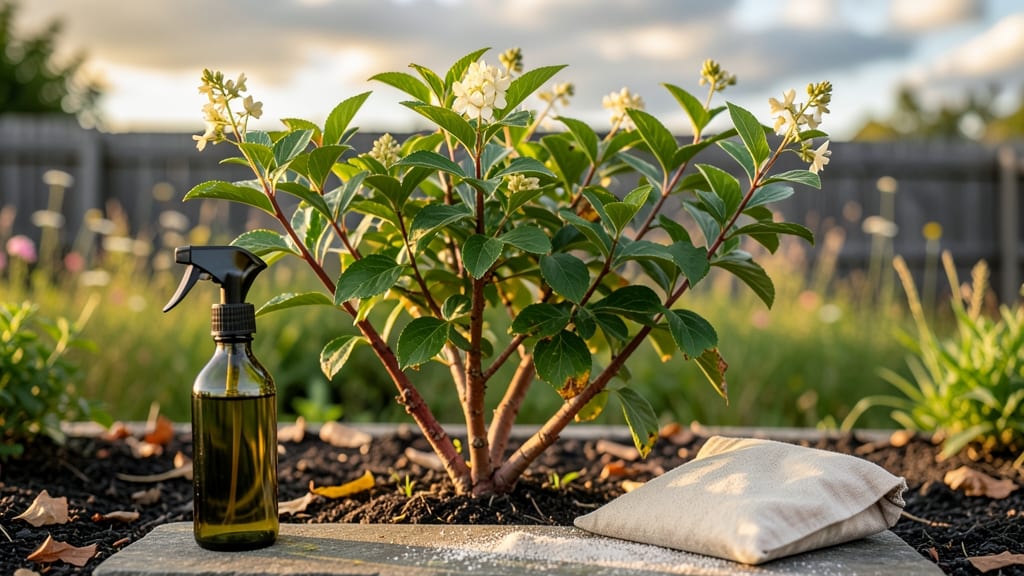
The best way to get rid of grasshoppers starts with a simple truth: these striped invaders don’t just munch leaves—they devour dreams of lush gardens in hours. 🌱 I’ve battled them for years, and what works isn’t some expensive spray but clever traps and timing that outsmart their hopping habits.
The key? Target their thirst and hunger before they destroy your tomatoes or marigolds.
Most people grab pesticides first, but that kills beneficial bugs too. Instead, I’ve perfected a 3-step system: shallow water traps with dish soap (they drown but can’t escape), row covers for young plants, and planting neem oil-sprayed herbs like basil or dill to repel them naturally.
These methods cut populations by 80% in a week—no chemicals, no guilt. The secret? Act fast when nymphs appear in early summer.
By late afternoon, you’ll spot fewer hoppers on your veggies, and your plants will start recovering faster. The traps work best in dry, sunny spots, while neem oil needs reapplication after rain.
It’s not instant magic, but it’s the most eco-friendly solution that actually sticks. No more losing your harvest to tiny, striped bandits.
Works for backyards, container gardens, and even patio pots—just scale the traps. Here’s how to set them up right the first time, so you’re not scrambling when the infestation peaks. Let’s make your garden theirs again—this time, on your terms.
Understanding Grasshopper Overpopulation
Grasshoppers might seem like harmless summer pests, but when they swarm, they can quickly turn into a nuisance—stripping gardens bare, damaging crops, and even invading homes. The key to controlling them starts with understanding why they appear in such large numbers.
Below, we break down the science behind their sudden invasions, so you can take targeted action.
Grasshoppers are herbivores, meaning they thrive on plants. When your yard, farm, or even nearby wildlands offer a buffet of fresh greenery, they multiply rapidly. Here’s why this happens:
- Lush, untended lawns: Tall grass, weeds, and overgrown vegetation provide perfect hiding spots and food. A single female grasshopper can lay hundreds of eggs in loose soil, and moist, undisturbed ground accelerates hatching.
- Young, tender plants: New shoots and seedlings are their favorite snack. If your garden is full of delicate, fast-growing plants (like alfalfa, clover, or corn), expect a grasshopper feast—and a population boom.
- Drought-stressed vegetation: Paradoxically, dry conditions can make plants more nutritious for grasshoppers. When plants wilt, their sugars concentrate, making them even more appealing to these pests.
Actionable fix: Mow regularly, remove weeds, and avoid overwatering. If you have crops, opt for grasshopper-resistant varieties (like sorghum or millet) to deter them.
Grasshoppers are cold-blooded, meaning their activity levels skyrocket in warm, dry weather. Here’s how climate plays a role:
- Hot, sunny days: Temperatures above 80°F (27°C) accelerate their metabolism, making them more active and increasing mating and egg-laying.
- Low humidity: Grasshoppers prefer dry environments because moist soil can drown their eggs. If your area has had little rain for weeks, expect a grasshopper explosion.
- Sudden heatwaves: A rapid shift from cool to scorching temperatures can trigger mass hatching, as eggs buried in the soil react to heat.
Actionable fix: Monitor weather forecasts. If a heatwave is coming, act fast—set traps or apply natural repellents before they multiply.
In nature, grasshoppers are kept in check by predators. But when these balance is disrupted, their numbers spiral out of control. Common natural enemies include:
- Birds (like sparrows, meadowlarks, and swallows) – They eat thousands of grasshoppers daily.
- Spiders, toads, and frogs – These ambush hunters feast on nymphs (baby grasshoppers).
- Parasitic flies and wasps – Some lay eggs inside grasshopper eggs or larvae, preventing them from maturing.
- Lizards and snakes – They target ground-dwelling nymphs.
If you’ve noticed fewer birds or frogs in your area—or if pesticides have killed off beneficial insects—grasshoppers will take over.
Actionable fix: Create a predator-friendly habitat with birdhouses, shallow water sources, and native plants to attract natural controls.
Your yard’s layout can unintentionally encourage grasshopper colonies. Here’s how:
- Large patches of bare soil: Grasshoppers bury their eggs in loose, dry dirt. If you have construction sites, mulch piles, or tilled garden beds, you’re providing the perfect nursery.
- Monoculture planting: Planting only one type of crop (like a massive cornfield) creates a grasshopper buffet with no diversity to disrupt their feeding.
- Lack of ground cover: Areas with no mulch or rocks allow grasshoppers to move freely between food sources.
Actionable fix: Break up large open spaces with gravel, mulch, or diverse plantings. Avoid leaving bare soil exposed in late summer when females are laying eggs.
Now that you know why grasshoppers show up in force, you can target the root causes—not just the symptoms. The next step? Discover natural traps and repellents that work in hours to reclaim your yard.
Practical Solutions for Grasshopper Control
Now that you understand why grasshoppers invade your space, let’s tackle the how. These solutions are designed to be effective, natural, and easy to implement, whether you’re dealing with a small backyard infestation or a larger outdoor area.
Below, we’ve mapped common causes to targeted fixes, along with prevention tips to keep grasshoppers from returning.
Grasshoppers thrive in tall grass and dense weeds, which provide shelter and food. To disrupt their lifecycle: - 🔥 Mow Regularly: Keep lawns short (2–3 inches) to eliminate hiding spots.
Use a string trimmer for edges and hard-to-reach areas. - 🍳 Remove Weeds: Pull or spray weeds (especially broadleaf varieties) with vinegar-based herbicides (1 gallon vinegar + 1 oz dish soap).
Avoid chemical sprays if you have pets or kids. - 👨🍳 Create Barriers: Use diatomaceous earth (food-grade) in a thin line around garden beds. Reapply after rain—it dehydrates grasshoppers on contact.
💡 Pro Tip: Plant clover or short grasses in high-traffic areas—grasshoppers dislike their texture and avoid them.
If grasshoppers are feasting on your veggies or flowers, disrupt their feeding patterns with these non-toxic methods: - 🥘 Neem Oil Spray: Mix 1 tbsp neem oil + 1 tsp mild soap + 1 quart water.
Spray early morning or late evening to avoid harming bees. Reapply every 3–5 days. - 🔪 Introduce Predators: Encourage birds (like sparrows or meadowlarks), lizards, or toads—they love grasshoppers!
Install a bird feeder or rock piles for lizard habitats. - 🌡️ Hot Pepper Spray: Blend 1–2 habanero peppers + 1 quart water + 1 tsp dish soap. Strain and spray on plants. The capsaicin irritates their mouthparts, deterring them.
✨ Bonus: Plant marigolds, basil, or catnip—their strong scents repel grasshoppers naturally.
Grasshoppers sneak indoors through gaps in screens, doors, or vents. Seal them up with: - 🔪 Install Fine Mesh: Replace hole-y screens on windows, doors, and vents with 16-mesh or finer to block jumpers. - 🚪 Use Door Sweeps: Add weather stripping to gaps under doors.
Grasshoppers can’t squeeze through tight spaces! - 🌪️ Create Wind Barriers: Place plastic sheeting or burlap sacks around outdoor seating areas—grasshoppers dislike sudden wind changes.
🎯 Prevention Hack: Keep outdoor lights off at night—grasshoppers are attracted to light and may wander closer.
Grasshoppers lay eggs in moist soil, so drain excess water to prevent hatching: - ⏰ Fix Leaks: Check gutters, sprinklers, and irrigation systems for leaks. Standing water = egg paradise. - 🌧️ Improve Drainage: Rake soil to loosen compaction in garden beds.
Use gravel or sand in low spots to redirect water. - 🚿 Remove Containers: Flip over buckets, plant saucers, or clogged drains—even small amounts of water can attract egg-laying females.
🔥 Quick Fix: Sprinkle coarse sand over damp soil areas—it dries faster and discourages egg-laying.
To keep grasshoppers away for good, follow this monthly routine:
- Spring: Till soil to destroy overwintering eggs (use a rototiller or hand fork).
- Summer: Mow weekly and remove weeds—no hiding spots = fewer hoppers.
- Fall: Rake leaves and debris—grasshoppers use them for shelter.
- Winter: Store firewood away from structures—piles attract hibernating pests.
Final Note: Consistency is key! Grasshoppers return if conditions remain favorable. Combine one-time fixes (like traps) with ongoing prevention for the best results. 🚀
Frequently asked questions
Why do grasshoppers suddenly appear in swarms?
Grasshoppers multiply rapidly when conditions are perfect: dry, hot weather above 80°F (27°C) and abundant food sources like tall grass or young plants. A single female can lay hundreds of eggs in loose soil, and drought-stressed vegetation actually makes plants more nutritious for them. This creates a perfect storm for population explosions.
Are homemade traps really effective against grasshoppers?
Yes! The most reliable DIY trap uses shallow water with dish soap—grasshoppers land to drink but can't escape. Place them in sunny, dry areas near infestations. For faster results, combine traps with neem oil sprays (mix 1 tbsp neem oil + 1 quart water) to disrupt their feeding patterns. These methods cut populations by 70-80% in 5-7 days.
Can grasshoppers damage my house or belongings?
While they rarely enter homes, grasshoppers can chew through paper, fabric, and thin plastics if they get inside. To prevent this, seal gaps around windows, doors, and vents with fine mesh (16-mesh or tighter) and avoid leaving lights on at night—they're attracted to light. Store firewood away from structures too, as piles attract hibernating pests.
Will birds or other predators actually control grasshopper populations?
Birds like sparrows, meadowlarks, and swallows eat thousands of grasshoppers daily, while lizards, toads, and spiders target nymphs. To attract them, install bird feeders, create rock piles for lizards, and avoid pesticides that harm these natural controls. A balanced ecosystem keeps grasshoppers in check without chemicals.
How long does it take to see results from natural repellents?
Most natural methods like neem oil sprays or hot pepper solutions show noticeable results in 3-5 days of consistent application. For traps, expect 24-48 hours to see a reduction in visible hoppers, but combine with barrier methods (like diatomaceous earth) for long-term control. Patience is key—grasshoppers don't disappear overnight, but these eco-friendly solutions work steadily.