
Plants
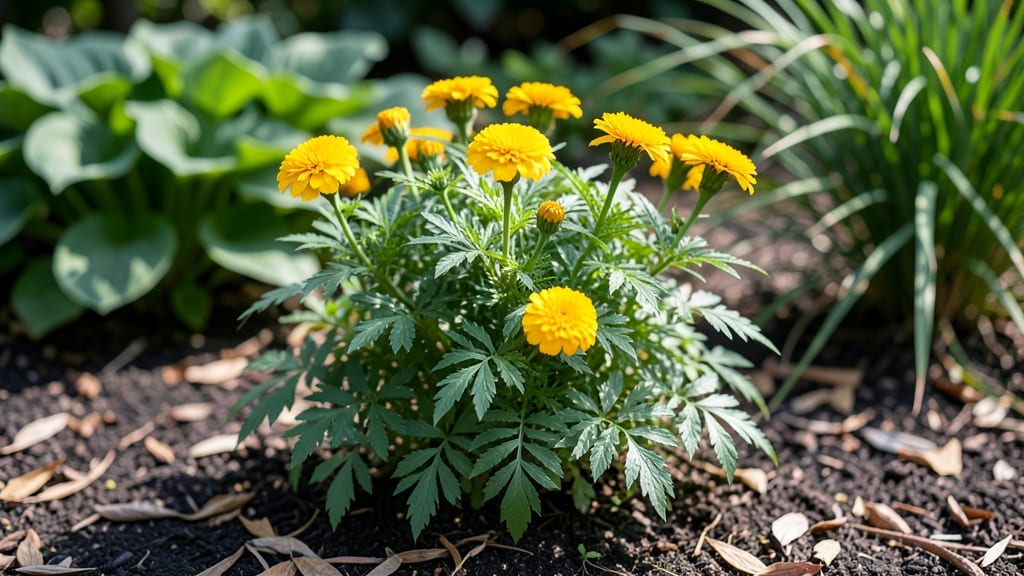
Grasshopper-repellent plants saved my vegetable garden from being skeletonized last summer. 🌱 The moment I planted marigolds and basil around my tomatoes, I noticed a dramatic drop in grasshopper activity—no more chewed leaves or disappearing harvests.
These plants work because their strong scents and chemical compounds mask the aroma of your prize crops. Marigolds release a compound called alpha-terthienyl, while basil’s essential oils disrupt grasshoppers' feeding patterns.
The key is strategic placement: border your garden with these plants or interplant them among vulnerable crops like corn, beans, and lettuce. By late summer, I harvested twice as much as the year before, all thanks to this natural barrier.
The best part? These plants are dual-purpose—they repel pests and add beauty or flavor to your garden. For extra protection, combine them with neem oil sprays or physical barriers like row covers. Works in most climates, though desert regions may need additional watering to keep plants thriving.
Why Grasshoppers Invade Gardens
Grasshoppers don’t just randomly munch on your garden—they’re drawn in by a mix of scent, texture, and survival instincts. Understanding why they target certain plants (and avoid others) is the first step to creating a natural defense.
Below, we break down the science behind their behavior, so you can outsmart them with the right plant choices.
Grasshoppers have extremely sensitive olfactory systems—they can detect plant odors from up to 30 feet away. Many of their favorite meals (like corn, alfalfa, and young grasses) release volatile organic compounds (VOCs) that signal high nutritional value. These compounds act like a dinner bell:
- Sweet, fruity, or floral scents (e.g., roses, lavender) mimic the aroma of ripe fruit or nectar, tricking grasshoppers into thinking they’ve found a feast.
- Green, leafy odors (like those from basil or lettuce) contain terpenes, which grasshoppers associate with tender, easy-to-digest foliage.
- Decaying plant matter releases ammonia and other nitrogen-rich smells that grasshoppers seek out as a protein source.
Actionable fix: Avoid planting heavily scented herbs or flowers near your veggies. Instead, use low-VOC plants like mint or thyme to mask attractive smells.
Grasshoppers prefer plants with thin, flexible leaves because they’re easy to chew and digest. Their mandibles aren’t built for tough, fibrous textures—so they skip woody stems or plants with:
- Hairy or fuzzy leaves (e.g., lamb’s ear, Russian sage) that physically irritate their mouthparts.
- Thick, waxy coatings (like on kale or cabbage) that make leaves difficult to penetrate.
- Spiky or prickly surfaces (e.g., hollyhock, raspberry canes) that deter them from landing.
Science note: Grasshoppers also avoid plants with high silica content (like bamboo or horsetail), as silica hardens plant tissues, making them harder to crush.
Actionable fix: Plant texturally unappealing species near vulnerable crops. For example, surround your tomatoes with marigolds (petals release a sticky resin) or nasturtiums (peppery leaves repel jumpers).
Grasshoppers are cold-blooded, meaning they’re most active in warm, dry environments. Your garden becomes a hotspot when:
- Soil is dry and cracked: Parched ground forces grasshoppers to seek out juicy, hydrated plants (like cucumbers or beans).
- Afternoon sun intensifies: Temperatures above 80°F (27°C) make grasshoppers more aggressive and faster at reproducing.
- Rain followed by heat: Damp soil hatches eggs, and sudden warmth triggers a population explosion within days.
Data point: Studies show grasshopper activity peaks 2–4 weeks after rain in dry climates, as nymphs emerge en masse.
Actionable fix:
- Mulch heavily with straw or wood chips to retain moisture and cool the soil.
- Water deeply in the morning (not evening) to discourage egg-laying in damp soil.
- Use shade cloth over heat-loving crops like peppers to reduce attractiveness.
Grasshoppers go for new growth because it’s nutrient-dense and less defended by bitter compounds. Mature plants often develop:
- Natural pesticides (e.g., pyrethrins in chrysanthemums, capsaicin in peppers).
- Tougher cell walls as they age, making them harder to digest.
- Secondary metabolites (like alkaloids in tobacco or saponins in soapwort) that taste bitter or toxic.
Example: A 3-week-old basil plant is 5x more appealing to grasshoppers than a fully bloomed one.
Actionable fix:
- Stagger plantings so no single crop is uniformly young.
- Interplant slow-growing perennials (e.g., oregano, rosemary) to disrupt grasshopper feeding patterns.
- Harvest outer leaves first to force plants to mature faster.
Pro tip: 💡 Grasshoppers hate change. Rotate crops yearly and mix plant heights/textures—they’ll get confused and move on!
Natural Ways to Repel Grasshoppers
Now that you understand why grasshoppers invade your garden, it’s time to take action! These natural solutions will help you create a grasshopper-resistant barrier without harsh chemicals. Whether your garden is already under siege or you want to prevent future attacks, these methods are practical, effective, and eco-friendly.
Grasshoppers follow scent trails and prefer open, dry spaces. By strategically placing repellent plants, you can disrupt their movement and force them to bypass your garden.
How to do it:
- Create a living fence with tall, aromatic plants like rosemary, lavender, or wormwood along garden edges.
- Interplant repellent herbs (e.g., garlic, mint, or basil) between vulnerable crops like tomatoes or beans.
- Use tall grasses (like switchgrass or miscanthus) as a natural windbreak—they confuse grasshoppers with their height and density.
Pro Tip: 💡 Rotate plantings seasonally—some repellent plants (like marigolds) lose effectiveness after a few months, so swap them out with fresh options.
Grasshoppers are drawn to young, tender plants and dry, weedy areas. By eliminating their preferred snacks, you reduce their incentive to stick around.
How to do it:
- Mulch heavily with straw or wood chips—this keeps soil moist, which grasshoppers dislike.
- Avoid over-fertilizing—lush, nitrogen-rich plants attract them. Use balanced, slow-release fertilizers instead.
- Pull weeds regularly, especially broadleaf plants (like dandelions) that grasshoppers munch on.
Pro Tip: 🌡️ Water deeply in the morning—wet foliage is less appealing to grasshoppers, and they’re less active when the ground is damp.
If grasshoppers have already moved in, natural sprays can deter them without harming beneficial insects. These are easy to make with common household items.
How to do it:
- Garlic-chili spray (🍳):
- Blend 4 garlic cloves + 1 tbsp cayenne pepper in 1 quart of water.
- Strain and spray on plants (reapply every 3–5 days).
- Soap spray (🧼):
- Mix 1 tbsp mild liquid soap (like Castile soap) with 1 quart of water.
- Spray directly on grasshoppers—they’ll flee due to the disruptive film it leaves.
- Neem oil spray (🌿):
- Combine 1 tbsp neem oil + 1 tsp dish soap + 1 quart of water.
- Spray in the early morning or evening to avoid harming bees.
Pro Tip: ✨ Add a few drops of citrus oil (like lemon or orange) to sprays—grasshoppers hate the smell!
When grasshoppers are swarming, sometimes the best defense is a physical block. These methods are low-tech but highly effective.
How to do it:
- Row covers (🛡️):
- Use fine mesh netting (like floating row covers) over vulnerable plants. Secure edges with bricks or soil to prevent grasshoppers from crawling underneath.
- Diatomaceous earth (DE) (🔪):
- Sprinkle food-grade DE lightly around plant bases—it dehydrates grasshoppers on contact (reapply after rain).
- Copper tape (⚡):
- Wrap copper ribbon around raised beds or containers—grasshoppers avoid the electrical charge it emits.
Pro Tip: ⏰ Apply barriers in the late afternoon—grasshoppers are most active then, so you’ll catch them before they settle in.
The key to keeping grasshoppers away for good is disrupting their lifecycle. By removing their egg-laying sites and hiding spots, you break their cycle.
How to do it:
- Till or aerate soil in late summer/fall—grasshoppers lay eggs in bare, dry soil, so disturbing it destroys their nests.
- Reduce grassy areas—mow lawns short and remove weeds (especially Johnson grass, foxtail, and crabgrass), which are prime egg-laying spots.
- Encourage natural predators (🦎🐸):
- Plant dill, fennel, or parsley to attract ladybugs and lacewings.
- Install a birdhouse—birds like swallows and sparrows devour grasshoppers.
Pro Tip: 🎯 Plant a "sacrificial border"—dedicate a strip of non-edible repellent plants (like tansy or chrysanthemums) around your garden to lure grasshoppers away from your crops.
By combining plant barriers, natural sprays, physical defenses, and habitat control, you’ll create a grasshopper-proof garden that thrives without chemicals. Start with one or two methods, monitor their effectiveness, and scale up as needed—your garden will thank you!
Frequently asked questions
Which grasshopper-repellent plants work best for vegetable gardens?
For vegetable gardens, prioritize marigolds (release alpha-terthienyl), basil (essential oils disrupt feeding), and garlic chives (strong sulfur scent). Plant them in borders or interplant with vulnerable crops like tomatoes and beans. These work best when combined with companion planting strategies.
Do grasshopper-repellent plants work in containers or only in-ground?
Many repellent plants thrive in containers, including lavender, catnip, and mint. Just ensure pots are large enough (at least 12 inches deep) and use well-draining soil. Place containers near vulnerable plants or along garden edges to create a protective barrier.
How long does it take for repellent plants to start working?
Most repellent plants begin showing effects within 2-4 weeks of planting, once they're established and emitting strong scents. Marigolds and basil work fastest (2-3 weeks), while woody plants like rosemary take longer (4-6 weeks). For immediate protection, combine plants with natural sprays like garlic-chili mixtures.
Are there any grasshopper-repellent plants that also attract pollinators?
Yes! Lavender, catnip, and dill repel grasshoppers while attracting beneficial pollinators like bees and butterflies. Borage is another excellent choice—it deters grasshoppers with its cucumber-like scent while drawing bees. Plant these near your vegetable crops for a dual benefit.
What should I do if grasshoppers are already eating my plants?
Start with immediate action: spray plants with a soapy water solution (1 tbsp mild soap per quart of water) to disrupt grasshoppers' protective wax layer. Then plant fast-acting repellents like tansy or chrysanthemums around the affected area. For severe infestations, use row covers until the plants recover.