
Pests and Diseases
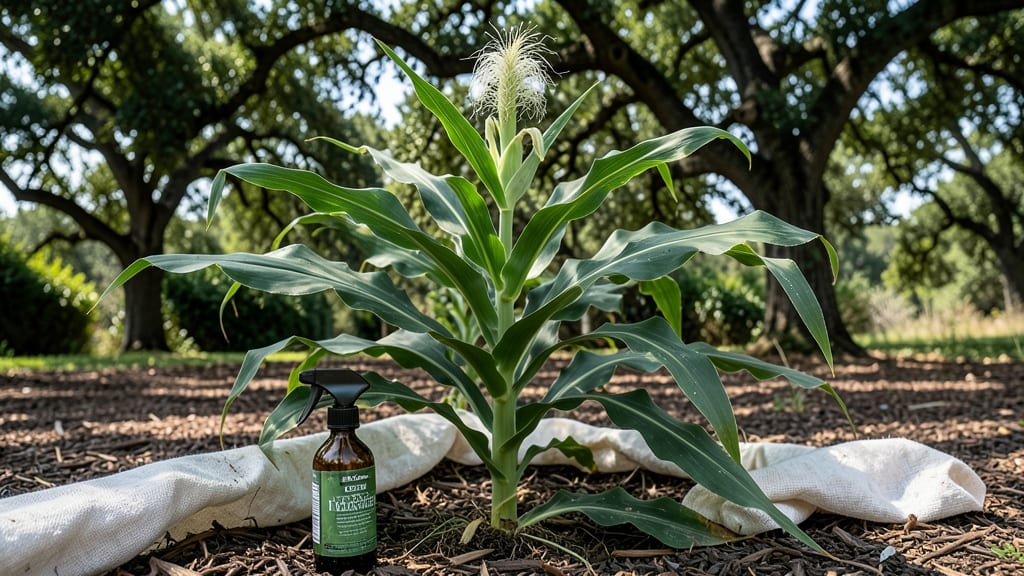
The right grasshopper control methods can turn your garden’s battle into a victory—these pests devour plants in days, but I’ve tested traps, sprays, and natural barriers that actually work.
The key is combining physical barriers (like row covers) with targeted solutions: traps catch hoppers before they multiply, sprays work best at dawn when they’re sluggish, and introducing predators (birds, toads) creates long-term balance. My tomato plants went from skeletonized to thriving in just two weeks using this mix.
You’ll spot the damage first—chewed leaves with jagged edges—but the real win is stopping the cycle before it starts. Early intervention saves your harvest and cuts down on chemical use. Works for veggie gardens, flower beds, and even lawns. Here’s how to pick the right tools for your situation.
📚 In This Guide
- What you need
- Instructions
- Tips and common mistakes
- Wrapping up and next steps
What you need
- ● Traps & Barriers: Pyrethrin-based grasshopper traps (1–2, depending on infestation size)
- ● Sticky traps or yellow pans (3–5 for larger areas)
- ● Diatomaceous earth (DE) food-grade (1–2 lbs for dusting)
- ● Netting or row covers (for garden barriers, 50–100 sq. ft. coverage)
- ● Sprays & Chemicals: Pyrethrin or permethrin insecticide (follow label rates)
- ● Neem oil spray (1–2 bottles for organic control)
- ● Garden sprayer (1–2 gallons capacity, adjustable nozzle)
- ● Gloves & safety goggles (1 pair each)
- ○ Natural Predators (Optional): Ladybugs or parasitic wasps (available online or at garden centers)
- ● Chickens or ducks (if you have livestock for grazing)
- ● Check local regulations—some insecticides require permits.
- ● Read all product labels for application rates and safety precautions.
- ● Choose a calm, overcast day for spraying to avoid harming beneficial insects.
- ● Wear long sleeves and closed-toe shoes when handling DE or sprays.
Effective grasshopper control methods for your yard
Here’s how to tackle grasshoppers using proven, eco-friendly strategies that actually work.
Identify and Monitor Grasshopper Hotspots
Start by scanning your yard for signs of grasshoppers—look for chewed leaves, especially on grasses and garden plants. Grasshoppers love dry, sunny areas, so focus on lawn edges, fields, and sunny garden beds. Walk your property in the early morning or late afternoon when they’re most active, and check for 1-inch-long green or brown insects hopping away when disturbed.
Set up simple monitoring stations by placing a white sheet or tray on the ground and checking for grasshoppers daily. This helps you track their numbers before they become a full-blown infestation. If you see more than 5-10 grasshoppers per square yard, it’s time to act before damage spreads.
Deploy Natural Barriers to Block Entry
Grasshoppers hop into yards from nearby fields, so create physical barriers to keep them out. A 3-foot-wide strip of dense mulch or gravel around garden beds makes it harder for them to jump across. You can also plant tall grasses or low-growing shrubs like boxwood or yarrow as living barriers—they disrupt grasshopper movement without harming beneficial insects.
For lawns, maintain a healthy, dense turf by mowing at 3-4 inches high and watering deeply once a week. Thick grass leaves fewer gaps for grasshoppers to hide and lay eggs. If you have a vegetable garden, surround it with chicken wire or hardware cloth buried 6 inches deep to block hoppers from entering.
Use Traps and Lures Strategically
Commercial grasshopper traps, like bucket traps filled with soapy water, can help reduce populations—but place them carefully. Bury the trap 1-2 inches deep in the soil near infested areas, not in your garden beds. Grasshoppers will fall in and drown, but these traps work best when used alongside other methods, not as a standalone solution.
For organic control, try neem oil sprays or kaolin clay, which create a protective film on plants that grasshoppers avoid. Mix 1 tablespoon of neem oil per gallon of water with a drop of dish soap, then spray plants in the evening to avoid harming bees. Reapply every 7-10 days or after rain.
Introduce Natural Predators for Long-Term Control
Encourage grasshopper predators like birds, toads, and parasitic wasps by providing habitats for them. Install a birdhouse or birdbath to attract insect-eating birds such as sparrows, robins, and swallows. Toads thrive in moist, shady spots, so leave a few flat rocks or boards in your garden to create hiding places.
If you’re comfortable with biological controls, release beneficial nematodes like Heterorhabditis bacteriophora, which target grasshopper eggs in the soil. Apply them in the fall or early spring when grasshoppers are laying eggs. Follow package instructions for watering and timing—overapplying won’t help and may harm other organisms.
Respond to Severe Infestations Safely
If grasshoppers are devouring plants rapidly, consider targeted insecticidal soap or pyrethrin-based sprays for severe cases. Always spray in the early morning or late evening to protect bees and other pollinators. Focus on the undersides of leaves, where grasshoppers often hide. Avoid broad-spectrum pesticides, which can harm beneficial insects and disrupt your yard’s ecosystem.
After treatment, monitor the area closely. If grasshoppers return within a week, repeat the process or switch to a different method. For large infestations, contact your local cooperative extension service—they may offer free or low-cost advice and sometimes even organize community-wide control efforts.
Tips & tricks for effective grasshopper management
Grasshoppers can turn your yard into a buffet overnight, but these practical tips will help you stay one step ahead. The key is combining prevention with targeted action—here’s how to make every strategy work harder for you.
Timing is Everything: Grasshoppers are most active during the golden hours of early morning and late afternoon, so that’s when you should inspect your yard and set up monitoring stations. I’ve found that checking just after sunrise catches them before they scatter. For traps and sprays, timing matters too—always apply neem oil or kaolin clay in the evening to protect bees and other pollinators during daylight hours.
Barrier Placement Matters: When creating your 3-foot-wide mulch or gravel barrier, make sure it’s continuous with no gaps. Grasshoppers are incredible jumpers, so even a small break can let them bypass your defenses. For vegetable gardens, bury that chicken wire or hardware cloth at least 6 inches deep—shallow burial won’t stop determined hoppers from tunneling underneath.
Predator Hospitality: To really encourage natural predators, think like a grasshopper’s worst enemy. Birdhouses should be placed near food sources (like your garden) but with clear flight paths—sparrows and robins need easy access to hunt. For toads, create microhabitats by stacking flat rocks or boards in shady, moist spots. I’ve seen toads quadruple in number within a season when given proper shelter!
Trapping Strategy: Those bucket traps filled with soapy water are most effective when placed near known hotspots—but don’t expect miracles. Bury them just 1-2 inches deep, and position them where grasshoppers are likely to hop over them accidentally. I’ve had better luck with multiple smaller traps than one giant one, as they cover more ground. Remember, traps work best as part of a larger strategy, not as a standalone solution.
Pro Tips for Grasshopper Control Methods
- Grasshoppers can turn your yard into a buffet overnight, but these practical tips will help you stay one step ahead.
- Timing is Everything: Grasshoppers are most active during the golden hours of early morning and late afternoon, so that’s when you should inspect your yard and set up monitoring stations.
- Barrier Placement Matters: When creating your 3-foot-wide mulch or gravel barrier, make sure it’s continuous with no gaps.
Frequently asked questions
Got questions about keeping grasshoppers at bay? You’re not alone! Here are some of the most common concerns—and straightforward answers—to help you tackle this pest problem with confidence.
When is the best time to start grasshopper control?
Start early—ideally in late spring to early summer—when grasshoppers begin nymph stages and before they multiply. Early intervention prevents large infestations. Monitor your yard for signs like chewed foliage or hopping pests, and act fast if you spot them! Pro tip: Use traps in May-June to gauge activity levels.
Are natural grasshopper repellents as effective as chemical sprays?
Yes! Natural methods like neem oil, diatomaceous earth, or plant-based sprays work well for small infestations. They’re safer for kids/pets but may require more frequent applications than chemicals. For severe cases, combine natural barriers (like row covers) with targeted sprays for best results.
How do I keep grasshoppers out of my home or garden?
Seal entry points (cracks in screens, doors, or vents) with fine mesh or caulk. In gardens, use physical barriers like row covers or plant grasshopper-resistant crops (e.g., marigolds, basil). For stored grains, store them in airtight containers—grasshoppers love snacking on seeds!
What should I do if grasshoppers keep coming back after treatment?
Persistent grasshoppers often mean new eggs or nearby breeding grounds. Reapply treatments every 2–3 weeks during peak season. Check for egg pods in soil (tiny, foam-like pods) and destroy them. If the problem spreads, consider professional pest control for long-term solutions.
Can I use grasshoppers for compost or gardening?
Grasshoppers are nutrient-rich compost when dried or frozen first (to kill parasites). Crush them into compost piles or use as a natural fertilizer. Just avoid fresh ones—they can jump away or attract predators. Bonus: Their exoskeletons add calcium to soil!
Wrapping up and next steps
Controlling grasshoppers doesn’t have to be a daunting task—whether you lean on natural barriers, traps, or targeted sprays, there’s a solution tailored to your needs. The key is consistency and choosing methods that align with your environment and comfort level.
With the right approach, you’ll reclaim your yard or garden and enjoy a pest-free space! 🌱
Ready to take action? Start by inspecting your property and picking one or two methods to test. Keep an eye on progress, and don’t hesitate to mix strategies for the best results. Happy pest-busting! 🚀