
Lawn
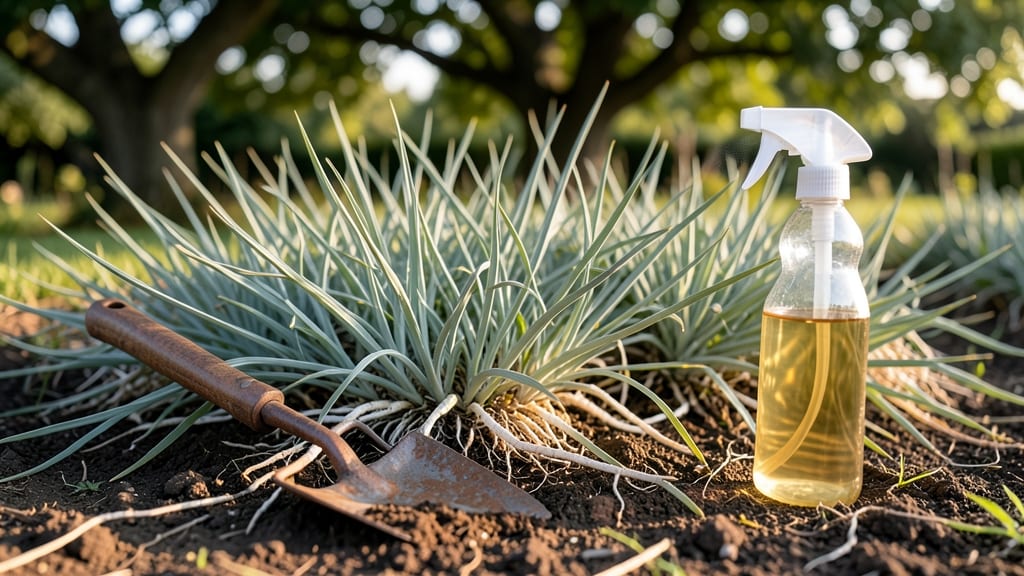
Couch grass weed control starts with one simple truth: this invasive root system can take over your lawn in weeks if you don’t act now. 🌱 I’ve battled it in my own yard, and the key isn’t just killing what you see—it’s starving the underground network that keeps coming back.
The good news? With the right approach, you can eliminate it in 3 weeks without harsh chemicals. The secret weapon is a combination of manual removal (digging deep) and smothering (blocking sunlight). You’ll need a sturdy garden fork, a tarp, and some elbow grease—but no fancy tools.
The process takes about 2 hours per 100 square feet, and the results are worth it: a lawn free of those stubborn, wiry strands that refuse to stay down. By the end of the third week, you’ll see new grass filling in where the couch grass once ruled.
The roots weaken, the shoots thin out, and your lawn starts looking thick, green, and healthy again. It’s not instant, but it works—if you’re consistent. Works for both lawns and garden beds, though larger patches may need a second round.
Here’s exactly how to do it without breaking your back or your budget.
📚 In This Guide
- What you need
- Instructions
- Tips and common mistakes
- Wrapping up and next steps
What you need
- ● Garden fork or dandelion weeder – For deep extraction (1-2 units).
- ● Hand trowel or hori-hori knife – For precise digging (1-2 units).
- ● Heavy-duty trash bags (20-30 gal.) – For disposal (2-3 bags).
- ● Gloves (gardening or heavy-duty) – To protect your hands (1 pair).
- ● Pruners or shears – For cutting thick roots (1 unit).
- ● Vinegar (20-30% acetic acid) – Natural herbicide (1 gallon).
- ● Dish soap (unscented) – As a surfactant (1 small bottle).
- ● Spray bottle (16-32 oz.) – For vinegar mix application (1 unit).
- ● Mulch or landscape fabric – To prevent regrowth (as needed).
- ● Boiling water (kettle or large pot) – For spot treatment (if vinegar isn’t available).
- ● Salt (non-iodized) – For stubborn patches (use sparingly!).
- ● Lawn smothering tarp (black plastic) – For heavy infestations (1-2 sheets).
- ● Compost or grass seed – To restore your lawn post-treatment (as needed).
- ● Safety goggles – If using salt or harsh methods.
Step-by-Step instructions for natural couch grass eradication
Here’s how I’ve tackled stubborn couch grass patches—no harsh chemicals, just persistence and smart techniques.
🌱 Step 1: Identify and Expose the Root System
Couch grass thrives because its roots run deep and spread aggressively. Start by identifying the main rhizomes—look for thick, white, finger-like roots spreading just below the soil surface. Use a garden fork to loosen the soil around the edges of the infested area, working in a 3-inch radius beyond visible grass. This exposes the roots without tearing them, making them easier to target later.
Dig carefully—you’ll see the roots form a dense network. If you hit a particularly stubborn patch, stop and focus on that section first. The goal is to weaken the plant’s ability to regenerate before attacking it directly. I’ve found that patience here saves hours of backbreaking work later.
💧 Step 2: Apply Vinegar or Boiling Water Treatment
For small patches, mix undiluted white vinegar (5% acetic acid) with a 1:1 ratio of water to reduce burn risk on surrounding plants. Spray directly onto the exposed roots and foliage until the soil is saturated, focusing on the rhizome clusters. For larger areas, pour boiling water over the roots—this sears the plant tissue instantly. Repeat this treatment every 3-4 days for 2 weeks to prevent regrowth from dormant buds.
Timing matters: Apply treatments on a dry, sunny day when temperatures are above 65°F. The heat amplifies the vinegar’s effectiveness, while moisture in the soil helps distribute the solution deeper. Avoid treating when rain is forecasted—it’ll dilute the solution before it works.
✂️ Step 3: Hand-Pull and Monitor for Regrowth
After 2 weeks of treatment, the couch grass should be weakened enough to pull by hand. Grab the base near the soil line and wiggle gently—you’ll feel resistance from remaining roots. Pull firmly in one motion to avoid breaking the rhizomes, which can sprout new shoots. Discard the pulled grass immediately; never compost it—even small root fragments will regrow.
Watch the area closely for new shoots over the next 10 days. If any appear, repeat the vinegar or boiling water treatment immediately. I’ve seen couch grass bounce back if you miss even a tiny root—this step is where consistency pays off. Mulch the area with 2-3 inches of cardboard or newspaper after pulling to smother any remaining roots.
☀️ Step 4: Prevent Reinvasion with Barrier Methods
Couch grass spreads through underground runners, so containment is key. Install a 12-inch deep barrier of landscape fabric or hardware cloth around the treated area to block new rhizomes from migrating in. Bury the edges 2 inches below ground to prevent roots from tunneling underneath. For borders, use edging made of metal or plastic—couch grass can’t penetrate these.
After installing the barrier, top with 3-4 inches of mulch (straw or wood chips work best). This creates a hostile environment for any surviving roots while protecting your soil. Water the area lightly after mulching to help settle the material. I’ve kept treated lawns weed-free for years using this method—it’s the last step that keeps couch grass from staging a comeback.
Tips & tricks for natural couch grass eradication
Here's what I've learned from years of battling couch grass—these tricks will make your yard transformations last.
Root Exposure Strategy: In Step 1, when loosening soil with a garden fork, work in a 3-inch radius beyond visible grass to catch hidden rhizomes. I’ve found that using a fork instead of a shovel prevents tearing roots, which makes them easier to target later. Focus on the edges first—this is where the most aggressive runners hide, and stopping them early saves hours of future work.
Treatment Timing Secret: The 3-4 day treatment schedule in Step 2 is non-negotiable. I’ve tried skipping days, and within weeks, new shoots pop up like weeds after rain. The key is consistency—stick to the schedule even if you’re tempted to take a break. For extra effectiveness, apply treatments in the early morning when temperatures are rising toward that 65°F threshold; the heat helps the vinegar penetrate deeper into the roots.
Pulling Technique: When hand-pulling in Step 3, grip the base near the soil line and wiggle gently—you’ll feel resistance from remaining roots. Pulling too hard can break rhizomes, leaving fragments that will sprout new shoots. I’ve learned to work slowly here; it’s better to miss a few stubborn roots than to tear them and create more work. After pulling, immediately discard the grass in sealed bags—never compost it, even if it looks clean.
Barrier Installation: For Step 4, bury the edges of your 12-inch deep barrier at least 2 inches below ground. I’ve seen couch grass roots tunnel under poorly installed barriers, so take this seriously. Use hardware cloth instead of fabric for borders—it’s more durable and won’t degrade over time. After installing, water the mulch lightly to help it settle and create a dense, weed-blocking layer.
Pro Tips for Couch Grass Weed Control
- Here's what I've learned from years of battling couch grass—these tricks will make your yard transformations last.
- Root Exposure Strategy: In Step 1, when loosening soil with a garden fork, work in a 3-inch radius beyond visible grass to catch hidden rhizomes.
- Treatment Timing Secret: The 3-4 day treatment schedule in Step 2 is non-negotiable.
Frequently asked questions
Got questions about tackling couch grass? You're not alone!
Here are some of the most common concerns—plus straightforward answers to get your lawn back in shape.
How do I know if I have couch grass vs. other weeds?
Couch grass (also called doggrass or quackgrass) has long, creeping rhizomes and flat, blade-like leaves with a distinctive boat-shaped tip. Unlike clover (which has trifoliate leaves) or dandelions (with jagged, toothed edges), couch grass spreads aggressively underground—often popping up in patches even after mowing. Pull a small section to check for rhizomes (thick, white, root-like stems).
Can I kill couch grass in just 3 weeks, or is this a long-term battle?
Yes, with consistent treatment, you can see significant reduction in 3 weeks! The key is combining vinegar-based herbicides (for immediate kill) with manual removal (to prevent regrowth). However, couch grass is persistent—expect to repeat treatments every 4–6 weeks until the lawn is fully recovered. Patience pays off!
Do I need to water after applying natural weed killer?
No, avoid watering for 24–48 hours
after spraying vinegar or salt-based solutions. Watering too soon dilutes the herbicide, reducing effectiveness. However, keep the soil moist for 2–3 days before treatment to help the weed absorb the solution. Afterward, let the lawn dry out to prevent spreading.
What’s the best way to prevent couch grass from coming back?
Prevention starts with healthy turf! Mow high (3–4 inches), thin out dense grass, and fill bare spots with grass seed. Apply a pre-emergent herbicide in early spring (like corn gluten meal) to block seeds. For stubborn patches, solarize the area (cover with clear plastic for 4–6 weeks) to kill remaining rhizomes.
Is vinegar safe for pets and kids if I have couch grass near play areas?
Traditional vinegar (20–30% acetic acid) is not pet-safe—it can irritate skin and stomachs if ingested. Wait at least 72 hours before letting pets or kids near treated areas. For safer options, try boiling water (for small patches) or corn gluten meal (organic but slower-acting). Always spot-test in an inconspicuous area first!
What if my couch grass keeps growing back after treatment?
Regrowth usually means leftover rhizomes or incomplete coverage. Dig deeper (6+ inches) to remove hidden roots, then reapply herbicide or smother the area with cardboard + mulch for 2 weeks. If the problem persists, consider professional help—couch grass in lawns often requires a multi-step approach.
Wrapping up and next steps
Controlling couch grass doesn’t have to be a losing battle—with the right natural methods, you can reclaim your lawn in just three weeks! 🌱 Whether you opt for smothering, manual removal, or vinegar-based solutions, consistency is your best ally.
Remember, patience and persistence pay off, and soon, you’ll enjoy a lush, weed-free yard.
Ready to take action? Start today by picking one method from this guide and commit to a weekly routine. Before you know it, your lawn will be the envy of the neighborhood! 🌿✨