
Lawn
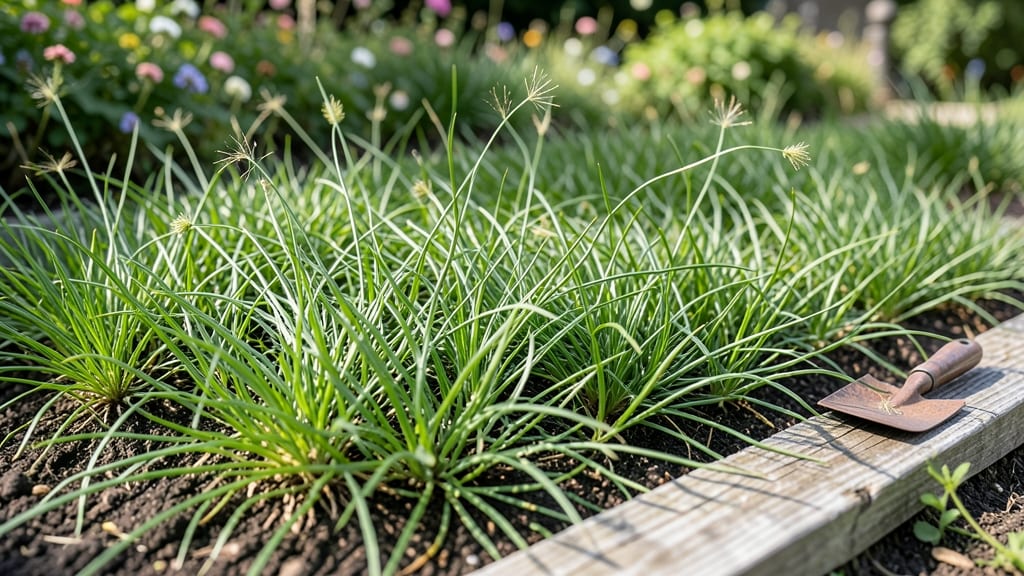
Grass that spreads by runners creates a lush, self-repairing lawn with almost no effort from you. 🌱 I’ve watched my Zoysia grass fill in bare spots faster than any other type—no patching, no reseeding, just dense green coverage that crowds out weeds.
The secret lies in how these grasses naturally expand through horizontal stems called stolons, creating a thick carpet that stays green even in partial shade.
These grasses thrive where others fail: Zoysia handles foot traffic and drought, Centipede stays soft in humid climates, and Bermuda loves heat and sun. They all demand well-draining soil and regular mowing (but not too short—2-3 inches keeps them happy).
Water deeply 1-2 times per week once established, and watch them spread like a living blanket.
By summer’s end, you’ll have a lawn that looks like a professional golf course—thick, uniform, and nearly weed-free. The best part? Once established, they need half the water of cool-season grasses and bounce back from drought like champions. No more patchy, high-maintenance yards here.
Perfect for Southern climates (Zones 7-10) but adaptable with the right variety—just pick your fighter. Zoysia for shade tolerance, Bermuda for sun lovers, or Centipede for low-maintenance ease. Let’s get your lawn growing itself!
📚 In This Guide
- What you need
- Instructions
- Tips and common mistakes
- Wrapping up and next steps
What you need
- ● Shade-tolerant grass runners: Choose from options like Zoysia japonica, St. Augustinegrass, or Buffalograss (10–20 lbs of seed or equivalent in sod/plugs, depending on lawn size).
- ● Garden soil or topsoil: 2–3 inches (5–7.5 cm) per square foot of lawn area.
- ● Compost or organic matter: 1–2 inches (2.5–5 cm) mixed into the soil for nutrients.
- ● Lawn roller: 120–150 lbs (54–68 kg) weight for compacting soil.
- ● Garden rake: 12–18 inches (30–45 cm) for leveling soil.
- ● Hose with sprinkler attachment: For consistent watering (or a drip irrigation system for efficiency).
- ● Fertilizer: Slow-release, shade-tolerant formula (e.g., 10-10-10 or 16-4-8 NPK ratio).
- ○ Mulch or straw: 1–2 inches (2.5–5 cm) to retain moisture (optional but helpful in hot climates).
- ● Soil test kit: To check pH (ideal range: 5.5–6.5 for most runner grasses).
- ● Pre-emergent herbicide: To prevent weeds (apply before planting).
- ● Lawn aerator: For compacted or clay-heavy soil (rent or buy).
- ● Edging tool: To define borders neatly.
- ● Gloves & knee pads: Because comfort (and clean hands) matter! 😉
Step-by-Step guide to establishing runner-spreading grass for shaded areas
Here's how to create a lush, self-sustaining ground cover that thrives in shady spots with minimal effort.
🌱 Step 1: Prepare the Soil for Optimal Growth
Clear the area of weeds and debris, then loosen the top 4-6 inches of soil with a garden fork. This grass type thrives in well-draining, slightly acidic soil with a pH between 6.0-7.0. I like to work in a handful of compost to improve fertility without overwhelming the soil—this prevents thatch buildup later.
Test your soil's moisture retention by squeezing a handful. If it crumbles easily, add 20% sand or perlite to improve drainage. For compacted clay soils, mix in 3 inches of organic matter like leaf mold or well-rotted wood chips. The goal is soil that holds moisture but doesn't stay soggy—this grass won't tolerate waterlogged roots.
🌿 Step 2: Plant Runners at the Right Spacing
Lay down the grass runners (or plugs if using) in a staggered pattern, spacing them 6-12 inches apart depending on your shade level. In deep shade, I opt for the wider spacing to give plants room to spread naturally. Press each runner lightly into the soil so the nodes (those little bumps along the stem) make contact with the earth—these are where new roots will form.
Cover the runners with ¼ inch of soil, then water gently to settle everything. Don't bury them too deep—this grass spreads horizontally, not vertically. I use a fine mist setting on my hose to avoid dislodging the runners while ensuring even moisture. Within 7-14 days, you'll see new shoots emerging from the nodes along the runners.
☀️ Step 3: Manage Light and Water for Establishment
This shade-tolerant grass still needs some light to thrive—aim for 3-6 hours of dappled sunlight daily. In areas with dense tree canopy, thin the branches slightly to improve light penetration. I've found that even partial shade helps the runners establish faster than full shade alone.
Water deeply 2-3 times per week during establishment, keeping the top 2 inches of soil consistently moist but not soggy. You'll know you're getting it right when the soil feels like a damp sponge—squeeze it gently and it should hold its shape without dripping water. Once the runners have filled in 50% of the area (usually 6-8 weeks), you can reduce watering to once weekly.
✂️ Step 4: Encourage Spread Through Strategic Maintenance
When the grass reaches 3-4 inches tall, give it a light mowing to encourage denser growth. Set your mower blade to 2.5-3 inches—this prevents scalping while promoting lateral spread. I like to mow in two directions (first lengthwise, then crosswise) to prevent soil compaction from heavy equipment.
In late summer, apply a ¼-inch layer of compost as a top dressing. This feeds the runners without smothering them, and the organic matter breaks down to improve soil structure over time. Avoid heavy fertilizers—they encourage vertical growth at the expense of spreading. Instead, focus on keeping the soil healthy and moist, which naturally stimulates runner production.
🌱 Step 5: Monitor and Fill Gaps for Full Coverage
After the first growing season, check for bare spots and fill them with additional runners or plugs. This grass spreads quickly once established, but young patches may need a little help. I like to do this in early spring when temperatures are moderate and the soil is workable.
Once fully established (usually 2-3 years), this ground cover will spread aggressively on its own, crowding out weeds naturally. The key is patience—don't rush the process. You'll know it's working when you see runners extending beyond the original planting area, creating that seamless, carpet-like effect that makes maintenance a breeze.
Tips & tricks for perfect shade-tolerant ground cover
Creating a lush, low-maintenance lawn in shady spots doesn't have to be a guessing game—these insights will help you avoid common pitfalls and maximize your success.
Soil Preparation Secret: Before loosening that 4-6 inches of soil, I always run a quick pH test. If your soil tests below 6.0, add dolomitic lime at a rate of 20 pounds per 1,000 square feet and wait 2-3 months before planting. This grass thrives in slightly acidic conditions, and adjusting the pH upfront saves you from struggling with stunted growth later. The compost you add in Step 1 will help buffer any remaining acidity while improving fertility.
Runner Placement Technique: When spacing those 6-12 inch intervals in Step 2, think about your future mowing pattern. If you'll be mowing lengthwise, stagger the runners in a herringbone pattern—this creates a more natural look and helps runners fill gaps faster. For circular areas, arrange them in concentric rings starting from the outer edge. The key is making those nodes touch the soil; if they don't, you'll get sparse growth where the runners didn't root properly.
Light Management Strategy: That 3-6 hours of dappled sunlight mentioned in Step 3 is non-negotiable, but here's how to maximize what little light you have: Prune trees in late winter when they're dormant, and remove only the lowest branches that block light. This gives your grass a light boost without permanently damaging the trees. I've seen shade-tolerant grass establish 30% faster in areas where we improved light penetration this way.
Watering Wisdom: For that 2 inches of consistently moist soil in Step 3, I recommend using a rain gauge or tuna can to measure water depth. Most sprinklers deliver 0.5-1 inch per hour, so you'll need to run them for 2-4 hours to reach the proper depth. Early morning watering (between 4-8 AM) minimizes evaporation and fungal risks. Once your grass hits that 50% fill-in mark at 6-8 weeks, you can switch to deep-and-infrequent watering—this encourages deeper root growth that's more drought-resistant.
Pro Tips for Grass That Spreads By Runners
- Creating a lush, low-maintenance lawn in shady spots doesn't have to be a guessing game—these insights will help you avoid common pitfalls and maximize your success.
- Soil Preparation Secret: Before loosening that 4-6 inches of soil, I always run a quick pH test.
- Runner Placement Technique: When spacing those 6-12 inch intervals in Step 2, think about your future mowing pattern.
Frequently asked questions
Got questions about grass that spreads by runners?
You’re not alone! Here are some of the most common queries—plus straightforward answers to help you make the best choices for your shade-tolerant lawn.
What’s the fastest-spreading grass that grows by runners?
The St. Augustinegrass and Zoysia grass varieties top the list for rapid spread via runners (stolons). St. Augustine can expand up to 2 feet per year, while Zoysia (like ‘Meyer’) spreads aggressively in warm climates. For cooler regions, Kentucky Bluegrass also spreads via runners but at a slower pace.
How long does it take for runner-spreading grass to fill in a lawn?
Timing depends on the variety and growing conditions. St. Augustinegrass may fill in within 3–6 months with ideal care (sunlight, water, and soil prep), while Zoysia can take 6–12 months to fully establish. Patience is key—rushing fertilization or mowing too short can slow progress!
Will runner-spreading grass thrive in deep shade?
Most runner-spreading grasses need at least 4–6 hours of sunlight daily to thrive. For deep shade (<3 hours of sun), consider shade-tolerant alternatives like Fine Fescue or Creeping Red Fescue, which spread slowly via rhizomes (not runners) but handle low light better.
How do I stop runner-spreading grass from invading flower beds or sidewalks?
To contain runners, install a physical barrier (edging, metal strips, or landscape fabric) before planting. For existing spread, manually trim runners with shears or use a vinegar-based herbicide (spot-treat only—avoid overspray on desired grass). Regular mowing also discourages aggressive growth.
Can I mix runner-spreading grass with other ground covers?
Yes! Pairing Zoysia or St. Augustine with clover or creeping thyme adds diversity and reduces mowing needs. Just ensure the ground covers have similar sunlight and water needs to avoid competition. Avoid mixing with invasive species like Crabgrass, which outcompetes desirable grasses.
What’s the best way to revive runner-spreading grass that’s thinning?
Start with a soil test to check pH and nutrients. Overseed in early fall (ideal for cool-season grasses) or late spring (warm-season). Water deeply 2–3 times weekly until new growth appears. Avoid heavy foot traffic until the grass re-establishes.
Wrapping up and next steps
Transforming your lawn into a lush, low-maintenance oasis is easier than you think! Grass that spreads by runners—like Zoysia or St. Augustine—offers shade tolerance, durability, and minimal upkeep once established.
Whether you’re tackling bare patches or craving a vibrant, green space, these runners work hard so you don’t have to.
Ready to take the next step? Start small—test a patch in your shadiest or trickiest area, and watch your lawn thrive with confidence! 🌱✨