
Lawn
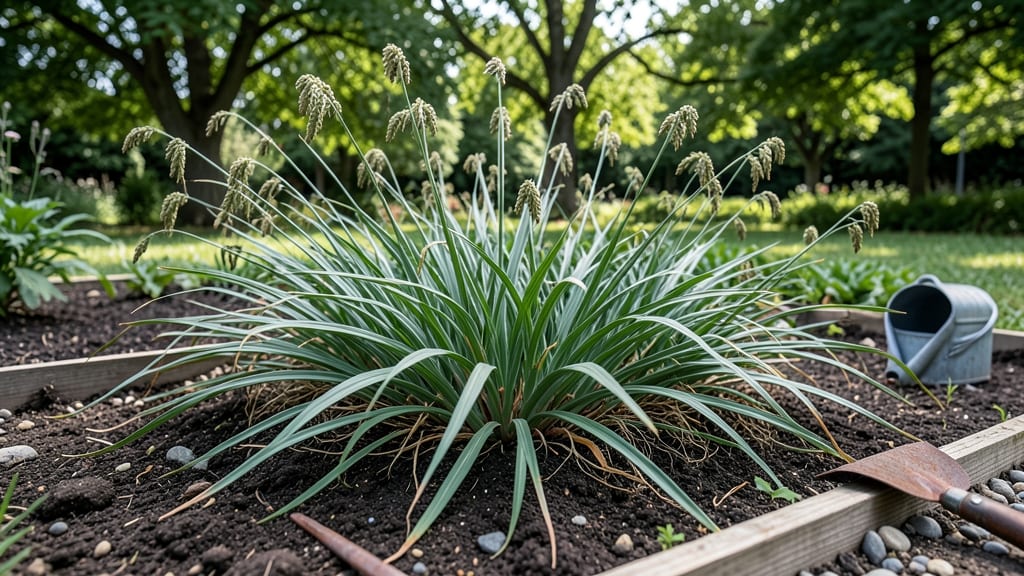
That familiar tactile test—pinching the grass between your thumb and forefinger—revealed the telltale common couch grass lurking in my lawn, its thick, wiry stems and creeping rhizomes giving it away. removal became a whole lot easier.
This guide cuts through the confusion about how to tackle it without harsh chemicals, so your lawn stays lush and healthy.
Couch grass thrives because it spreads aggressively through underground runners, and once it takes hold, it crowds out your grass. The good news? Manual removal works—especially when you catch it early. I’ve pulled out entire patches by hand, and with the right technique, you can too.
The key is timing: tackle it on a damp but not soggy day when the soil is easier to work with.
By the end of this, you’ll have a fast, chemical-free method that actually works—no more guessing whether you’re pulling weeds or your lawn. You’ll spot the difference between couch grass and your grass in seconds, and your lawn will thank you with thicker, greener growth.
Let’s get those runners out for good.
This approach works for lawns, garden beds, and even vegetable patches where couch grass sneaks in. The same principles apply whether you’re dealing with a small patch or a full-blown invasion. Ready to reclaim your space?
How Stubborn Weeds Take Root
Understanding why common couch grass (also called Elymus repens or "twitch grass") thrives in lawns—and why it feels impossible to eradicate—starts with its biology. This aggressive perennial weed spreads through a combination of underground runners, deep root systems, and rapid reproduction.
Let’s break down the science behind its persistence and how it outsmarts even the most diligent gardeners.
Common couch grass doesn’t just sprout from seeds—it expands via rhizomes, horizontal stems that grow just below the soil surface. These rhizomes can stretch up to 6 feet long and produce new shoots at nodes along their length.
Even if you mow or pull the visible blades, the rhizome fragments left behind can regenerate into multiple plants, making it seem like the weed is spreading overnight.
Why it happens:
- Fragmentation resilience: A single broken rhizome piece (even 1 inch long) can grow into a new plant. Disturbing the soil—like aerating or digging—can accidentally propagate more weeds.
- Deep root penetration: Its roots can grow 4–5 feet deep, tapping into water and nutrients that shallow-rooted grass struggles to access.
- Clonal reproduction: Unlike annual weeds that rely on seeds, couch grass clones itself, ensuring survival even if the above-ground parts are destroyed.
While rhizomes are its primary weapon, common couch grass also produces thousands of seeds per plant. These seeds can lie dormant in the soil for years (up to 5+ years in some cases) before germinating—especially when conditions are ideal.
Once established, a single plant can produce 10–15 new shoots per year, creating a self-sustaining infestation.
Why it happens:
- Dormant seed banks: Seeds wait for disturbances (like mowing, rain, or soil disruption) to trigger germination, ensuring new weeds emerge even after removal attempts.
- Wind and equipment dispersal: Seeds hitchhike on mowers, shoes, and tools, spreading to uninfected areas. A single mower blade can carry seeds hundreds of feet.
- Competitive advantage: Couch grass grows faster than most lawn grasses in poor soil, outcompeting desirable plants for sunlight and nutrients.
Common couch grass thrives in compacted, moist, or nutrient-rich soil, which is why it often invades lawns after construction, heavy foot traffic, or poor drainage. It also tolerates a wide range of conditions, from full sun to partial shade, making it a year-round nuisance.
Why it happens:
| Factor | How It Helps the Weed |
|---|---|
| Compacted soil | Prevents grass roots from accessing water/nutrients, while couch grass rhizomes penetrate easily. |
| Overwatering | Encourages rhizome growth and seed germination; dormant seeds wake up in consistently wet soil. |
| Thin lawns | Exposes bare soil, giving weeds unobstructed sunlight to photosynthesize and spread. |
| High nitrogen | Fertilizer runoff boosts rhizome production, making the weed grow 2–3x faster than grass. |
Even the best-intentioned lawn care can worsen a couch grass infestation. Common errors include:
- Mowing too short: Weakens grass and exposes rhizomes to sunlight, encouraging more growth.
- Using broadleaf herbicides: These often miss couch grass (which isn’t a broadleaf) while killing competing plants.
- Ignoring early signs: Small patches left untreated can double in size every 4–6 weeks.
Pro tip: 💡 Never till or aerate without first treating the area—this chops rhizomes into pieces, creating hundreds of new weeds.
Natural Ways to Remove Stubborn Grass
Now that you understand why that pesky common couch grass keeps creeping into your lawn, it’s time to tackle it head-on—without harsh chemicals! 🌱 Here’s how to eliminate it for good and keep it from staging a comeback.
If the infestation is limited, manual removal is the fastest, most eco-friendly solution.
How to do it: 👨🍳 Step 1: Wait for Rain or Water It Soak the soil first—this loosens the roots, making them easier to extract. A good rain or a deep watering (about 1 inch) does the trick.
🔪 Step 2: Grab the Grass at the Base Use a weeding tool, gloved hands, or even a butter knife to dig under the roots. Pro tip: 🌡️ Couch grass has a long, creeping rhizome—grab all of it, or it’ll regrow!
⏰ Step 3: Repeat Weekly Check the area every 5–7 days. New shoots will pop up—pull them before they spread.
If your lawn is heavily invaded, suffocation is a low-effort, chemical-free method.
How to do it: 📊 Step 1: Cover with Cardboard or Thick Mulch Lay down wet cardboard, thick layers of newspaper, or a heavy mulch (like wood chips). Block out sunlight for 4–6 weeks—this starves the grass of energy.
✨ Step 2: Add a Layer of Soil or Compost Once the area is dead, top it with 2–3 inches of fresh soil or compost. Plant grass seed or ground cover immediately to reclaim the space.
💡 Pro Tip: Avoid plastic sheets—they trap heat and can cook your soil!
A natural herbicide alternative that works fast but requires precision.
How to do it: 🍳 Step 1: Mix the Solution Combine:
- 1 gallon of white vinegar (20% acetic acid)
- 1 cup of salt
- 1 tbsp dish soap (as a surfactant)
🎯 Step 2: Spray Directly on the Grass Apply on a dry, sunny day—the heat enhances the burn. Avoid spraying desirable plants, as vinegar is non-selective.
🌡️ Step 3: Reapply as Needed Check the area in 3–5 days. Repeat if any green remains, but be cautious—overuse can harm soil microbes.
Once you’ve banished couch grass, keep it from returning with these easy maintenance habits:
- 💡 Improve Soil Health Test your soil’s pH (ideal: 6.0–7.0 for lawns). Amend with compost to make grass stronger and less prone to weeds.
- 🌱 Choose Competitive Grass Seed Plant dense, fast-growing grasses like tall fescue or perennial ryegrass. They outcompete weeds for space and nutrients.
- ✂️ Mow High & Regularly Keep your lawn at 3–4 inches tall. Taller grass shades out weeds and develops deeper roots.
- 🔄 Aerate Annually Compacted soil gives weeds a foothold. Rent an aerator or spike the lawn to improve airflow and root growth.
If couch grass keeps returning despite your efforts, your lawn may have deep-rooted issues (like poor drainage or heavy shade). A local lawn care expert can assess the problem and recommend targeted solutions.
Final Thought: With persistence and the right methods, you can reclaim your lawn—naturally! 🚀 Start small, stay consistent, and soon you’ll be enjoying a lush, weed-free space without a single chemical in sight.
Frequently asked questions
How can I tell if I have common couch grass vs. regular grass?
Look for thick, wiry stems that feel rough between your fingers and spread in clumps. Regular grass blades are thinner and grow upright, while couch grass has a creeping, rhizome-based growth pattern. Pull a small patch—if you see long, stringy roots, it's couch grass.
Why does pulling couch grass seem to make it spread more?
This happens because its rhizomes (underground stems) break into fragments when pulled, and each piece can grow into a new plant. Always dig deep to remove the entire root system—never just the top growth. If you miss even a small piece, it'll regrow within weeks.
Is vinegar really safe for killing couch grass?
Yes, but use it carefully! A mixture of 1 gallon white vinegar + 1 cup salt + 1 tbsp dish soap works as a natural herbicide. Spray only on couch grass (not desirable plants) and apply on sunny days—it needs heat to work. Avoid overusing it, as vinegar can harm soil health over time.
How long does it take for suffocation methods (like cardboard) to work?
Block sunlight for 4–6 weeks to kill couch grass effectively. The weeds die when they can't photosynthesize. Afterward, remove the cardboard and replace with fresh soil or grass seed. For best results, combine this with regular pulling of any new shoots that appear.
Can I still use my lawn after treating couch grass?
Yes! Once you've removed the weeds, your lawn can be used immediately. Just avoid heavy foot traffic on treated areas until new grass establishes (usually 2–3 weeks