
Lawn
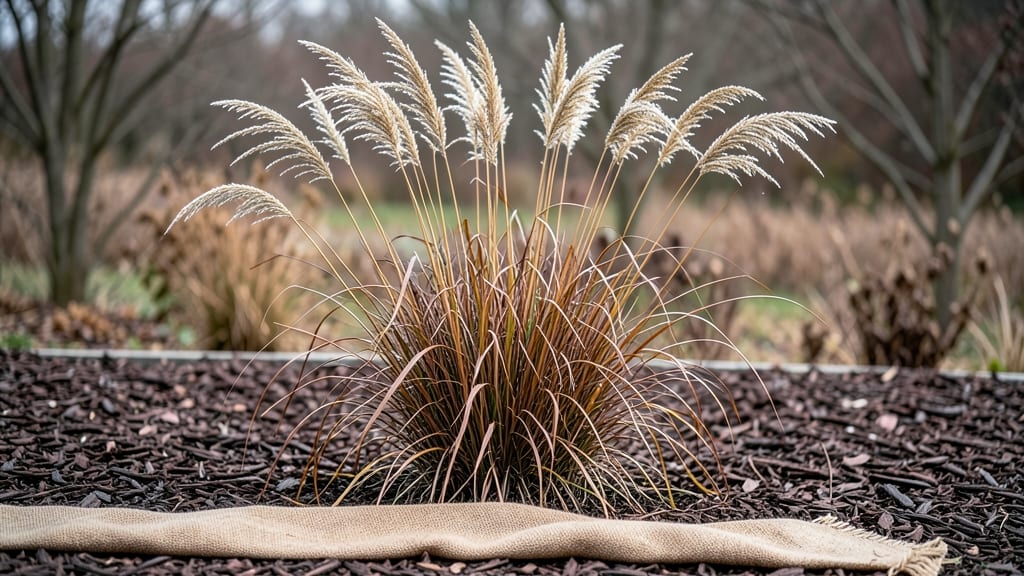
Winterizing ornamental grass isn’t just about survival—it’s about keeping those textured plumes standing tall until spring. ✨ I’ve seen grasses turn from golden sentinels to brown, floppy messes after one harsh winter, but the right prep transforms them into frost-resistant showstoppers that outlast the cold.
The secret lies in timing and technique: trim at the right moment (after frost but before snow), add a 2-3 inch mulch layer to insulate roots, and avoid cutting back too aggressively—those dried stems shield tender bases.
In my zone 5 garden, this method keeps my Miscanthus sinensis and Pennisetum looking intentional all winter long, even when temps dip below zero. You’ll wake up to grasses that hold their shape, resist wind damage, and bounce back faster in spring. The payoff?
A garden that stays visually dynamic even when everything else sleeps under snow. Here’s how to do it right—no guesswork, just results. Cold climates need extra protection (burlap wraps, straw bales), while mild winters just require lighter trimming.
Let’s get those grasses winter-ready so they’re the first thing neighbors notice when spring arrives.
📚 In This Guide
- What you need
- Instructions
- Tips and common mistakes
- Wrapping up and next steps
What you need
- ● Pruning shears or hedge clippers – Sharp, clean blades for trimming (choose bypass for precision).
- ● Garden gloves – Heavy-duty, waterproof gloves (e.g., Mechanix or Fellex for grip).
- ● String trimmer or lawn mower – For cutting back tall or overgrown grass (set blade height to 2–3 inches).
- ● Mulch (straw, pine needles, or shredded leaves) – 2–4 inches depth to insulate roots (organic options work best!).
- ● Burlap or frost cloth – 3–4 feet wide, breathable fabric to wrap clumps if needed.
- ○ Garden twine or landscape staples – For securing mulch or frost cloth (optional but helpful).
- ● Garden hose or watering can – For a final deep watering before freezing temps hit.
- ● Antifreeze spray (plant-safe) – For areas with extreme cold (<30°F).
- ● Soil conditioner (compost or peat moss) – Amend heavy clay soil before winter for better drainage.
- ● Label markers – If you have multiple grass varieties, tag them for easy spring identification.
- ● Thermal blanket or row cover – For tender varieties (e.g., Miscanthus or Pennisetum).
Step-by-step guide to winterizing ornamental grass
Here's how I protect my ornamental grasses through winter—keeping them healthy and looking sharp until spring.
⏰ Step 1: Time Your Cutback for Late Fall
Wait until after your first hard frost but before temperatures drop below 20°F to cut back ornamental grasses. This timing ensures the plants have entered dormancy but haven't suffered frost damage yet. I usually do this in late October or early November, depending on my climate zone.
Use clean, sharp pruners to cut back the foliage to about 2-3 inches above the ground. This height allows snow to accumulate and insulate the crown while preventing the grass from flopping over in wind. Avoid cutting into old growth—you want to preserve the protective layer that shields the crown from freezing temperatures.
💧 Step 2: Water Deeply Before Freezing Temperatures Arrive
Give your ornamental grasses a deep watering about 1-2 weeks before the first hard frost. This encourages roots to absorb as much moisture as possible, which helps them withstand winter desiccation. Water until the soil is 6-8 inches deep and evenly moist—you'll know it's right when water runs out the drainage holes if your plants are in containers.
After this final watering, reduce irrigation completely until spring. Overwatering in winter can lead to root rot, especially if the soil doesn't drain well. I check the soil moisture occasionally by lifting a clump of grass—if it feels dry, a light watering might be needed, but only if temperatures stay above freezing for a few days.
☀️ Step 3: Provide Mulch and Wind Protection
Apply a 2-3 inch layer of mulch around the base of your ornamental grasses using shredded bark, straw, or pine needles. This mulch acts as insulation, protecting the crown from extreme temperature fluctuations. Avoid piling mulch directly against the stems—keep it 2-3 inches away to prevent moisture buildup and rot.
If your grasses are in exposed areas where wind can scour away snow, consider adding a lightweight burlap wrap or a wire cage filled with straw around the clump. This creates a microclimate that traps snow, which further insulates the plants. In my experience, grasses in windy spots benefit most from this extra protection.
✂️ Step 4: Clean Up Debris and Monitor for Pests
Remove any dead foliage, weeds, or debris from around the base of your ornamental grasses. This reduces hiding spots for pests like voles and rodents, which might otherwise chew on the crowns over winter. I also check for signs of disease or insect damage before covering the plants—addressing these issues now prevents bigger problems in spring.
If you notice any signs of pests, like chewed stems or small burrows, take action immediately. A few drops of castor oil-based repellent around the base can deter rodents without harming the plants. Once everything is clear, you can relax—your grasses are now prepped to handle winter like pros.
🌱 Step 5: Spring Prep—When to Cut Back Again
Wait until early spring, when new growth begins to emerge, before cutting back ornamental grasses again. This timing ensures you don’t accidentally trim off the fresh shoots that signal the plant is waking up. I usually do this in March or April, depending on when the last frost occurs in my area.
Cut back the old foliage to about 6 inches above the ground this time. This height allows the new growth to establish while still keeping the plant looking tidy. Avoid cutting into the new shoots—you’ll see them as bright green, vigorous stems pushing up from the base. This second cutback gives your grasses a fresh start for the growing season.
Tips & tricks for cold-proofing ornamental grass
These practical insights will help you navigate the nuances of winterizing ornamental grasses like a seasoned gardener.
Timing is Everything: The window between the first hard frost and temperatures dropping below 20°F is critical. I've learned this the hard way—cutting too early can leave plants vulnerable to late-season growth spurts, while waiting too long risks frost damage. Use a local frost calendar as your guide, and always check the forecast for sudden temperature drops. This timing ensures the plants are fully dormant but still protected by their natural defenses.
Precision Cutting Technique: When trimming back to 2-3 inches above ground, make clean cuts with sharp pruners at a slight angle to prevent water from pooling on the stubble. I angle my cuts away from the plant to encourage water runoff, which helps prevent rot during any unexpected thaws. This small detail makes a big difference in maintaining plant health through winter.
Mulch Placement Matters: The 2-3 inch layer of mulch should form a donut shape around the base, not a mound touching the stems. This creates an insulating air pocket while preventing moisture buildup that could lead to fungal issues. For container grasses, use a lightweight mulch like straw that won't compact and suffocate the roots. I've seen dramatic differences in survival rates when this simple placement rule is followed.
Spring Awakening Cues: In early spring, look for bright green shoots emerging from the base before your second cutback. These new growth signals are your green light to trim back to 6 inches. I've made the mistake of cutting too early and accidentally removing these vital shoots—always wait until you see at least 2-3 inches of new growth before reaching for the pruners again.
Pro Tips for Winterize Ornamental Grass
- These practical insights will help you navigate the nuances of winterizing ornamental grasses like a seasoned gardener.
- Timing is Everything: The window between the first hard frost and temperatures dropping below 20°F is critical.
- Precision Cutting Technique: When trimming back to 2-3 inches above ground, make clean cuts with sharp pruners at a slight angle to prevent water from pooling on the stubble.
Frequently asked questions
When is the best time to winterize ornamental grass?
Timing is key! Aim to winterize your ornamental grass before the first hard frost hits your area—usually late fall (October to early November in most U.S. zones). If you miss this window, don’t panic: a light frost won’t hurt, but severe freezes can damage tender varieties. Check your local frost dates for precision!
Do I need to cut back ornamental grass before winter?
Most ornamental grasses don’t need a full haircut before winter—their dried seed heads and foliage provide insulation and winter interest. However, if your grass is dead, diseased, or overly tall (over 3 feet), trim it back by ⅓ to ½ to reduce weight and improve airflow. Never cut into the crown (the base of the plant).
What if my ornamental grass turns brown in winter—is it dead?
Don’t fret! Many ornamental grasses naturally brown or go dormant in winter, especially in colder climates. This is normal and doesn’t mean your plant is dead. In spring, new growth will emerge from the base. If no regrowth appears by late spring, your grass may have died from frost damage or poor winter care.
Can I mulch ornamental grass like I do with perennials?
Mulching ornamental grass is not recommended unless you’re in Zone 5 or colder with extremely harsh winters. A 2–3 inch layer of straw or shredded leaves around the base can help insulate tender varieties (like Miscanthus or Pennisetum). Just avoid piling mulch against the stems—keep it loose to prevent rot.
My ornamental grass is flopping over in winter—how do I fix it?
Floppy grass is usually a sign of overgrowth, weak stems, or heavy snow/ice. Before winter, trim tall or leggy grasses to reduce weight. If snow accumulates, gently brush it off to prevent breakage. For next year, consider staking or planting grasses in a sheltered spot (like near a fence) to reduce wind damage.
Are there any ornamental grasses that don’t need winterizing?
Yes! Cold-hardy varieties like Carex (sedges), Calamagrostis (feather reed grass), and Panicum (switchgrass) are low-maintenance and often survive winter with minimal care. If you’re in Zone 6 or warmer, you might get away with no winter prep—just a light tidy-up in early spring.
Wrapping up and next steps
Winterizing your ornamental grass doesn’t have to be a daunting task—just a few simple steps can keep your landscape thriving all season long! By cutting back, mulching, and protecting your grasses, you’re ensuring they bounce back stronger in spring. 🌿✨
Now that you’re armed with the know-how, there’s no time like the present to grab your tools and give your ornamental grasses the winter care they deserve. Your future spring blooms will thank you!