
Pruning
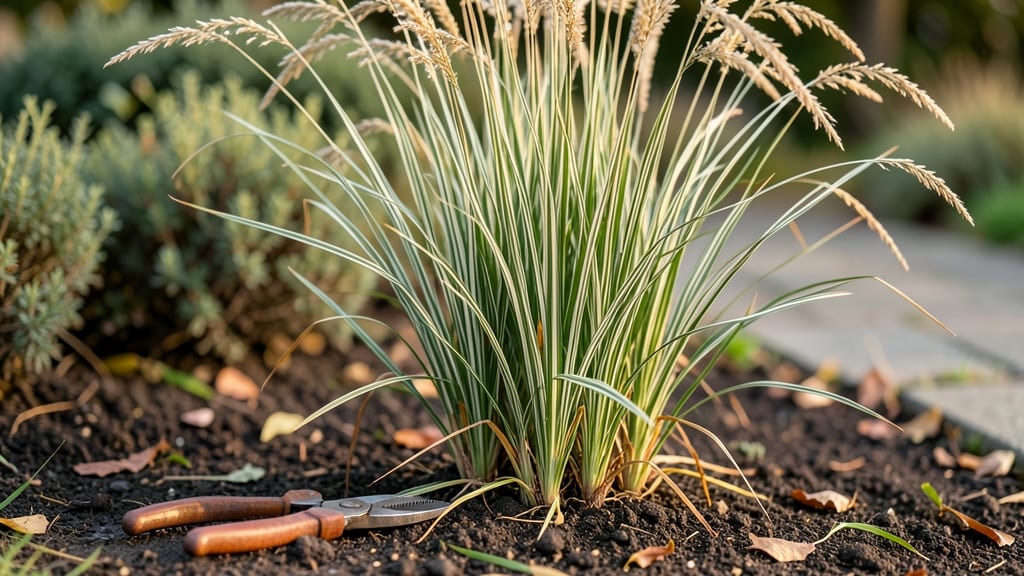
Trimming back ornamental grasses at the right time transforms them from wild tangles into year-round showstoppers—here’s how to do it right. ✂️ I’ve learned the hard way that timing and technique make the difference between a healthy clump and a sad, leggy mess.
The secret isn’t just cutting back—it’s understanding when and how to shape them for year-round interest.
Most grasses thrive when trimmed in late winter or early spring, just as new growth starts. For clumping types like fountain grass, cut back one-third of the height, while spreading grasses like maiden grass need a harder cut—down to 6–12 inches.
The right tools—a sharp pair of pruners or hedge shears—make all the difference in clean cuts that heal faster.
After trimming, you’ll see fresh, upright growth within weeks, and those feathery plumes will look fuller than ever. The key is patience: resist the urge to cut too early, and avoid removing more than one-third of the plant at once. Over-trimming stresses grasses and can stunt their growth.
This method works for any ornamental grass, from delicate miscanthus to bold pampas grass. Whether you’re tidying up before spring or shaping them for winter interest, these sharp cuts keep them looking effortlessly polished all season.
📚 In This Guide
- What you need
- Instructions
- Tips and common mistakes
- Wrapping up and next steps
What you need
- ● Pruning shears or hedge clippers: Sharp, bypass-style blades (avoid dull or anvil types to prevent crushing stems). Size: 6–8 inches for medium grasses, 10+ inches for thick clumps.
- ● Heavy-duty pruners or loppers: For thicker stalks (e.g., Miscanthus or Pennisetum). Look for: 20–24 inch reach, ergonomic grips.
- ● Garden gloves: Cut-resistant (e.g., Filipino or mechanized styles) to protect hands from sharp edges and thorns.
- ● Ladder or step stool: For grasses taller than 5 feet. Safety tip: Use a stable, 3-legged stool with a weight limit of 300+ lbs.
- ○ String trimmer (weed whacker): Optional but handy for very large patches or overgrown areas. Fuel type: Battery-powered (e.g., Ego or Worx) for ease.
- ● Rake or stiff-bristle broom: To clear debris after trimming. Size: 18–24 inch head for efficiency.
- ● Timing: Trim in late winter or early spring (before new growth) or after flowering (fall/winter for perennials).
- ● Weather check: Choose a dry, calm day—wet grasses are heavier and harder to handle.
- ● Safety gear: Eye protection (goggles) and ear protection (if using a string trimmer).
- ● Water source: A hose or bucket for rinsing tools and cleaning up sap/resin.
- ● Disinfectant spray: (e.g., 70% isopropyl alcohol) to sterilize tools between cuts and prevent disease spread.
- ● Pruning saw: For extremely thick stalks (e.g., Giant Reed).
- ● Compost bin or bags: For easy disposal of trimmings (unless repurposing as mulch).
- ● Knee pads: If you’ll be kneeling frequently for low-growing varieties.
Step-by-step guide to trimming back ornamental grasses
Here's how I keep ornamental grasses looking sharp year-round with minimal effort.
✂️ Step 1: Time Your First Cut for Late Winter or Early Spring
The best time to trim ornamental grasses is just as new growth begins in late winter or early spring—typically 4-6 weeks before your last frost date. This timing ensures you remove last year's dead foliage while leaving the emerging growth intact. You'll know it's time when you see fresh green shoots pushing through the center of the clump.
If you're unsure when new growth starts, wait until mid-February to early March in most climates. Avoid cutting back in fall or winter when the grasses provide winter interest and shelter for wildlife. I always mark my calendar with the first day of spring to remind myself—skipping this step means winter-damaged foliage lingers until spring.
🌱 Step 2: Cut Back to the Base or 3-6 Inches Above Ground
Use sharp pruners or a clean pair of hedge shears to cut back the grasses. For most varieties, trim to within 1-2 inches of the ground, but some larger clumping grasses like Miscanthus or Pampas grass can be cut back to 6 inches above ground level for a more natural look. The key is to remove all the old, brown foliage while preserving the crown.
If you're unsure whether to cut to the base or leave some height, observe the plant's natural growth habit. Feather grasses (like Stipa) often look best when left slightly taller, while fountain grasses (like Pennisetum) benefit from a closer trim. Never cut into the hard, woody base—this can damage the plant's growth point.
☀️ Step 3: Trim Throughout the Growing Season for Shape and Health
After the initial spring trim, check your grasses every 4-6 weeks for shape and health. Use hand pruners to remove any dead or damaged leaves as they appear. For grasses that grow too tall or flop over, trim the stems by one-third to encourage bushier growth. You'll notice the plant responds by filling out more densely.
In late summer, if your grasses develop seed heads that look messy, you can trim them back by half their height to maintain a tidy appearance. However, leaving seed heads over winter adds texture and interest to the garden. I usually leave a few seed heads on one or two plants for visual appeal while trimming the rest.
⏰ Step 4: Perform a Final Cut in Late Fall to Prep for Winter
About 4-6 weeks before the first frost, give your ornamental grasses a final trim to remove any remaining seed heads or damaged foliage. Cut back to 6-12 inches above the ground, depending on the variety. This late cut helps protect the plant from heavy snow and ice while still allowing it to retain some winter interest.
This final trim also prevents the grasses from looking ragged by spring. I always use clean, sharp tools to avoid tearing the leaves, which can leave unsightly jagged edges. After trimming, I lightly rake away any debris to keep the base of the plant tidy and reduce the risk of disease.
Tips & tricks for perfect ornamental grass trimming
These simple strategies will help you keep your ornamental grasses looking their best with minimal effort—and avoid the most common mistakes.
Timing is Everything: The 4-6 week window before your last frost is critical for Step 1. I've learned the hard way that cutting too early removes emerging growth, while waiting too long leaves dead foliage standing all winter. Check for those fresh green shoots in the center—those are your visual cue. For northern climates, aim for early March, while southern gardens can start as early as late February. This timing ensures you're always working with fresh growth, not last year's dried stems.
Tool Selection Matters: Sharp pruners aren't just about clean cuts—they're about plant health. Dull tools crush stems and create jagged edges that can invite disease. I always clean my pruners with rubbing alcohol between plants to prevent spreading any potential pathogens. For larger grasses, consider a heavy-duty hedge shears for cleaner cuts through thick stems. The investment in good tools makes all the difference in how your grasses recover after trimming.
Variety-Specific Approach: Not all grasses respond the same way to trimming. In Step 2, observe your specific varieties—feather grasses like Stipa often look best when left slightly taller (3-6 inches), while fountain grasses like Pennisetum benefit from closer trimming (1-2 inches). I keep a small reference guide by my gardening tools to remind me of each plant's preferences. This tailored approach prevents that "one-size-fits-all" look that can make your garden appear unplanned.
Seasonal Maintenance Secret: The 4-6 week maintenance schedule in Step 3 works wonders, but I've found that adding a quick inspection after heavy rains prevents water damage. Wet foliage can become heavy and cause grasses to flop over. A simple shake of the plant or gentle trimming of over-extended stems keeps them upright. This extra step during rainy seasons has saved my grasses from looking bedraggled more times than I can count.
Pro Tips for Trimming Back Ornamental Grasses
- These simple strategies will help you keep your ornamental grasses looking their best with minimal effort—and avoid the most common mistakes.
- Timing is Everything: The 4-6 week window before your last frost is critical for Step 1.
- Tool Selection Matters: Sharp pruners aren't just about clean cuts—they're about plant health.
Frequently asked questions
Got questions about keeping your ornamental grasses looking their best? You’re not alone! Here are answers to the most common concerns—so you can trim with confidence and keep those grasses thriving year-round.
When is the best time to trim ornamental grasses?
The ideal time to trim ornamental grasses is late winter or early spring, just before new growth starts. For grasses that retain seed heads for winter interest (like Miscanthus or Panicum), wait until spring to remove them. Never trim in fall—this cuts off food sources for wildlife and weakens the plant.
How short can I cut ornamental grasses?
Most ornamental grasses can be cut back by one-third to one-half of their height. Avoid shearing too close to the ground (leave 2–3 inches of stubble) to protect the crown and encourage new growth. Never remove all the foliage—this can kill the plant or leave it vulnerable to pests.
What if my ornamental grass looks ragged after trimming?
If your grass looks uneven after trimming, don’t worry! Use sharp pruners or a string trimmer for cleaner cuts, and focus on removing only the dead or brown parts. For a polished look, gradually trim over a few days. Mulch the clippings to return nutrients to the soil.
Can I use hedge trimmers on ornamental grasses?
While hedge trimmers can work in a pinch, they’re not ideal for ornamental grasses. Sharp pruners or a string trimmer give you more control and prevent jagged cuts. For large clumps, consider a bow saw or heavy-duty hedge shears designed for thick foliage.
What if my ornamental grass doesn’t regrow after trimming?
If your grass isn’t bouncing back, it might be over-trimming or underwatering. Check the roots—healthy grasses should have a white, firm base. If the crown is mushy or black, the plant may be dead. Reduce trimming next year and ensure it gets 1–2 inches of water weekly (deeply, not frequently).
Wrapping up and next steps
Trimming back ornamental grasses isn’t just about tidying up—it’s about revitalizing your garden and keeping those lush, architectural plants thriving year-round. 🌿 With the right tools, timing, and techniques, you’ll enjoy neat, healthy grasses that add texture and movement to your outdoor space.
Whether you’re a seasoned gardener or just starting out, confidence comes with practice—so grab those shears and get ready to transform your yard!
Ready to take the next step? Pick a day this weekend to assess your grasses, gather your tools, and give them the fresh start they deserve. Your garden (and future visitors!) will thank you. 🌟