
Plants
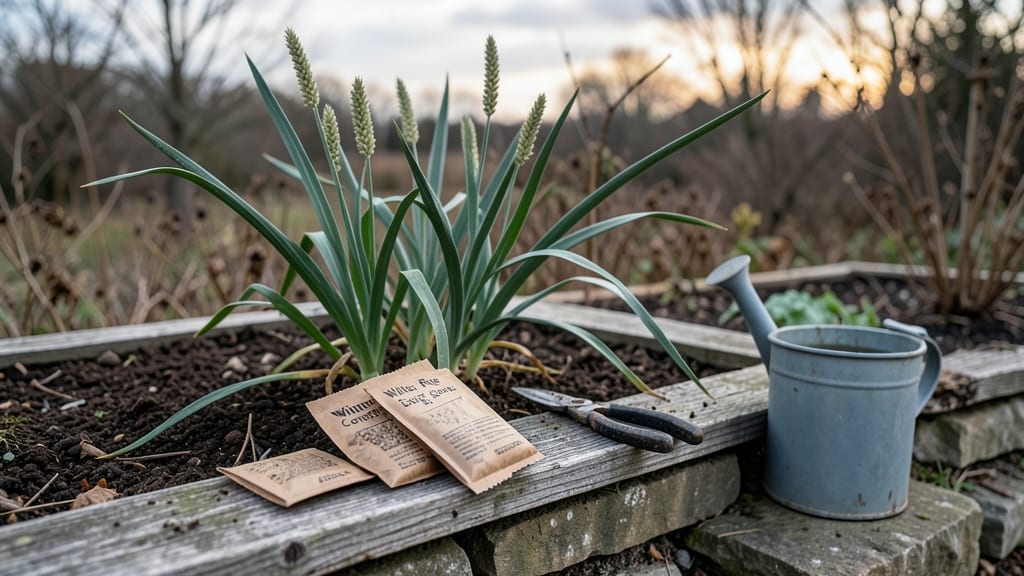
Planting winter rye grass in Oklahoma between mid-August and early September gives it the 4-6 weeks it needs to establish roots before the first frost hits.
Oklahoma’s unpredictable winters can make or break your cover crop success—planting too early risks heat stress, while waiting too long leaves your soil vulnerable to erosion. Timing is everything for a lush, frost-resistant cover crop that protects soil and boosts next year’s harvest.
In USDA zones 6b-8a, the ideal window aligns with soil temperatures dropping below 70°F—a signal that winter rye grass (🌾) is ready to thrive. Northern Oklahoma’s cooler microclimates may shift this window slightly earlier, while southern regions can push it closer to late September.
Below, I’ll break down the exact frost dates by region, soil prep steps to lock in success, and what to do if you miss the window—because even the best-laid plans can go sideways in Oklahoma’s variable climate.
Optimal planting windows for winter rye grass in Oklahoma’s climate zones
Oklahoma’s USDA zones 7b and 8a create unique challenges for winter rye grass planting. Unlike northern states, our mild winters and variable frost dates demand precise timing. Plant too early, and you risk summer heat stress before establishment; too late, and frost can damage tender seedlings.
The sweet spot? 4-6 weeks before your first frost—typically mid-August to early September for most of the state.
But here’s the catch: Oklahoma’s panhandle (zone 8a) can experience frost as early as late October, while eastern Oklahoma (zone 7b) may see first frost in mid-November.
These regional differences mean your planting window could shift by 3-4 weeks depending on location. Always check your local frost date averages before committing to a schedule.
Soil temperature plays a critical role—winter rye grass germinates best when soils are between 60°F and 75°F. In Oklahoma, this usually occurs in late summer, but heatwaves can push ideal planting into early September.
Use a soil thermometer to confirm readiness, especially in urban heat islands where pavement raises temperatures.
For early planting (June-July), you’ll need to irrigate aggressively to prevent drought stress. Late plantings (after September 15) risk frost damage before full establishment. The trade-off? Early plantings may outcompete weeds better, while late plantings give you more summer weed control before winter.
Microclimates within Oklahoma can shift planting windows by 10-14 days. For example, elevated areas like the Wichita Mountains may experience frost 2 weeks earlier than surrounding lowlands.
Urban areas with concrete heat absorption can delay frost by 5-7 days, while river valleys often see earlier frosts due to cold air pooling.
I recommend late August as the safest default for most Oklahoma gardeners. This gives winter rye grass 6-8 weeks to establish before frost while avoiding peak summer heat. For organic matter production, aim for maximum biomass by planting on the earlier end of your zone’s window.
Pro tip: Use a frost date calculator like the Old Farmer’s Almanac or your local Cooperative Extension Service for hyper-localized advice. These tools account for decadal climate shifts that may have changed your area’s frost patterns since traditional guides were published.
After planting, monitor seedling vigor closely. Healthy winter rye grass should show 2-3 inches of growth before frost hits. If growth stalls, consider a light nitrogen top-dressing (like compost tea) to boost establishment without encouraging late-season weed competition.
Remember: Winter rye grass’s primary purpose is soil protection, not harvest. Even if frost hits young plants, they’ll resprout in spring and provide critical erosion control during Oklahoma’s high-wind winter months. 🌾
5 Critical factors that determine your planting success (beyond dates)
While Oklahoma’s frost dates give a general guideline for planting winter rye grass, success depends on factors you can control. The right variety, soil moisture, and planting depth often matter more than calendar dates.
Ignoring these can lead to stunted growth or frost damage, even with perfect timing.
For example, planting too deep or choosing a variety with low frost tolerance can turn your cover crop into a winter casualty. Let’s break down the five key variables that override Oklahoma’s unpredictable planting windows and ensure your rye grass thrives.
- 1.
- 2.
- 3.
- 4.
- 5.
Let’s say you plant in late August in Zone 8a (e.g., Lawton). If your soil is dry or you use a non-hardy variety, early frosts can kill seedlings before establishment.
But with consistent moisture and a Zone 4+ seed, your cover crop will outlast winter and protect your soil.
Another critical tip: Monitor soil temperature with a probe—below 50°F slows germination, while above 80°F can stress seeds. Oklahoma’s panhandle (Zone 7b) may need earlier planting than southeastern OK (Zone 8a) to account for faster cooling.
By focusing on these five factors, you’ll beat Oklahoma’s climate variability. Proper depth, moisture control, and variety selection turn frost dates from a guess into a strategy. Start with these adjustments, and your winter rye grass will thrive—no matter what Mother Nature throws your way. 🌾