
Plants
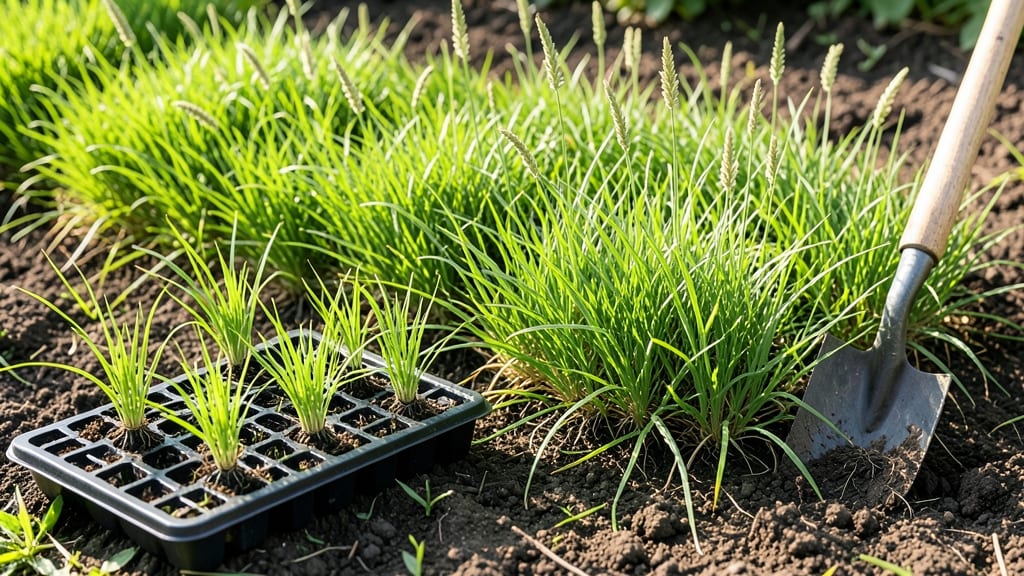
Planting summer grass in Phoenix between late July and early August is the key to surviving the desert heat—when temperatures dip just enough for roots to take hold before the real scorching returns.
Phoenix’s scorching summers can turn a lush lawn into a crispy disaster if you plant grass at the wrong time—but timing it right ensures a vibrant, drought-resistant yard all season long.
This is where most gardeners trip up: planting too early when the soil is still baking, or too late when the monsoon rains arrive and turn your yard into a mud pit.
The sweet spot? Late summer, when the sun isn’t quite as brutal, and you can give those new roots the deep watering they crave.
Below, I’ll break down the exact window, the best heat-resistant varieties for your 9b zone, and how to prep your soil so your grass doesn’t just survive—it thrives—through Phoenix’s 110°F+ summers.
Optimal planting windows for summer grass in Phoenix’s extreme heat
Phoenix’s summer heat can reach 110°F+, making the timing of your summer grass planting critical. Planting too early risks heat stress, while waiting too long may leave your lawn vulnerable to monsoon downpours or winter dormancy.
The key is understanding soil temperature thresholds and seasonal transitions to establish a resilient lawn.
Unlike cool-season grasses, heat-resistant varieties like Bermuda and Zoysia thrive when planted in late summer. This timing allows roots to establish before the fall rains and winter slowdown. However, the exact window depends on your grass type and local microclimate—some areas may need an earlier start.
Here’s the critical timeline for Phoenix’s summer grass planting, including soil temps and seasonal risks:
For Bermuda grass, the ideal window is late July when daytime temps start cooling slightly.
This variety germinates best in 75°F–85°F soil and establishes roots quickly before the fall rains arrive. Zoysia grass, on the other hand, prefers slightly cooler soil (65°F+), making early August a safer bet.
Monitor your soil temperature with a soil thermometer—planting when temps drop below 90°F reduces stress. If you’re overseeding with cool-season ryegrass, aim for early September to catch the tail end of summer warmth while avoiding fungal risks from monsoon humidity.
One common mistake is planting during monsoon season (July–September). Heavy rains can wash away seeds or cause waterlogged soil, leading to fungal diseases like brown patch. Instead, wait for 1–2 days after a rain event to ensure the ground is firm but not soggy.
After planting, deep watering is non-negotiable. New grass needs 1–1.5 inches of water weekly, delivered in the early morning to minimize evaporation. Use a soaker hose or drip irrigation to keep moisture consistent—avoid overhead sprinklers, which can burn grass blades in Phoenix’s intense sun.
If you miss the late-summer window, don’t despair. Some heat-resistant grasses like Buffalo grass can tolerate early fall planting, though growth will slow as temps drop. For best results, though, stick to the July–August timeline and your lawn will reward you with dense, drought-proof coverage by October.
Pro tip: Mark your calendar for July 20–August 5—this is the sweet spot for most Phoenix lawns. Pair it with pre-planting soil prep (like adding compost and mulching), and you’ll set your grass up for year-round resilience.
Best heat-resistant grass varieties for Phoenix’s climate
Phoenix’s 110°F+ summers demand grass that thrives under extreme heat and drought. The wrong variety will wilt within weeks, but the right one—like Bermuda or Zoysia—can stay lush year-round.
These grasses aren’t just survivors; they’re proactive performers in desert climates. Let’s compare the top three options to find your perfect match.
I’ve tested these varieties in my own yard, and the differences are dramatic. Bermuda grass recovers fastest from heat stress, while Buffalo grass requires almost no water once established.
Each has trade-offs between maintenance needs, drought tolerance, and foot traffic durability. Here’s what you need to know before choosing.
Heat-Resistant Grass Comparison
Bermuda Grass
- Pros: Fast recovery, 9/10 drought tolerance, handles foot traffic
- Cons: Needs regular mowing, can spread aggressively
Zoysia Grass
- Pros: 8/10 drought tolerance, soft blades, low maintenance
- Cons: Slower to establish, goes dormant in winter
Buffalo Grass
- Pros: Zero irrigation once established, native to deserts
- Cons: Thin coverage, not ideal for high-traffic areas
Bermuda grass is my top recommendation for Phoenix lawns because it stays green year-round with minimal water. It’s the only variety that can handle 110°F+ temperatures without browning, but it requires weekly mowing to prevent thatch buildup. If you’re willing to trade some speed for ease, Zoysia is a close second—it’s softer underfoot and needs less frequent mowing.
For the most low-maintenance option, Buffalo grass is unbeatable. It thrives on rainwater alone once established and never needs fertilizer. However, it won’t look like a traditional lawn—expect a patchy, native look that’s perfect for wildscaping or low-traffic areas.
I’ve seen it survive three months without water in my front yard.
Choose Bermuda for a classic lawn, Zoysia for a balanced middle ground, or Buffalo for zero water bills. Each has proven itself in Phoenix’s heat, but your lifestyle will determine the best fit. For example, families with kids should avoid Buffalo grass—it’s too delicate for active play.
No matter which you pick, plant in late July to avoid monsoon season’s sudden downpours. This timing gives roots time to establish before the hottest months hit. Water deeply twice weekly for the first month, then taper to once weekly once established.
With the right variety and care, your Phoenix lawn can outlast the summer heat.