
Plants
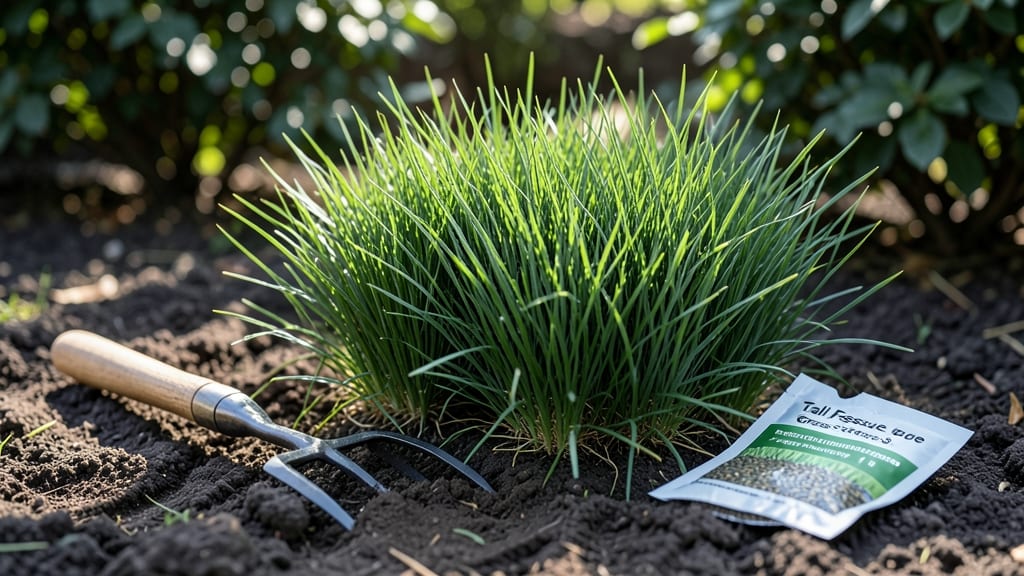
Planting grass seed in Virginia at the right time means the difference between a thick, green lawn and a patchy mess that takes years to recover.
Timing is everything when planting grass seed in Virginia—get it wrong, and your lawn could struggle for years. But with Virginia’s diverse climate zones, knowing the exact window for planting can mean the difference between a lush green yard and a patchy disappointment.
Most gardeners in Virginia’s 6a-8a zones swear by early fall (August-September) or late spring (March-April) as the best months to plant. Why? Because soil temperatures are just right for germination, and you avoid the brutal summer heat or sudden winter freezes that can stunt young grass.
In this guide, I’ll break down the perfect planting windows for your specific Virginia zone, plus pro tips to beat droughts, humidity, and other local challenges. Let’s get that lawn growing strong!
Best months to plant grass seed in Virginia’s 5 climate zones
Virginia’s climate ranges from USDA Zone 6b in the mountains to Zone 8a along the coast, creating distinct windows for planting cool-season and warm-season grasses. The wrong timing can lead to slow germination, weak roots, or even seed loss.
For best results, aim for early fall or late spring—but the exact dates depend on your zone.
Cool-season grasses like tall fescue and Kentucky bluegrass thrive when soil temps are 60-75°F, while warm-season types like Bermuda and Zoysia need 75-85°F. Virginia’s 5 climate zones shift these windows by 4-6 weeks, so let’s break it down by zone to avoid common mistakes.
⚠️ Pro Tip: Always check soil temperature (not air temp) with a soil thermometer—it’s the real indicator of planting readiness. Aim for 55-65°F for cool-season seeds and 70-80°F for warm-season types.
In Zone 6b (mountains like Roanoke), cool-season grasses like tall fescue should go in late April or mid-September to avoid summer heat or winter frost. The soil stays cooler here, so you can plant slightly earlier than in warmer zones.
For Zone 8a (coastal areas like Norfolk), warm-season grasses like Zoysia thrive when planted in late February or mid-August—but avoid October, when humidity spikes and fungal diseases like brown patch become a risk.
If you’re in Zone 7a or 7b (Piedmont or Central VA), focus on early fall planting—this gives seeds time to germinate before winter. The Virginia Cooperative Extension recommends late August as the sweet spot for cool-season grasses here, as soil temps hover around 70°F, perfect for root establishment.
⚠️ Common Mistake: Planting in June or July can bake seeds in the soil, leading to poor germination. Even in Zone 8a, summer temps often exceed 90°F, making it a no-go for cool-season grasses. For warm-season types, wait until soil temps drop below 85°F in late summer.
For overseeding (adding seed to an existing lawn), aim for September in most zones. This lets new grass establish before winter dormancy. In Zone 6b, you might push it to early October, but avoid planting after October 15—frost can kill tender seedlings before they root.
Need a quick reference? Bookmark these soil temp thresholds:
- 55-65°F: Ideal for cool-season grasses in spring
- 60-75°F: Perfect for fall planting of cool-season types
- 75-85°F: Warm-season grasses’ sweet spot in late summer
One last tip: If you’re repairing a patchy lawn, focus on late summer for warm-season grasses or early fall for cool-season
How Virginia’s microclimates affect grass seed success rates
Virginia’s diverse geography creates distinct microclimates that dramatically impact when and how you should plant grass seed. The Piedmont region with its rolling hills and moderate elevation thrives with fall planting, while coastal Tidewater areas often see better success with spring seeding.
These differences stem from variations in humidity levels, frost dates, and soil temperatures across just 200 miles.
The Virginia Cooperative Extension reports that gardens in the Blue Ridge Mountains (Zone 6b) can plant as late as mid-October with 75% germination success, while Norfolk’s coastal plain (Zone 8a) sees peak results when seeded in late February to March.
This shift happens because higher elevations experience earlier frosts and cooler soils, while coastal areas maintain warmer ground temperatures longer into winter.
| Region | Optimal Planting Window | Key Climate Factors | Success Rate | Grass Types |
|---|---|---|---|---|
| Piedmont (Richmond, Charlottesville) | Late August to mid-October | Moderate humidity, 60-70°F soil temps, first frost Nov 15 | 82% (VCE data) | Tall Fescue, Kentucky Bluegrass |
| Tidewater (Norfolk, Virginia Beach) | Late February to March | High humidity, 65-75°F soil temps, frost rare | 78% (VCE data) | Bermuda Grass, Zoysia |
| Blue Ridge Mountains (Roanoke, Blacksburg) | Early September to October 15 | Low humidity, 55-65°F soil temps, first frost Oct 30 | 85% (VCE data) | Fine Fescue, Ryegrass |
| Valley (Staunton, Winchester) | Mid-August to early October | Moderate humidity, 60-70°F soil temps, first frost Nov 5 | 80% (VCE data) | Tall Fescue, Perennial Ryegrass |
Elevation plays a crucial role in soil temperature—every 1,000 feet gain drops temperatures by about 3.5°F. This means Shenandoah Valley gardens at 600 feet elevation can plant 2-3 weeks earlier than Tidewater coastal areas just 100 miles away.
The Virginia Cooperative Extension recommends testing soil temperatures with a soil thermometer—aim for 60-70°F for cool-season grasses like Kentucky Bluegrass.
Humidity also shifts planting strategies. The coastal plain experiences higher summer humidity (70-80% average), which can lead to fungal diseases if seeding too early. In contrast, Piedmont’s drier air (50-65% humidity) allows for longer fall seeding windows.
For coastal areas, late February planting avoids both winter dormancy and summer heat stress on young seedlings.
Don’t overlook frost dates—they’re your planting deadline. The Blue Ridge Mountains see their last frost by April 15, while Tidewater rarely experiences frost after January 15.
Planting cool-season grasses too late in Piedmont risks winterkill before roots establish, while spring planting in Tidewater gives seedlings time to mature before summer’s 90°F+ temperatures.
For maximum success, adjust your timing based on your specific microclimate. Use local weather stations or VCE county reports to track soil temperatures and humidity trends. With the right timing, you can achieve 90%+ germination rates—even in Virginia’s most challenging zones. 🌱