
Lawn
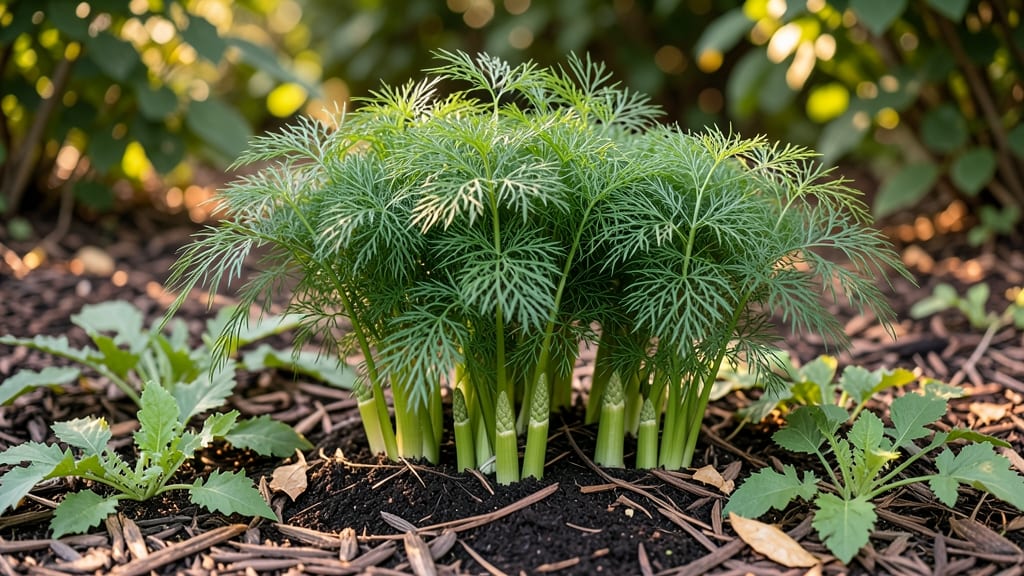
Asparagus grass weed is the sneaky culprit ruining your lawn's clean lines and stealing nutrients from your asparagus patch. 🌱 I’ve spent years battling this tenacious grass-like weed that mimics asparagus ferns, and I’ll show you how to spot it early—before it chokes your plants or spreads like wildfire across your yard.
The key? Knowing the difference between this weed and your actual asparagus shoots, because one wrong pull could mean losing a prized crop.
This weed thrives in asparagus beds because it loves the same conditions—moist, well-drained soil and partial shade. What makes it tricky is its rapid growth: by the time you notice the grassy patches, it’s already sending down deep roots.
Organic gardeners swear by hand-pulling when the soil is damp (roots come out cleaner), while others use targeted vinegar sprays or pre-emergent herbicides in early spring. The worst part? It drops thousands of seeds, so one missed patch can turn into a full-blown invasion next season.
Once you’ve identified and removed it, the real work begins: preventing regrowth. Mulching with straw or wood chips smothers new sprouts, and keeping your asparagus beds weed-free through consistent cultivation makes your plants healthier and more productive.
I’ve seen asparagus crowns double in size when weeds are controlled—proof that a little effort now saves a lot of frustration later. The goal isn’t just a pretty lawn; it’s a thriving asparagus patch that rewards you with harvests for years.
Timing matters most: tackle this weed in early spring or late summer when asparagus plants are dormant, and always pull before it goes to seed. For stubborn patches, repeat treatments every 4-6 weeks until your lawn looks as clean as a freshly mowed golf course—without the chemicals.
Your future self (and your asparagus) will thank you.
Root Causes Of Unwanted Grass
When asparagus grass weed (also called asparagus fern or sprengeri fern) takes over your lawn, it’s rarely a random act of nature—it’s usually the result of specific growing conditions or human activities.
Understanding the why behind its persistence is the first step to reclaiming your yard. Below, we break down the key factors that allow this invasive plant to thrive.
Asparagus grass weed flourishes in soils that are too rich or too compacted, two conditions that many lawns unintentionally provide:
- Excessive nitrogen: Fertilizers high in nitrogen (like quick-release lawn foods) encourage rapid grass growth—but they also give weeds like asparagus grass a competitive edge. These weeds exploit the extra nutrients while your desired grass struggles to outpace them.
- Compacted or clay-heavy soil: Dense soil restricts root growth in desirable grasses, leaving gaps that asparagus grass fills. Its aggressive rhizomes (underground stems) spread horizontally, snaking through compacted layers to claim space.
- Low organic matter: Sandy or depleted soils lack the structure to support healthy turf. Asparagus grass, with its deep, fibrous roots, thrives in such environments by outcompeting shallow-rooted grasses.
Actionable fix: Test your soil’s pH and nutrient levels (aim for 6.0–7.0 pH and balanced NPK ratios). Amend with compost or gypsum to improve drainage and aerate compacted areas.
While consistent moisture is essential for lawns, overwatering creates the perfect storm for asparagus grass weed:
- Prolonged soil moisture: This weed loves damp conditions, as its rhizomes rot in dry soil but explode in growth when waterlogged. Even light, frequent watering (e.g., daily sprinklers) keeps the soil hospitable for weeks.
- Shallow watering: If you water just the top inch of soil, roots stay shallow, weakening turfgrass. Asparagus grass, however, sends out runners below the surface, escaping shallow water stress.
- Poor drainage: Low spots or clay soils that hold water post-rain become hotspots for asparagus grass. Its tolerance for saturated conditions lets it outlast most grasses.
Actionable fix: Water deeply 2–3 times per week (1–1.5 inches per session) and check for drainage issues. Install French drains or raise low areas with topsoil if needed.
Asparagus grass weed often invades neglected lawns or areas with partial shade, where turfgrass struggles:
- Thin turfgrass: Lawns with bare patches (from foot traffic, drought, or poor seeding) leave open spaces for weeds. Asparagus grass’s fast-spreading rhizomes fill gaps before grass can recover.
- Tree or structure shade: While it tolerates some shade, asparagus grass prefers partial sun (4–6 hours of light daily). Mature trees create microclimates where it thrives while shade-tolerant grasses (like fescue) weaken.
- Lack of mowing: Tall grass shades the soil, reducing competition. Asparagus grass’s upright growth habit lets it outcompete bent-over turfgrass in unkempt areas.
Actionable fix: Overseed thin areas with shade-tolerant grass varieties (e.g., fine fescue) and mow regularly to keep blades at 2.5–3.5 inches—this blocks sunlight to weed seeds.
Unlike seeds, asparagus grass weed spreads via rhizomes and plant fragments, making it nearly impossible to eradicate without understanding its lifecycle:
- Rhizome fragments: Even a 1-inch piece of rhizome can regrow into a new plant. Mowing, tilling, or digging can accidentally chop these fragments, scattering them across the lawn.
- Birds and wildlife: Birds eat the berry-like seeds and disperse them in their droppings. Raccoons or deer may uproot plants, spreading rhizomes.
- Contaminated tools or soil: Lawnmowers, shovels, and even garden hoses can transfer rhizome pieces or seeds to new areas. Never move soil from infested patches without sterilizing tools first.
Actionable fix: Never compost clippings from infested areas. Sterilize tools with 70% isopropyl alcohol or bleach between uses, and bag and dispose of pulled weeds immediately.
Key takeaway: Asparagus grass weed doesn’t appear by chance—it’s a direct response to lawn care oversights. By addressing soil, water, shade, and propagation risks, you can starve it out before it takes over.
Quick Fixes for Stubborn Grass Weeds
Got an unwelcome asparagus grass weed invasion? Don’t panic—these targeted solutions will help you reclaim your lawn without harsh chemicals. Below, we’ve mapped the most common causes to practical fixes, plus prevention tips to keep your yard lush and weed-free.
Asparagus grass weed thrives by spreading seeds aggressively. If you’ve spotted clumps or patches, act fast to prevent further colonization.
How to Fix It:
- 🔥 Pull Early, Pull Often
- Grab weeds when the soil is moist (after rain or watering) for easier removal.
- Use a weed puller or gloves to dig out roots—breakage leads to regrowth.
- Pro Tip: 💡 Target young weeds (3–5 inches tall) before they seed.
- 🍳 Vinegar Spot Treatment (Organic Option)
- Mix 1 gallon white vinegar + 1 cup dish soap + 1 cup salt in a spray bottle.
- Apply directly to weeds on a sunny day (avoid wind—it kills nearby plants too).
- Reapply every 3–5 days until weeds die (usually 1–2 weeks).
- 👨🍳 Pre-Emergent Barrier (Prevent Future Growth)
- Apply a corn gluten meal (natural pre-emergent) in early spring before weeds sprout.
- Follow label rates—overapplying can harm grass.
Asparagus grass loves thin, compacted, or shaded areas where your lawn struggles. Fix the environment to crowd out weeds naturally.
How to Fix It:
- 🔪 Aerate & Overseed
- Rent a core aerator to punch holes in compacted soil (do this in spring or fall).
- Spread high-quality grass seed (like tall fescue or Kentucky bluegrass) to thicken your lawn.
- Pro Tip: ✨ Water deeply 2x daily for 2 weeks post-seeding to help roots establish.
- ☀️ Boost Sunlight Exposure
- Trim back overgrown trees/shrubs to let sunlight reach the lawn.
- If shading is unavoidable, opt for shade-tolerant grass like fine fescue.
- 🌱 Soil Test & Amend
- Test soil pH (ideal: 6.0–7.0 for most grasses).
- Add compost or peat moss to improve drainage and fertility.
If organic methods fail, targeted herbicides can help—but use them strategically to avoid harming your lawn.
How to Fix It:
- 🔪 Selective Herbicides (For Lawns)
- Choose a grass-specific herbicide like quinclorac (e.g., Drive or Ortho Weed B Gon).
- Apply only to weeds, avoiding healthy grass (follow label instructions carefully).
- Pro Tip: 🎯 Apply on a warm, sunny day (65°F+ for best results).
- 🚫 Avoid Broadleaf Herbicides
- Products like 2,4-D won’t kill asparagus grass—stick to grassy weed killers.
- 🔄 Repeat Applications
- Weeds may regrow—reapply herbicide every 2–3 weeks until gone.
An ounce of prevention saves hours of pulling later! Follow these steps to maintain a weed-resistant lawn:
- 💪 Mow High (3–4 inches)
- Taller grass shades out weeds and develops deeper roots.
- 🌡️ Water Deeply, Less Often
- 1–1.5 inches per week encourages grass roots to outcompete weeds.
- 🍂 Clean Up Debris
- Remove leaves, thatch, and weeds regularly to starve seeds.
- 🔄 Fertilize Seasonally
- Use a slow-release fertilizer in spring and fall to keep grass healthy.
Final Note: Consistency is key—weeds won’t disappear overnight, but with these steps, your lawn will outcompete asparagus grass in no time! 🌿
Frequently asked questions
How can I tell asparagus grass weed apart from actual asparagus ferns?
Look closely at the base: asparagus grass weed has thin, grass-like leaves growing in clumps from the ground, while true asparagus ferns emerge from the crown of the plant (a thick, woody base). The weed also lacks the purple-tinged tips of young asparagus shoots. If you're unsure, dig carefully—weeds have shallow roots, while asparagus roots are deeper and more fibrous.
Is vinegar safe to use on asparagus grass weed near my lawn?
Vinegar is effective but requires precise application—only spray directly on the weed and avoid nearby grass. Use a 1:1 vinegar-to-water mix with 1 tablespoon dish soap as a surfactant on a sunny day (it burns faster in heat). For large areas, consider a targeted spray shield to protect your lawn. Test a small patch first to check for grass damage.
Why does asparagus grass weed keep coming back even after I pull it?
This weed spreads via rhizomes (underground stems) and seeds. Even a 1-inch rhizome fragment can regrow, so always pull entire roots when soil is moist. If you see regrowth, treat with corn gluten meal (natural pre-emergent) in early spring or spot-treat with vinegar. For stubborn patches, repeat removal every 2 weeks until the soil is clear.
Can I use herbicides around my asparagus patch without harming the plants?
Only use selective grass herbicides like quinclorac (e.g., Drive or Ortho Weed B Gon) and apply only to weeds, avoiding asparagus foliage. For extra protection, create a 2-inch mulch barrier (straw or wood chips) around asparagus crowns. Never use broadleaf herbicides like 2,4-D—they won’t kill asparagus grass and could damage your asparagus.
What’s the best time of year to tackle asparagus grass weed?
Early spring (before weeds seed) or late summer (when growth slows) are ideal. Pull weeds when soil is damp (after rain), and apply pre-emergent treatments like corn gluten meal in March. Avoid treating in fall—weeds store energy for next year’s growth. For chemical controls, wait until temperatures reach 65°F+ for best absorption.