
Plants
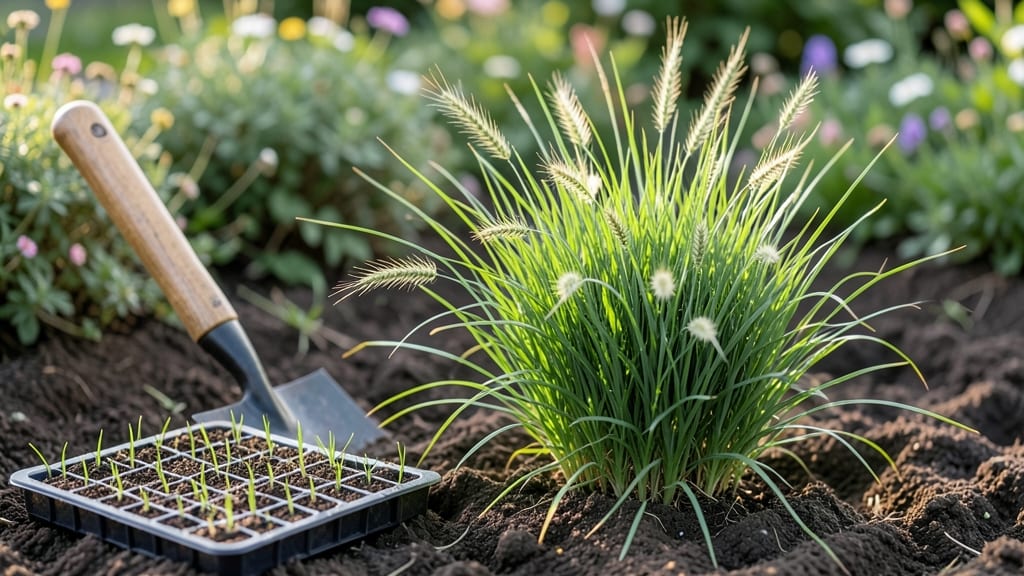
Planting rye grass seed in Texas at the right time ensures fast germination and a thick, drought-resistant lawn—but miss the window, and you’re stuck with patchy growth or weeds taking over.
Picture this: you’ve spent hours prepping your soil, only to watch seeds sprout unevenly or fail entirely because the heat arrived too soon. That’s why late summer to early fall (August–October) is your golden window, when soil stays warm enough for roots to establish before winter slows things down.
Texas’ 8a–10b zones mean North Texas gardeners should aim for early September, while South Texas can push into October. Early spring (February–March) is a backup, but summer’s brutal heat makes it riskier—unless you’re overseeding an existing lawn.
Below, I’ll break down the exact months for your region, soil prep secrets to avoid common failures, and how to keep your 🌾 ryegrass thriving through Texas’ unpredictable weather.
Best months to plant rye grass seed in Texas for fast germination
Timing your rye grass seed planting in Texas makes the difference between a thick, drought-resistant lawn and a patchy, weed-infested mess. The ideal window depends on your region—North Texas, Central Texas, or South Texas—because soil temperatures and rainfall patterns vary dramatically.
Plant too early, and seeds rot; too late, and summer heat kills them before roots establish.
For fast germination, aim to plant 4-6 weeks before the first frost in your area. This gives seeds time to sprout and develop deep roots before winter dormancy.
In Texas, that typically means late August through October for fall planting, with a secondary window in early spring (February-March) for overseeding. Let’s break it down by region.
Soil temperature is the #1 factor for rye grass success. Seeds need soil temps between 50°F and 75°F to germinate properly. In North Texas (USDA Zone 7-8), soil cools faster, so plant by mid-October. In Central Texas (Zone 8), extend planting to early November. South Texas (Zone 9-10) can plant until late October thanks to milder winters.
Rainfall also plays a critical role. Texas summers are too hot and dry for rye grass seeds—90°F+ soil temperatures can kill them in days. That’s why fall planting is ideal: cooler temps and natural rainfall (especially in September-October) keep seeds moist without overwatering risks.
In North Texas, expect 3-5 inches of rain/month during this window; Central and South Texas see even more.
| Region | Best Planting Window | Soil Temp Range (°F) | Rainfall (in/month) | Key Tip |
|---|---|---|---|---|
| North Texas (Zone 7-8) | Late August - Mid-October | 55-70°F | 3-5 inches | Plant by October 15 to avoid early frost |
| Central Texas (Zone 8) | Late August - Early November | 58-72°F | 4-6 inches | Use shade cloth if planting late October |
| South Texas (Zone 9-10) | Late August - Late October | 60-75°F | 5-7 inches | Can plant until November 1 in mild winters |
| Spring Overseeding | February - Early March | 60-70°F | 2-4 inches | Water daily until germination (7-14 days) |
Spring planting is possible but riskier. If you overseed in February-March, focus on North Texas first—soil warms faster there. In Central and South Texas, spring heat arrives too quickly, and seeds may dry out before sprouting.
If you choose spring, water daily until germination (usually 7-14 days) and use a light mulch to retain moisture.
One common mistake? Waiting until November. By then, soil temperatures drop below 50°F, slowing germination. Instead, plant 6-8 weeks before the first frost—that’s early October in most of Texas.
Use a soil thermometer to confirm temps are ideal before seeding. Pro tip: Morning planting reduces evaporation and gives seeds a cooler start.
For fastest germination, pair your planting with consistent moisture. Texas’ clay-heavy soils can dry quickly, so water lightly 2x daily for the first week.
Once sprouts appear (usually 7-10 days), reduce to deep watering 2-3x weekly. Avoid overhead sprinklers—they can wash away seeds or cause fungal issues.
Don’t overlook weed competition either. Rye grass grows slowly at first, so apply a pre-emergent herbicide 2 weeks before planting to block weeds. In North Texas, winter weeds like henbit and dandelions are aggressive; in South Texas, watch for bahiagrass and kudzu vine encroaching.
A light nitrogen fertilizer (10-10-10) at planting can also give young rye grass a growth boost.
If you’re overseeding an existing lawn, mow short (1-1.5 inches
How to choose the right rye grass variety for Texas drought resistance
Texas’ USDA zones 7-9 mean brutal summer heat and unpredictable rainfall—so selecting the right rye grass variety isn’t just about aesthetics, it’s about survival. Annual rye grass (like 'Marshall') germinates fast but dies with summer’s first heatwave, while perennial types (such as 'Wintergreen') tough it out year-round.
For drought resistance, hybrids like 'TAMU 404' are engineered to thrive with minimal water once established.
Your climate zone dictates which type wins. In North Texas (Zone 8a), where winters dip below freezing, perennial rye grass dominates—it establishes roots before winter and rebounds in spring.
But in South Texas (Zone 9b), annual varieties often outperform perennials because they avoid the stress of extreme summer heat. Soil moisture retention is critical: clay-heavy soils (common in Texas) need amendments like compost or gypsum to prevent water runoff.
Here’s how the top drought-resistant rye grass varieties stack up for Texas conditions:
| Variety | Type | Drought Tolerance | Best For | Germination Time |
|---|---|---|---|---|
| Marshall | Annual | Moderate (needs watering) | North/Central Texas | 7-14 days |
| Wintergreen | Perennial | High (deep roots) | All Texas zones | 10-21 days |
| TAMU 404 | Hybrid Perennial | Very High (Texas-bred) | South/Central Texas | 5-10 days |
| Elite | Annual | Low (requires irrigation) | Temporary cover | 5-7 days |
Wintergreen is my top pick for year-round performance in Texas—its deep root system taps into moisture even during droughts, and it recovers from foot traffic better than annuals. For quick germination (ideal if overseeding in late summer), 'Elite' or 'Marshall' are faster starters but won’t survive Texas summers long-term. Pro tip: Mix perennial and annual seeds (e.g., 70% Wintergreen + 30% Marshall) for a hybrid approach that balances speed and durability.
Texas’ USDA Zone 9 gardeners should avoid cool-season grasses like Kentucky bluegrass—they’ll crisp in heat.
Instead, focus on warm-season overseeding with drought-tolerant rye grass in late summer (August-September) to outcompete weeds before winter. Soil temperature is your best guide: Plant when it’s between 60°F and 75°F—any hotter, and seeds risk drying out before sprouting.
Once planted, reduce watering after 4 weeks to encourage deep roots. In Zone 8a, perennial rye grass may need one deep watering per week during droughts, while Zone 9b varieties like TAMU 404 can stretch to bi-weekly watering.
Mulch with straw (not wood chips) to lock in moisture—this is non-negotiable in Texas’ evaporative climate.
Don’t overlook seed coating—look for polymer-coated rye grass seeds (like those from Pennington or Scotts). The coating slows moisture loss, giving seeds a critical 2-week head start in Texas’ dry air.
Pair this with light fertilization (10-10-10 NPK) at planting, and you’ll see lush germination even in USDA Zone 9’s intense heat.