
Planting
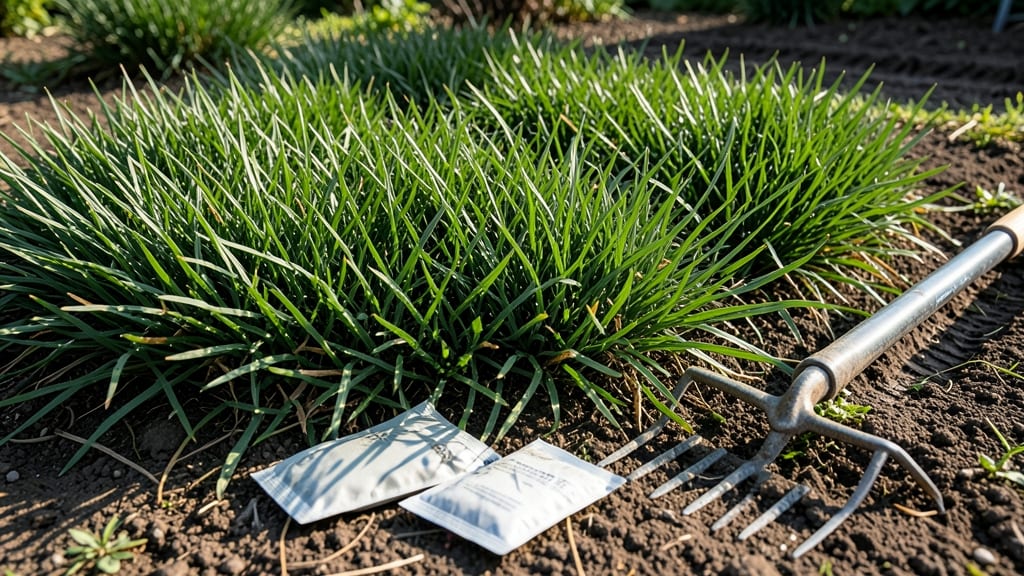
To plant grass seed in Florida at the right time means beating the heat and humidity—aim for late summer or early fall when soil stays cool enough for strong germination.
Skipping this window risks your new 🌱 turfgrass wilting under Florida’s brutal summer sun before it even takes root. The difference between a lush lawn and a patchy disaster often comes down to timing and prep.
In this guide, I’ll break down the best months for your region (North vs. South Florida), how to prep your soil for Florida’s sandy or clay-heavy ground, and the watering tricks that keep seedlings alive through our unpredictable rains.
You’ll also learn how to spot common mistakes—like planting during a heatwave or ignoring chinch bugs—that turn a fresh lawn into a failed experiment. Let’s get your grass off to the right start.
Best months to plant grass seed in Florida by climate zone
Florida’s climate varies dramatically from its cool northern regions to its tropical southern zones, making timing critical for successful grass seed germination. In North Florida, cooler winters and hotter summers demand precise planting windows, while South Florida’s year-round warmth allows for more flexibility—but still requires strategic planning.
Each grass type, from heat-loving Bahia to shade-tolerant St. Augustine, thrives during specific seasons.
To avoid seedling stress from extreme heat or drought, I recommend planting when soil temperatures hover between 65-75°F. This sweet spot ensures consistent moisture retention and reduces fungal risks. Florida’s three distinct climate zones—North, Central, and South—each offer unique windows for optimal results.
Let’s break down the best months for each zone and grass type to help you time your planting perfectly.
Feb - March
Sept - Oct
Sept - Oct
Sept - Oct
Sept - Nov
How to prepare your Florida lawn for grass seed success
Florida’s sandy soils and humid climate create unique challenges for grass seed germination. Without proper prep, your seed can wash away, dry out, or fail to establish roots before pests take over.
The key is creating the perfect balance of moisture retention, nutrient-rich soil, and weed-free conditions before planting.
Start by testing your soil pH—most Florida grasses thrive in a slightly acidic range (6.0-6.5). Sandy soils often need organic matter like compost to improve water retention, while clay pockets may require gypsum to break up compaction.
Don’t skip this step, as even a 1-point pH shift can reduce germination by 30%.
✅ Step-by-Step Prep Guide for Florida Grass Seed
- Step 1: Test Soil – Use a DIY pH test kit or send a sample to your local UF/IFAS Extension office. Aim for 6.0-6.5 pH.
- Step 2: Adjust pH – Add sulfur (for high pH) or lime (for low pH) 2-3 weeks before planting. Re-test after 2 weeks.
- Step 3: Clear Debris – Remove rocks, weeds, and thatch using a lawn rake or dethatching tool. Target 1/4-inch thatch max.
- Step 4: Loosen Soil – Aerate sandy areas with a core aerator (1/2" deep) to improve seed-to-soil contact. For clay pockets, till lightly.
- Step 5: Add Organic Matter – Spread 1/4-inch compost or peat moss over the area, then lightly rake in. Focus on bare spots or high-traffic zones.
- Step 6: Pre-Water Soil – Water deeply 24 hours before planting to ensure moisture consistency at planting depth (1-2 inches down).
- Step 7: Apply Pre-Emergent – Use a grassy weed killer (like pendimethalin) 1 week before seeding to block weeds without harming grass.
Florida’s seasonal pests like chinch bugs and mole crickets can devastate new grass seed. Apply a broad-spectrum insecticide (like bifenthrin) 3-5 days before planting to create a protective barrier. Focus on areas with yellowing patches or visible insect activity.
After prepping, lightly rake the soil to create fine furrows (1/8-inch deep) for seed placement. This ensures consistent soil contact and prevents seed from washing away during Florida’s sudden summer rains. For sandy soils, mix seed with peat moss (1:1 ratio) to improve moisture retention.
Finally, set up a drip irrigation system or soaker hose to deliver 1/4-inch water daily for the first 2 weeks. Florida’s high humidity means morning watering (before 9 AM) is critical to prevent fungal diseases like brown patch. Keep the soil consistently moist but never soggy.
With these steps, your Florida lawn will have the ideal foundation for seed germination—balancing moisture, nutrients, and pest protection to outperform the challenges of our unique climate. 🌱