
Plants
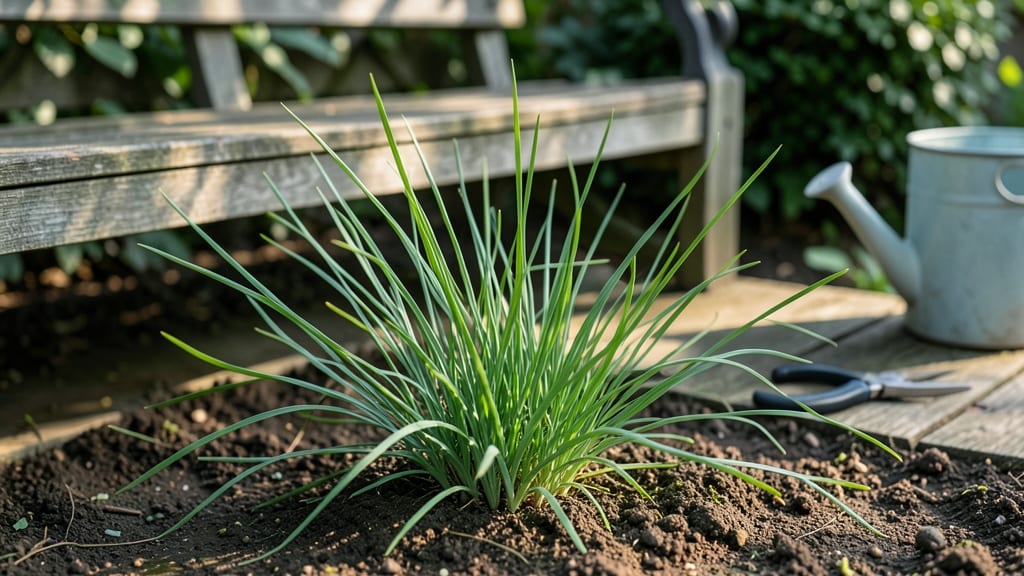
Planting rye grass in Florida between late summer and early fall ensures it thrives during the cooler months 🌾 — but timing is everything for germination and growth.
Florida’s warm winters and unpredictable weather can make timing your rye grass planting tricky—but getting it right ensures a lush, resilient lawn before summer’s heat sets in.
North Florida’s cooler climate (USDA zones 8a-9a) gives you a wider window from August through October, while South Florida’s mild winters (zones 10a-11) favor December to February planting.
Below, I break down the best months for your region, soil prep tips, and how to keep your rye grass thriving through Florida’s unique growing conditions.
Optimal Florida planting windows for rye grass germination
Timing your rye grass planting in Florida is all about balancing soil temperatures and rainfall patterns. Unlike northern states, Florida’s mild winters and humid summers create unique windows for success.
The ideal planting window spans from late summer through early fall, with secondary opportunities in late fall for northern regions.
Rye grass thrives when soil temperatures hover between 60°F and 75°F. In Florida, this typically occurs in September and October, when summer’s intense heat begins to fade.
These months offer consistent rainfall (4-6 inches/month) while avoiding the extreme humidity of summer that can promote fungal diseases in young seedlings.
For gardeners in North Florida (zones 8a-9a), late fall planting (November) is also viable, as cooler temperatures slow weed competition. However, South Florida gardeners (zones 10a-11) should focus on September-October, as their warmer winters mean rye grass can establish year-round with proper irrigation.
Here’s a quick reference for Florida’s planting windows based on climate zones:
| Climate Zone | Primary Planting Window | Secondary Window | Soil Temp Ideal | Rainfall Needs |
|---|---|---|---|---|
| North Florida (8a-9a) | September-October | November (late fall) | 60°F-75°F | 4-6 inches/month |
| Central Florida (9b-10a) | September-October | None (year-round possible) | 65°F-78°F | 3-5 inches/month |
| South Florida (10b-11) | September-October | Year-round with irrigation | 70°F-80°F | 2-4 inches/month |
Why September-October? These months provide the perfect balance of cooler air and warmer soil, accelerating germination while minimizing stress from Florida’s summer heatwaves. The higher humidity also supports seedling establishment, though you’ll need to monitor for fungal spores like brown patch disease.
For overseeding existing lawns, aim for late August to early September. This gives rye grass time to establish before cool-season weeds like chickweed take hold. In North Florida, a second overseeding in November can extend winter coverage, but South Florida rarely needs this due to milder winters.
Pro tip: Test your soil pH before planting—rye grass prefers 6.0 to 7.0. Florida’s sandy soils often need lime amendments to raise pH, especially in acidic regions like the Panhandle. A simple $20 soil test kit from your local extension office will save you headaches later.
Watering is critical during germination. Keep soil consistently moist (not soggy) for the first 3-4 weeks after planting. In Florida’s dry spells, supplement rainfall with drip irrigation set to 0.5 inches/day. Avoid overhead watering at dusk to prevent fungal growth.
If you miss the September-October window, don’t despair. Winter planting (December-February) works in North Florida, where frost risk is higher. Just adjust your fertilizer schedule—apply a starter fertilizer with high phosphorus (e.g., 10-20-10) to boost root development before cooler temps set in.
Remember: Rye grass is a cool-season annual, meaning it thrives in Florida’s winter months but goes dormant in summer heat. Planting at the right time ensures your lawn stays green and resilient when other grasses struggle.
How Florida’s microclimates affect rye grass planting timing
Florida’s diverse climate zones create unique challenges for rye grass planting. The Panhandle region (North Florida) experiences cooler winters and occasional frost, while Central/South Florida enjoys frost-free winters with consistent warmth. These differences dramatically impact your planting schedule and grass establishment success.
In North Florida, rye grass thrives when planted 4-6 weeks before frost—typically between mid-September and early November. The cooler temperatures help seeds germinate before winter dormancy sets in.
Meanwhile, Central/South Florida gardeners can plant year-round, though late summer to early fall (August-October) remains ideal for optimal growth before summer heat returns.
| Factor | North Florida (Panhandle) | Central/South Florida |
|---|---|---|
| Best Planting Window | Mid-September to early November | August-October or year-round |
| Frost Risk | High (first frost Nov 15) | None (frost-free year-round) |
| Soil Temperature | 50-65°F for germination | 60-75°F optimal |
| Heat Tolerance | Moderate (goes dormant in summer) | Low (struggles above 85°F) |
| Overseeding Window | Late summer (July-August) | Year-round with irrigation |
The Panhandle’s cooler climate allows rye grass to establish roots before winter, making it more frost-resistant. In contrast, Central/South Florida’s warmth means rye grass may struggle during peak summer heat unless you provide shade and extra water. For both regions, late summer overseeding (July-August) helps prevent winter bare spots.
If you’re in North Florida, prioritize fall planting to avoid summer dormancy. South Floridians can experiment with year-round planting, but always monitor soil moisture during dry spells. Both regions benefit from well-draining soil and regular mowing to encourage dense growth.
Remember: Rye grass thrives in cooler weather, so timing your planting to align with Florida’s seasonal shifts is key. Whether you’re in the Panhandle or Miami, adjust your schedule based on local frost dates and heat patterns for the best results.
For North Florida, aim for September-October planting, while Central/South Florida can extend planting into November. Always check your local USDA hardiness zone for precise timing recommendations.