
Planting
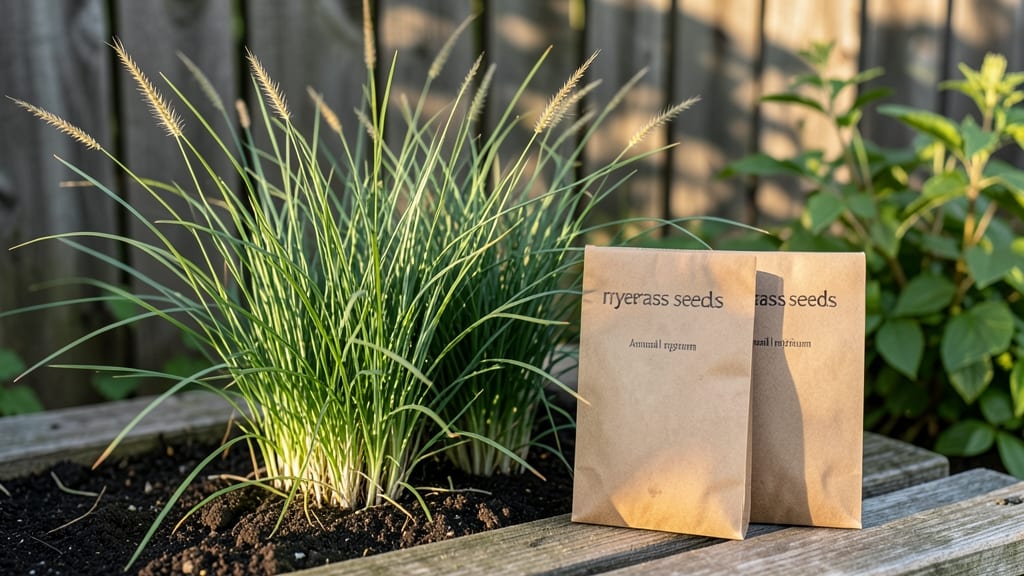
Planting rye grass in Texas at the right time means the difference between a fast, lush cover and a failed patch that fades before spring.
Texas gardeners know timing is everything—plant too early, and frost will kill it; too late, and summer heat stifles growth. But mastering the perfect window for Texas’ diverse climate zones can mean year-round coverage without the guesswork.
In USDA zones 8a-10a, the best windows are late summer to early fall (August-October) for winter coverage or December-February for spring grazing. The key? Planting 4-6 weeks before the first frost—whether that’s November in North Texas or January in the South.
Below, I break down the exact dates by region, soil prep tricks for fast germination, and how to avoid the three mistakes that wreck Texas rye grass plantings every year.
Texas ryegrass planting calendar by climate zone (North vs. Central vs. South)
Texas’ three distinct climate zones—North, Central, and South—create wildly different conditions for ryegrass germination. In North Texas (USDA Zones 7b-8a), frost can arrive as early as December 1, while South Texas (Zones 9a-10a) often avoids frost until January.
Central Texas (Zones 8a-8b) falls somewhere in between, with 10-14 days of frost-free grace compared to its neighbors. These variations mean your planting window could shift by 6+ weeks depending on where you live.
Ryegrass thrives when soil temperatures hover between 60°F and 75°F, but Texas’ summer heat can push temps above 90°F, slowing germination. The key is planting 4-6 weeks before the first frost—for North Texas, that’s mid-October, while South Texas gardeners can extend planting until early December.
Spring plantings are also possible, but late winter (February) is riskier due to unpredictable heat waves.
Germination speed varies by zone too. In North Texas, seeds typically sprout in 7-14 days when planted in September, but South Texas may see 10-21 days due to slower soil warming. Central Texas usually falls in the middle, with 8-16 days to first green. Overseeding existing lawns requires even more precision—wait until current grass is dormant (usually late August to early October) to avoid competition.
For North Texas gardeners, focus on late August to mid-October plantings.
This window ensures seeds germinate before November’s first frost and establishes roots before winter dormancy. Central Texas has a slightly longer window—September through November—but avoid planting after November 15 to prevent frost damage. South Texas is the most flexible, with October to mid-December as ideal, but heat stress after mid-November can stunt growth.
Spring plantings are possible but risky. In North Texas, aim for early February to avoid March heat waves, while Central and South Texas can push to mid-February.
However, summer heat will likely stress young seedlings, so shade cloth may be necessary. Overseeding in spring is rarely successful—stick to fall for best results.
Don’t overlook microclimates within your zone. Urban areas like Dallas or Houston can be 5-10°F warmer than rural spots, delaying frost. Hilltops freeze faster than valleys, so adjust planting dates accordingly.
If you’re unsure, check your local AgriLife Extension office for hyper-local frost data—they track first and last frost dates annually.
Once you’ve nailed the planting window, prepare your soil by raking out debris and lightly aerating compacted areas. North Texas soils often need compost amendment to improve drainage, while South Texas clay may require gypsum to break up hardness. Water deeply after planting—1 inch per week—to encourage root growth before dormancy sets in.
Remember, ryegrass is a cool-season grass, so it won’t survive Texas summers. Your goal is to establish a dense winter cover that prevents erosion and crowds out weeds. In North Texas, it may stay green until April, while
Signs your Texas soil is ready for ryegrass (beyond just dates)
Don’t rely solely on calendar dates when planting ryegrass in Texas. The perfect planting window depends on soil conditions that vary by region. While late August to October is ideal for most Texans, your soil’s temperature and moisture levels are the real indicators of readiness.
A soil thermometer is your best tool—aim for 60-75°F at a 2-inch depth for optimal germination.
Texas’ unpredictable rain patterns add another layer of complexity. Even if the calendar says it’s time, dry soil will delay germination. Before planting, check moisture by grabbing a handful—it should hold together but not feel soggy.
If your soil is bone-dry, water deeply 24 hours before seeding to create the ideal environment for fast germination.
- Soil Temperature: 60-75°F at 2" depth (use a thermometer!)
- Moisture Level: Damp but not waterlogged (squeeze test)
- Rainfall Forecast: 1-2 weeks of consistent moisture predicted
- Sunlight Exposure: 6+ hours of direct sun daily for established growth
- Soil pH: 6.0-7.5 (test with a kit if unsure)
- Weed Control: No aggressive weeds competing for nutrients
Adjust for your Texas climate zone. North Texas gardeners can plant as early as mid-August when soil cools slightly, while South Texas may need to wait until late September to avoid summer heat stress.
Central Texas falls somewhere in between, but always prioritize soil temperature over calendar dates—ryegrass seeds won’t germinate well above 80°F.
For fast germination, prepare your soil 1-2 weeks in advance. Loosen the top 2-3 inches with a rake or tiller, then remove debris and level the surface. If your soil is sandy (common in West Texas), mix in compost to retain moisture.
Clay soils (East Texas) benefit from gypsum to improve drainage. Both amendments help create the ideal seedbed for ryegrass.
Watch for Texas-specific challenges like sudden drought spells or heavy downpours. If rain is forecasted within 48 hours of planting, delay seeding to avoid seed washout. Conversely, if your area is experiencing prolonged dry spells, irrigate lightly daily until germination occurs (typically 7-14 days in ideal conditions).
Remember, ryegrass thrives when planted in cool-season windows, but Texas’ microclimates mean your exact timing may vary. Trust your soil’s signals over rigid dates—warm soil, consistent moisture, and proper prep will give you the lush, fast-growing cover you’re aiming for. Happy planting! 🌱