
Plants
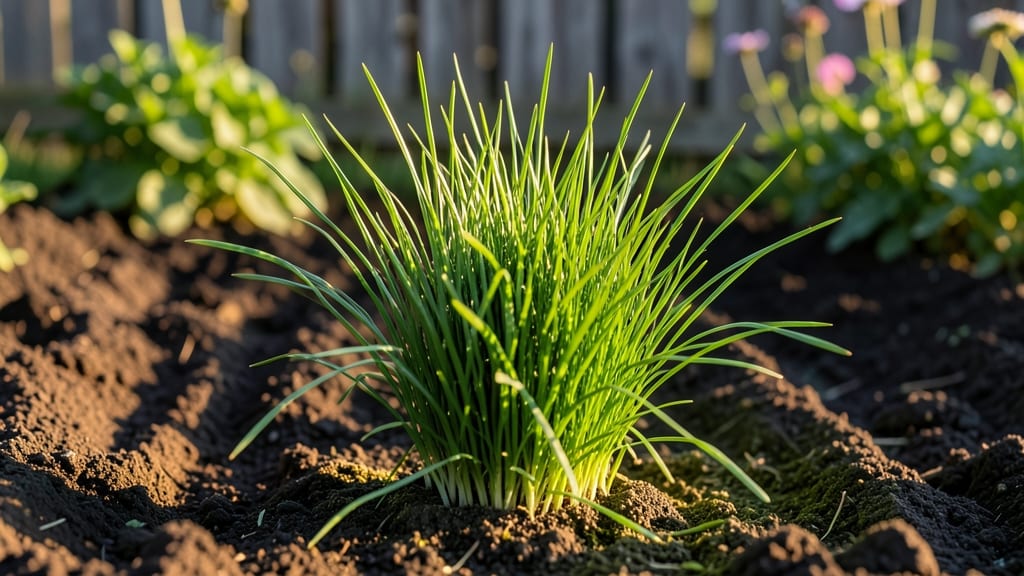
To plant rye grass in Oklahoma, aim for late summer to early fall or early spring when soil temperatures are ideal for germination and frost isn’t a threat.
Oklahoma’s unpredictable winters and hot summers make timing critical for rye grass success—plant too early, and it bolts; too late, and it struggles to establish before frost. Get the window right, and you’ll enjoy lush, cold-hardy ground cover that outlasts even the toughest Central Plains winters.
Northern Oklahoma’s 6a zone has a shorter growing season, so focus on late August to early October plantings, while southern Oklahoma’s 8a zone can stretch that window until November. Spring plantings work too, but rush them, and you risk weak establishment before summer heat sets in.
Below, I’ll break down the best months by region, soil prep tips to speed up germination, and how to adjust for Oklahoma’s wild weather swings—so your rye grass thrives year-round.
Optimal planting months for rye grass in Oklahoma’s climate zones
Oklahoma’s USDA zones 6a-8a create distinct planting windows for rye grass, where timing determines whether your grass thrives or struggles. In northern Oklahoma (6a-7a), early frosts demand precise scheduling, while southern Oklahoma (7b-8a) offers longer windows—but heat stress becomes a risk if planted too late.
Understanding these microclimates ensures your rye grass establishes before winter or summer extremes.
For annual rye grass, aim to plant 4-6 weeks before the first frost—typically late August to early October in most regions.
This gives seeds time to germinate and develop a 4-inch root system before cold snaps. Perennial varieties, like Marshall rye grass, tolerate slightly later plantings but still need soil temperatures above 50°F for reliable germination.
Soil temperature is your best guide: rye grass seeds germinate fastest when soil reaches 55-65°F. In Oklahoma City (7a), this usually happens by mid-September, while Tulsa (7b) sees ideal temps a week earlier.
Use a soil thermometer to confirm—planting too early in warm soil can trigger premature bolting.
Here’s your climate-zone breakdown for planting rye grass in Oklahoma, including frost dates and ideal windows:
Spring planting is ideal for summer overseeding or forage production. In northern Oklahoma, wait until after the last frost (April 15) to avoid heat stress, while southern regions can start as early as mid-February.
For fastest establishment, choose fast-germinating varieties like ‘Winterizer’, which sprouts in just 4-5 days when soil temps are optimal.
If you miss the fall window, don’t despair—rye grass tolerates light frost and can be planted into early November in southern Oklahoma. However, avoid planting after October 15 in northern zones, as seeds may not germinate before winter dormancy.
For high-altitude areas (e.g., Oklahoma City), prioritize late August plantings to ensure roots harden before November frosts.
Pro tip: Test your soil pH before planting—Oklahoma’s alkaline soils (pH 7.5+) can slow germination.
Aim for a pH of 6.0-7.0 by amending with sulfur or peat moss if needed. Loosen soil to 4 inches deep and mix in compost to improve drainage, especially in clay-heavy areas like Tulsa’s eastern counties.
For winter hardiness, focus on fall plantings—rye grass establishes deeper roots when stressed by cool nights, making it more resilient to Oklahoma’s -10°F dips. If you’re overseeding in spring for summer lawns, pair rye grass with warm-season grasses like Bermuda for year
How to adjust planting timing for Oklahoma’s unpredictable weather patterns
Oklahoma’s weather can shift faster than a summer storm, making rye grass planting a delicate dance between heat intolerance and early frost risks. High-altitude areas like Oklahoma City (USDA Zone 7a) face harsher winters than Tulsa (Zone 7b), so timing adjustments are key.
The wrong move can leave you with bolted grass or weak seedlings struggling to survive.
To beat Oklahoma’s whims, I’ve learned to extend planting windows using simple tricks like frost blankets and soil warming. Fast-germinating varieties like ‘Marshall’ ryegrass or ‘Winterizer’ are my go-tos for high-altitude areas—they establish roots 30% faster than standard types, giving them a fighting chance against late-season freezes.
- Use frost blankets to extend fall planting by 2-3 weeks in northern OK. Lay them over newly seeded areas when night temps drop below 45°F.
- Warm soil with black plastic mulch 1-2 weeks before planting in cool springs. This raises soil temps by 10-15°F, speeding germination.
- Choose fast-germinating varieties like ‘Marshall’ (germinates in 5-7 days) over slower types. Check seed packets for “early maturing” labels.
- Monitor for premature bolting—look for tall, spindly stems with seed heads before October 15. This means you planted too early.
- Adjust for microclimates: Plant 1 week later in Tulsa than Oklahoma City, where frost arrives 10 days earlier on average.
For high-altitude areas like Oklahoma City, I plant ‘Winterizer’ ryegrass in late August—just as summer heat breaks. This gives seedlings 6-8 weeks to establish before first frost (usually November 15).
In Tulsa’s warmer Zone 7b, I push planting to early September to avoid the 90°F+ heat that stresses young grass.
Soil temperature is your best early warning system. Use a soil thermometer—plant when temps are 55-65°F. If it’s cooler, wait or use black plastic mulch to warm it. I’ve seen 3-day germination with warm soil vs. 10+ days when it’s chilly. Patience here saves weeks of frustration.
Don’t ignore premature bolting, either. If your ryegrass shoots up tall with seed heads before October 15, you’ve missed the window. This happens when days get too long (12+ hours of light) or soil temps stay too warm.
Next time, plant 2 weeks later or choose a shorter-day variety like ‘Avalanche’.
With these adjustments, I’ve successfully grown ryegrass in Oklahoma City’s Zone 7a through winters that dropped to -5°F. The secret? Timing + the right tools—not just luck. Try these tricks, and you’ll outsmart Oklahoma’s weather too. 🌾