
Plants
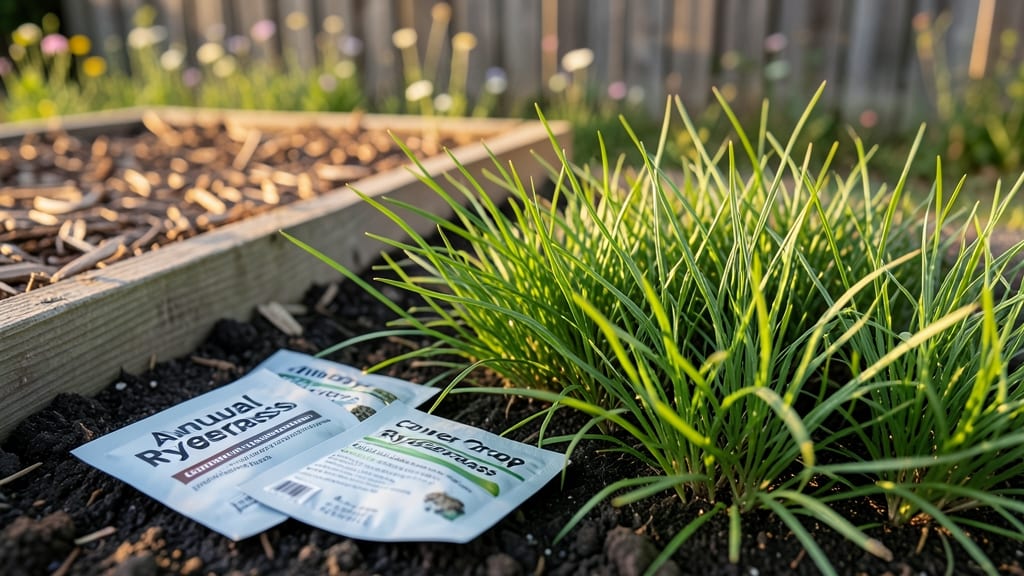
To plant ryegrass in Tennessee at the right time means the difference between a fast-growing, frost-resistant lawn and one that struggles to take hold.
Tennessee’s unpredictable fall and winter weather can make or break your ryegrass lawn—planting at the wrong time means slow germination, weak growth, or even failure. But timing it right guarantees a lush, cold-hardy cover that outlasts frost and recovers faster in spring.
For USDA zones 6a-7b, the ideal window is late summer through early fall, when soil temperatures stay warm enough for seeds to sprout before the first frost hits. This means August and September are your best bets, but spring planting in March also works if you’re starting fresh.
Below, I’ll break down the exact months for your region, soil prep tips, and how to adjust for early or late frosts—so you can get that fast germination and a lawn that thrives all winter long.
Best planting months for ryegrass in Tennessee by region (Nashville, Knoxville, Chattanooga)
Tennessee’s diverse microclimates mean your ryegrass planting success depends on where you live. Nashville’s humid subtropical zone, Knoxville’s cooler mountain climate, and Chattanooga’s valley transitions all create unique frost windows.
Planting 4-6 weeks before first frost ensures strong roots before winter, while spring planting must happen before soil reaches 55°F for best germination.
Fall planting is ideal for cold-hardy ryegrass varieties like Marshall or Penncross, which establish roots before winter and green up faster in spring. Spring planting works but requires consistent moisture to outpace summer heat. Let’s break down the optimal planting windows by region to maximize your lawn’s resilience.
🌱
For Nashville’s warmer climate, late August through September offers the sweet spot—soil stays warm enough for germination but cools before frost hits mid-November. The humidity here can slow seedling growth, so keep seeds lightly mulched with straw to prevent drying.
Knoxville’s higher elevation means cooler soils, so August planting is critical. If you wait until September, early frosts in late October can stunt root development. Choose fast-germinating varieties like ‘Marshall’ to outpace the shorter growing window.
Chattanooga’s valley microclimate extends the season slightly, but late August is still ideal. The city’s warmer nights can trick seeds into germinating too early, so test soil temperature before planting—wait until it drops below 60°F at night.
Spring planting in March works across all regions but requires vigilant watering. Tennessee’s unpredictable spring rains can wash away seeds, so use a seed starter fertilizer to encourage quick germination. Avoid planting after April 15, as summer heat stresses young seedlings.
🌿
Pro tip: Use a soil thermometer to confirm temperatures. Ryegrass seeds won’t germinate below 40°F, and soil above 70°F can cause seed dormancy. In Nashville’s heat waves, plant in early morning or late afternoon to protect seeds from midday heat stress.
If you miss the fall window, don’t despair—overseeding in early spring can revive thin lawns. Just mow existing grass short (1–1.5 inches) before scattering seeds and water deeply for 10 minutes twice daily until germination (about 10–14 days).
🪴
How Tennessee’s frost dates and soil temperatures affect ryegrass success
Ryegrass thrives in Tennessee’s climate, but soil temperature and frost timing are the real game-changers. Planting too early—when soil is still warm—triggers slow germination, while waiting too late risks frost damage before roots establish.
The ideal soil temperature range for ryegrass is 40–55°F, a window that aligns with Tennessee’s fall transition from summer heat to winter chill.
In most of Tennessee (USDA zones 6a–7b), the first frost typically arrives between mid-October and November 15, but this varies by region. For example, Nashville’s frost date is usually November 1, while Chattanooga’s can be as late as November 20.
Planting 4–6 weeks before your local frost date ensures ryegrass germinates and grows strong enough to survive winter.
- Too Early (July–early August): Soil temps >60°F cause slow germination and fungal risks from excess moisture.
- Too Late (October–November): Frost hits before roots establish, leading to weak growth or complete failure.
Soil temperature isn’t just about frost—it’s also about moisture retention. Cool soil holds water better, giving ryegrass the steady hydration it needs to germinate.
If you plant in late August or early September, you’ll catch the sweet spot: soil cools to 50–60°F, and daytime temps stay warm enough for active growth. This balance is why fall planting is the gold standard for Tennessee lawns.
For spring planting, aim for early March when soil warms to 50°F and stays there. However, spring-planted ryegrass may struggle to establish before summer heat sets in, making it a secondary option compared to fall.
Always check your local frost dates—tools like the Old Farmer’s Almanac or NOAA climate data can give you precise timelines for your county.
Pro tip: Use a soil thermometer to confirm temps before planting. If your soil is below 40°F, wait—cold soil can stunt germination. Conversely, if temps exceed 65°F, your seeds may rot before sprouting. Patience is key: rushing the process often backfires in Tennessee’s variable climate.
By aligning your planting with soil temperature thresholds and frost dates, you’ll ensure your ryegrass lawn grows fast, strong, and frost-resistant. Whether you’re in Nashville, Knoxville, or Memphis, these guidelines will help you avoid common pitfalls and enjoy a lush winter lawn year after year. 🌱