
Plants
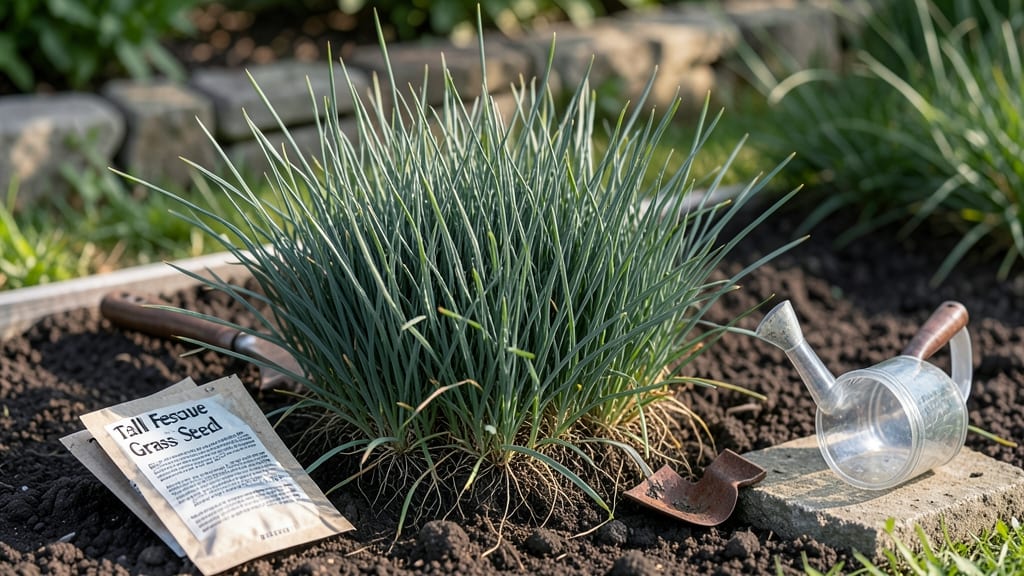
To plant grass seed in Oklahoma at the right time means avoiding the costly mistakes of bare spots and slow germination—think spring for cool-season varieties and late summer for warm-season types.
Oklahoma’s unpredictable weather can make or break your lawn—planting grass seed at the wrong time means wasted money and months of bare soil. Timing isn’t just about seasons; soil temperature, rainfall patterns, and even grass type play critical roles in successful germination.
Cool-season grasses like fescue thrive when soil hits 55°F+ in early spring, while warm-season Bermuda needs 65°F+ by late summer. Southern Oklahoma’s warmer microclimate shifts these windows by weeks compared to the northern panhandle.
Below, I’ll break down the best months for each region, how to prep your soil for Oklahoma’s clay-heavy dirt, and the one watering trick that saves new seed from fungal rot during our erratic rains.
Best planting windows for Oklahoma grass seed by month (soil temp & rainfall guide)
Oklahoma’s diverse microclimates mean your grass seed timing should differ between northern regions (like Oklahoma City) and southern areas (like Tulsa). Cool-season grasses like tall fescue thrive when soil temps hit 55°F+, while warm-season types such as Bermuda grass need 65°F+ to germinate.
Rainfall also matters—August-September often brings ideal moisture for late-summer planting.
Northern Oklahoma’s first frost typically arrives by November 15, while southern zones may delay until December 1. This shift affects your fall planting window—start 6-8 weeks before frost to ensure roots establish before dormancy.
Meanwhile, spring planting should begin when soil warms to 55°F, usually by mid-March in the north and late February in the south.
Soil temperature is your best guide: Use a soil thermometer to confirm readiness. In April, northern OK soils often hit 60°F by mid-month, while southern areas may reach 65°F by early April. Rainfall averages also vary—northern zones get 3.5 inches/month in spring, while southern areas see 4.5 inches, reducing drought stress for new seed.
Here’s your month-by-month planting guide, tailored to Oklahoma’s climate zones and grass types:
| Month | Northern OK Soil Temp (°F) | Southern OK Soil Temp (°F) | Rainfall (inches) | Best Grasses to Plant | Key Considerations |
|---|---|---|---|---|---|
| February | 45-50°F | 50-55°F | 1.5-2.0 | Ryegrass (temporary cover) | Risky—soil too cold for most grasses; only ryegrass tolerates 45°F+. |
| March | 50-55°F | 55-60°F | 2.5-3.0 | Tall fescue, Kentucky bluegrass | Ideal window—soil warms to 55°F+; pair with 1 inch water/week. |
| April | 55-65°F | 60-68°F | 3.0-3.5 | All cool-season grasses | Last chance for spring—avoid planting after May 1 (heat stress risk). |
| May | 65-75°F | 70-80°F | 4.0-4.5 | Buffalo grass (drought-tolerant) | High heat—water daily for 2-3 weeks; avoid cool-season grasses. |
| August | 75-80°F | 78-82°F | 3.5-4.0 | Bermuda grass, Zoysia | Best late-summer window—soil cools slightly; 65°F+ triggers germination. |
| September | 65-75°F | 70-78°F | 3.0-3.5 | All warm-season + ryegrass mix | Plant 4-6 weeks before frost; 2 inches water/week critical. |
| October | 55-65°F | 60-70°F | 2.5-3.0 | Cool-season grasses (late) | Risky—soil cools fast; limit to northern OK only. |
For northern Oklahoma, focus on March-A
Cool-season vs. warm-season grasses: which Oklahoma lawn needs early or late planting?
Oklahoma’s frost dates and summer heat create a unique challenge for lawns. Cool-season grasses thrive in milder temperatures, while warm-season varieties need hot, dry conditions. Choosing the wrong type—or planting at the wrong time—can leave your lawn struggling or even failing to establish.
Let’s break down the key differences and optimal planting windows for Oklahoma’s climate.
Cool-season grasses like tall fescue and Kentucky bluegrass prefer 55°F–75°F soil temperatures and germinate best in early spring (March–April) or late summer (August–September). These grasses go dormant in extreme heat but bounce back when temperatures cool.
Warm-season grasses, such as Bermuda and Zoysia, love 65°F+ soil temperatures and should be planted in late spring (May–June) once the ground warms.
For northern Oklahoma (USDA Zones 6a–7a), cool-season grasses like tall fescue are ideal because they handle shorter growing seasons and earlier frosts. In southern Oklahoma (Zones 7b–8a), warm-season grasses like Bermuda dominate due to longer, hotter summers.
My recommendation? Test your soil’s temperature and pH before planting—cool-season grasses prefer pH 6.0–7.0, while warm-season varieties thrive at pH 6.0–6.5.
If you’re unsure which grass to choose, consider your lawn’s traffic level and maintenance preferences. Cool-season grasses like fescue recover well from foot traffic but need more water in summer.
Warm-season grasses like Zoysia are tougher but turn brown in winter. For a year-round green lawn, many Oklahoma homeowners blend tall fescue and Bermuda for a transition-zone hybrid approach.
Timing is everything in Oklahoma’s climate. Plant cool-season grasses in early spring to avoid summer dormancy, or in late summer to establish roots before winter. For warm-season grasses, wait until soil temperatures hit 65°F+—usually late May—to ensure strong germination.
Pro tip: Use a soil thermometer to track temperatures and avoid planting too early or late.
Remember, Oklahoma’s unpredictable weather means flexibility is key. If your first frost arrives early, hold off on planting cool-season grasses until August. If summer heat lingers, delay warm-season planting until June.
The goal? Give your grass seed the best possible conditions for root development before extreme temperatures set in. 🌱