
Planting
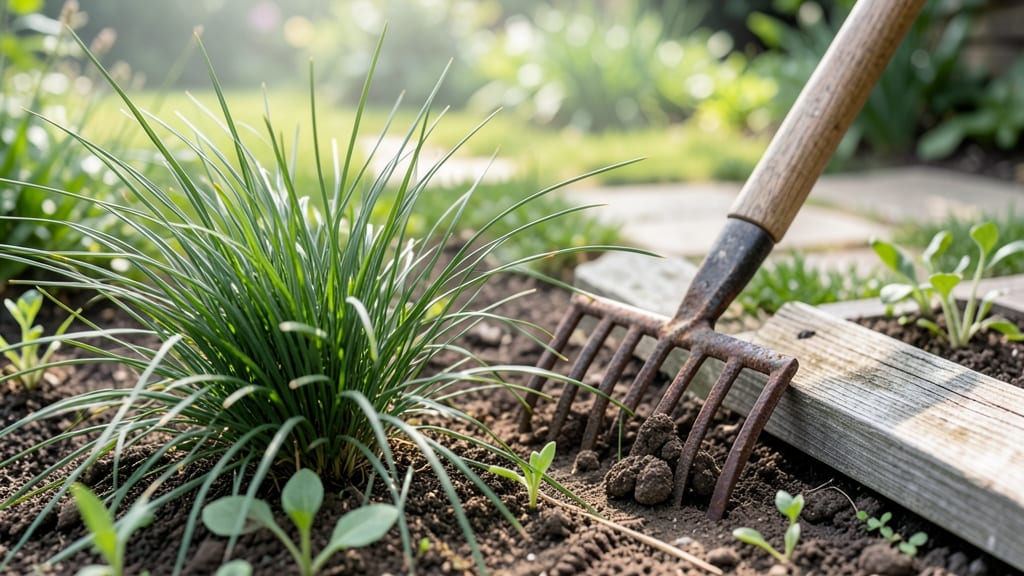
To plant grass seed in New York for fast, lush growth, aim for early spring or early fall when soil temperatures hit 50°F—any earlier and frost can stall germination.
Planting grass seed in New York at the wrong time can mean struggling with slow growth, weeds, or even failed germination—don’t let your lawn suffer from avoidable mistakes.
New York’s climate zones 5a-7b mean your timing matters more than you think. Upstate areas with later frosts need a different schedule than NYC’s milder microclimates, and the difference between a thick lawn and a patchy one often comes down to a few weeks of perfect conditions.
Below, I break down the best months for your region, how to prep your soil for fast root establishment, and the one trick that keeps weeds from stealing your seed’s spotlight.
Best months to plant grass seed in NY for optimal growth
New York’s variable climate makes timing critical for grass seed success. Planting too early risks frost damage, while waiting too long invites weeds and summer heat stress. The ideal window is narrow but predictable: early spring (March-April) or early fall (September-October), when temperatures and moisture align perfectly for germination.
Spring planting gives seeds a full growing season before winter dormancy, while fall offers cooler temps and consistent rain that reduce weed competition. Both seasons avoid the intense summer heat that dries out young roots. Let’s break down the best approach for your NY region.
| Season | Best Months | Soil Temp | Key Conditions |
|---|---|---|---|
| Spring | March-April | 50-65°F | Frost-free nights, 6+ hours sun |
| Fall | September-October | 60-70°F | 4-6 weeks before frost, consistent rain |
| Avoid | May-August | N/A | Extreme heat/drought stress |
For spring planting, aim for late March to mid-April when soil warms to 50°F (10°C). This gives seeds time to establish before summer’s heat. Use a soil thermometer to confirm—cool soil delays germination. In Upstate NY (zones 5a-6a), wait until after April 15 to avoid late frosts.
Fall planting in September-October is my top recommendation for NY. The cooler air and frequent rain create ideal conditions with less weed competition. Plant 4-6 weeks before first frost (typically mid-October in NYC, earlier in Upstate). This allows roots to strengthen before winter dormancy.
Downstate NY (zones 6b-7b) has a longer growing season, so you can plant grass seed as late as early November if temperatures stay above 50°F (10°C).
Upstate areas (zones 5a-6a) should finish by mid-October to avoid early frosts. Always check your local frost dates—they vary yearly.
One common mistake is planting too early in spring when soil is still cold. Grass seeds need consistent warmth to germinate—below 50°F (10°C) slows growth dramatically. Use a mulch layer (straw or peat moss) to insulate seeds if late frosts threaten.
For fall, avoid planting too close to frost—roots need 4-6 weeks to establish.
NY’s rainfall patterns also play a role. Spring often brings variable moisture, so water deeply 2-3 times weekly until seeds sprout. Fall’s consistent rain reduces irrigation needs, but still check soil moisture—1 inch per week is ideal. A rain gauge helps track natural watering.
Choose cool-season grasses like Kentucky bluegrass or tall fescue for NY—they thrive in our climate. Warm-season grasses (Bermuda, Zoysia) struggle in northern zones. Always test soil pH (6.0-7.0) and amend with compost or lime if needed. Proper prep makes all the difference.
After planting, keep the area consistently moist but not soggy. Use a light mulch to retain moisture and suppress weeds. Avoid heavy foot traffic for 4-6 weeks—young grass is fragile. With the right timing and care, your NY lawn will establish deep roots and lush growth by next season.
Remember: Spring = speed (fast germination), Fall = strength (deep roots). Both seasons work—pick the one that fits your schedule and local climate. Happy planting! 🌱
How NY’s climate zones affect grass seed planting timing
New York’s diverse climate zones create significant differences in when you should plant grass seed. Upstate areas like Albany and Syracuse (USDA zones 5a-6a) experience earlier frosts than New York City (zone 7b), meaning your planting window shifts depending on location.
Understanding these variations helps you avoid late frosts or summer droughts that can stress young grass.
For Upstate NY, where winters are colder, focus on planting 4-6 weeks before the first frost—typically mid-August to early September for fall or late April to early May in spring.
In contrast, Downstate NY, including Long Island and NYC, can plant slightly later due to milder winters, extending your window into early October or even mid-May.
| Region | USDA Zone | Best Planting Window | Soil Temp Requirement | Key Consideration |
|---|---|---|---|---|
| Upstate NY (Albany, Syracuse, Buffalo) | 5a-6a | Late April–Early May or Mid-August–Early Sept | 50°F (10°C) minimum | Earlier frost dates; prioritize fall planting |
| Central NY (Rochester, Ithaca) | 6a-6b | Early May or Late August–Early Sept | 50°F (10°C) minimum | Moderate climate; flexible timing |
| Downstate NY (NYC, Long Island) | 7a-7b | Mid-May or Early Oct–Early Nov | 55°F (13°C) minimum | Later frost dates; extended fall window |
Microclimates also play a role. For example, urban areas like NYC may have warmer microclimates due to concrete and buildings, allowing slightly later planting. Conversely, rural Upstate farms can experience colder pockets, requiring earlier adjustments. Always check local frost date averages—your county extension office is a great resource.
Adjust your schedule based on soil temperature, not just calendar dates. Use a soil thermometer to confirm 50°F (10°C) minimum for germination. In Upstate NY, soil may not warm enough until late May, while Downstate can start as early as mid-April.
This difference alone can mean the difference between fast germination and stunted growth.
If you’re in a transition zone (like the Hudson Valley), err on the side of caution. Plant cool-season grasses like Kentucky bluegrass in early fall for a head start, while warm-season grasses like Bermuda should wait until late spring when soil is consistently warm.
Always monitor weekly weather forecasts for unexpected late frosts or heatwaves.
Protect your investment by mulching lightly after planting and keeping soil consistently moist (not soggy). In Upstate, a light straw mulch helps insulate seeds from temperature swings, while Downstate may need shade cloth during summer heat to prevent drying.
With the right timing, your grass will establish strong roots before winter or summer stress sets in. 🌱