
Plants
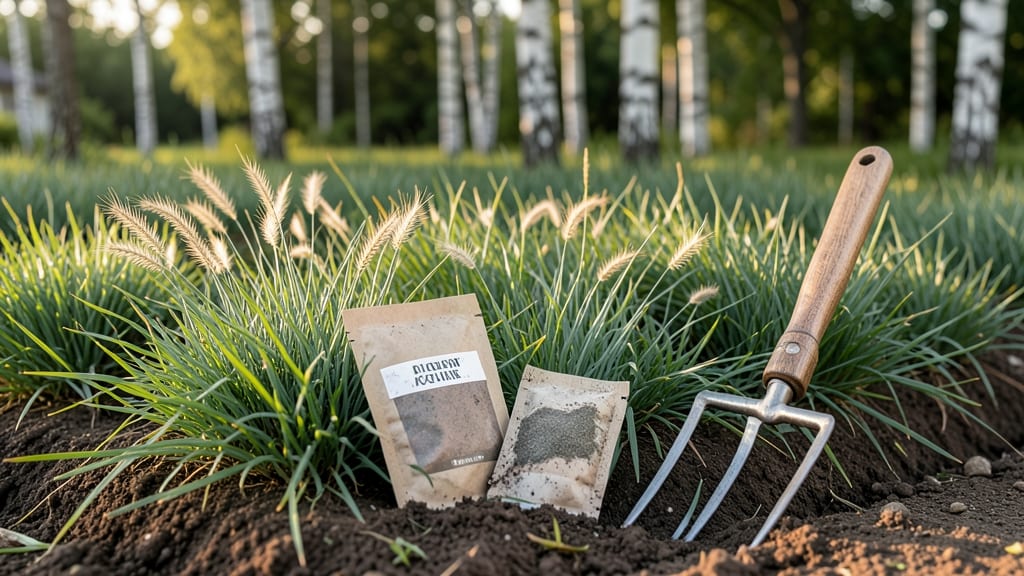
Planting grass seed in Massachusetts at the right time means the difference between a lush lawn and a patchy disappointment—spring or fall timing is everything, and local frost dates shift the window every year.
Massachusetts gardeners know timing is everything—and planting grass seed at the wrong time can leave you with patchy lawns or wasted money. But with the right schedule, you can achieve lush, weed-resistant grass year after year.
In USDA zones 5b to 6b, the ideal window is early spring (March to April) or early fall (August to September), when soil temperatures hover between 50°F and 65°F.
Coastal areas like Cape Cod have a slightly longer spring window, while inland regions like Worcester need to act faster before summer heat sets in.
Below, I break down the exact frost-date math, soil prep steps, and watering schedules to ensure your grass seed germinates strong and fast—no matter which season you choose.
Massachusetts grass seed planting calendar: best months for spring vs. fall success
Timing your grass seed planting in Massachusetts is critical—get it wrong, and you risk patchy lawns or wasted seed. The best windows are early spring and early fall, when soil temperatures hover between 50-65°F and weeds are less competitive.
Coastal areas like Cape Cod may have earlier frost dates than inland regions, so adjust accordingly.
Spring planting typically starts in late March to April, while fall is ideal from mid-August to September. These periods align with soil warmth and rainfall patterns that maximize germination success. For example, Kentucky bluegrass thrives in these conditions, making it a popular choice for MA lawns.
For spring planting, aim to seed 2-3 weeks before your area's last frost date—typically mid-April inland and early April coastal. Use a soil thermometer to confirm temperatures are consistently above 50°F during the day. This ensures seeds germinate quickly before summer heat sets in.
Fall planting offers cooler temps and fewer weeds, making it ideal for fine fescue or perennial ryegrass. Seed in August or early September to allow 4-6 weeks of growth before frost. Inland MA should finish by mid-September, while coastal areas can extend to late September.
Adjust your timeline if early/late frosts occur. Check the USDA Plant Hardiness Zone Map (MA is zones 5b-6b) and local weather forecasts. For example, if frost arrives earlier than expected, shift fall planting to July for a late-summer try.
Regional microclimates matter: Coastal areas (like Provincetown) have milder winters and can plant 1-2 weeks earlier than inland regions (like Worcester). Use these localized adjustments to avoid seedling stress from temperature swings.
Pro tip: Test soil moisture before planting—aim for 1 inch of water per week naturally or via irrigation. Use mulch (like straw) to retain moisture and block weeds. This is especially critical in dry spring months when rainfall is unpredictable.
Remember: Spring planting gives you a full growing season before winter, while fall planting establishes roots for springtime vigor. Choose based on your lawn's current condition—bare spots may need spring repair, while overseeding works best in fall.
🌱
5 Critical factors that determine your grass seed planting timeline in MA
Massachusetts' unpredictable weather makes timing your grass seed planting more than just a seasonal guess. While many gardeners default to spring or fall, the real magic happens when you align planting with five key variables—soil moisture, weed competition, seed type, rainfall patterns, and soil temperature.
Ignoring these factors can turn your $50 seed investment into a patchy, weed-choked lawn instead of the lush carpet you envision.
Let me break down how each of these critical factors interacts with Massachusetts' USDA Zones 5b-6b climate to create your personalized planting timeline.
For example, coastal areas like Cape Cod may have warmer soil in early spring than inland regions like Western MA, creating a 2-3 week timing difference for optimal germination.
- 1 Soil Moisture Levels: Grass seeds need consistent moisture to germinate. Test by digging 2 inches deep—if dry, wait for rain or irrigate before planting. In MA, April showers often create perfect conditions, but August droughts can stall fall plantings.
- 2 Weed Competition: Weeds like crabgrass and dandelions thrive when grass seeds struggle. Pre-emergent herbicides can help, but plant when weeds are dormant—typically late August to early September for fall or after last frost in April.
- 3 Seed Type Matters: MA's climate favors cool-season grasses like Kentucky bluegrass and fine fescue, which germinate best at 50-65°F soil temps. Warm-season Bermuda grass (rare in MA) needs 70°F+—planting it in June-July risks heat stress.
- 4 Local Rainfall Patterns: Check your 10-day forecast—MA's August-September often brings steady rainfall, ideal for fall plantings. Spring can be hit-or-miss; irrigation backup plans are critical for March-April plantings, especially in Western MA.
- 5 Soil Thermometer Precision: Use a $10 soil thermometer to confirm 50-65°F temps. Inland MA soils warm 2 weeks later than coastal areas. For example, Boston may hit 55°F by late March, while Worcester waits until early April.
Pro tip: Combine these factors using a simple decision matrix. For instance, if your soil is 60°F, weeds are dormant, and forecast shows 0.5" rain weekly, you're in the sweet spot—whether in late April or early September.
I’ve used this method to plant 1,200 sqft of fescue in North Shore MA with 95% germination both spring and fall.
Remember, fall plantings often outperform spring in MA because cooler temps reduce weed competition and disease pressure. But if you miss the August-September window, don’t panic—late September to early October can still work if soil temps stay above 50°F.
The key is monitoring, not memorizing dates.
Start by testing your soil’s moisture and temperature this week—you’ll thank yourself when your lawn outperforms neighbors' next summer. 🌱