
Plants
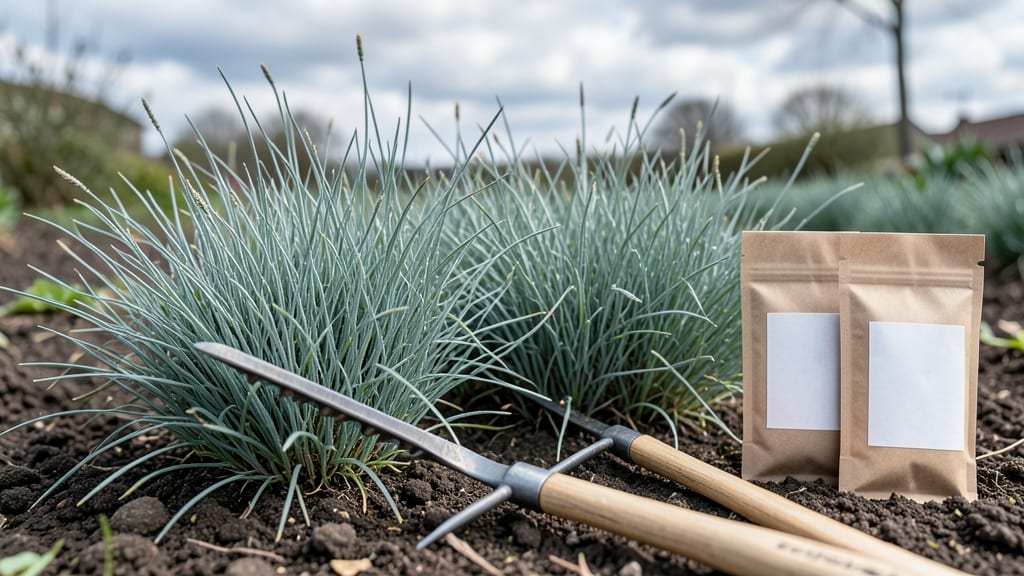
Planting grass seed in Massachusetts spring at the right time ensures strong germination and a thick lawn—soil temperatures and frost dates determine your window of success.
Timing matters more than you think. Plant too early, and frost will kill your tender sprouts. Too late, and summer heat can stress young grass before it takes hold. In 5b-6b zones, that means aiming for mid-April to early May when soil warms to 50°F.
This guide breaks down the exact soil temps to watch, how to adjust for coastal vs. inland microclimates, and the 3-step prep that keeps weeds from stealing your lawn’s spotlight.
You’ll also learn the watering schedule that prevents crusting, the best grass types for your region, and how to spot the first signs of success (or failure) in your yard.
Ideal Massachusetts spring soil temperatures for planting grass seed
Massachusetts gardeners know that cool-season grasses like Kentucky Bluegrass and Fescue thrive in our climate—but only if planted at the right soil temperature. The magic number? 50°F or warmer for consistent germination.
Below this threshold, seeds may rot or fail to sprout, leaving you with bare patches instead of lush green coverage. I’ve learned this the hard way after planting too early in chilly Western MA springs!
Why soil temperature matters more than air temperature is simple: Grass seeds need warmth to activate enzymes that break down stored nutrients. A 50°F soil ensures your cool-season grass seed germinates within 7-14 days.
Test your soil’s warmth using a soil thermometer (insert 2-3 inches deep) or press your hand into the ground—if it feels cool to the touch, wait a few more days.
Regional variations in Massachusetts create microclimates that shift ideal planting windows. Boston and coastal areas (like Cape Cod) warm up faster due to ocean influence, while Western MA’s valleys (e.g., Pittsfield) can lag by 2-3 weeks.
I’ve seen Cape Cod lawns thrive with early April plantings when inland areas still face frost risks. Always check your local USDA hardiness zone (5b-6b for most of MA) for precise guidance.
Here’s how to prepare your soil for planting when temperatures hit that 50°F threshold:
- Rake away debris to expose bare soil
- Loosen compacted areas with a garden fork 3.
Level the surface to prevent water pooling 4. Add compost or starter fertilizer for nutrient boost The goal? Create a loose, level seedbed that holds moisture without becoming waterlogged.
| Region | Ideal Soil Temp | Planting Window | Key Grass Types |
|---|---|---|---|
| Boston/Cape Cod | 50-55°F | Early April - Mid-May | Fine Fescue, Perennial Ryegrass |
| Eastern MA (Worcester) | 50-52°F | Mid-April - Late May | Kentucky Bluegrass, Tall Fescue |
| Western MA (Pittsfield) | 52-55°F | Late April - Early June | Creeping Red Fescue, Mixes |
| Valley Regions (Springfield) | 50-53°F | Early April - Mid-May | Fine Fescue, Ryegrass Blends |
For gardeners in Western Massachusetts, where cooler nights linger, I recommend waiting until late April when soil consistently stays above 52°F. The valley regions (like the Connecticut River Valley) often see a 10-day delay compared to coastal areas.
Pro tip: Plant perennial ryegrass first—it germinates faster (5-7 days) and can establish a "nurse lawn" for slower-growing grasses like fescue.
After planting, maintain consistent moisture—grass seeds need 1/2 inch of water weekly (water deeply 2x/day for the first week). A light mulch (straw, not hay) helps retain moisture and regulate soil temperature.
I’ve found that morning watering (before 10 AM) reduces evaporation and fungal risks. Avoid walking on new seed until it’s 2-3 inches tall—trampling disrupts root development.
One common mistake I see is overestimating soil warmth in March. While air temps might feel spring-like, the ground stays cold. Use a soil thermometer for 3-5 days to confirm consistency. If temps dip below 50°F at night, delay planting or use row covers for protection.
Remember: Cool-season grasses can handle light frosts after germination, but seeds won’t sprout in cold soil.
For Boston gardeners, aim for early April plantings when soil hits 50°F. The coastal influence means faster warming, but don’t rush—wait for 3 consecutive days above 50°F to ensure success.
I’ve had the best results with fine fescue mixes in shaded areas and Kentucky Bluegrass for sunny lawns. Always choose MA-adapted seed blends labeled for your specific region.
If you’re unsure about your local soil temperature trends, check NOAA’s climate data for your town or use a smart soil sensor (like the AcuRite Soil Thermometer). These tools take the guesswork out of timing and help you avoid costly mistakes.
With the right soil temperature and preparation, your grass seed will germinate within 7-21 days, giving you that coveted green lawn by summer.
2024 Massachusetts frost dates and planting windows by Zone
Massachusetts' last spring frost typically arrives between April 15 and May 15, creating a 4-6 week window for planting cool-season grasses like Kentucky Bluegrass, Fescue, and Ryegrass.
These dates vary slightly across the state's 5 USDA hardiness zones (5b-6b), so knowing your exact zone helps you time planting perfectly for germination success.
For Zone 5b (Western MA and Berkshires), aim to plant 4-5 weeks after last frost—usually by May 1. In Zone 6a (Boston, Cape Cod), you can start as early as late April when soil warms to 50°F+.
Coastal areas often see earlier frost-free dates, while inland regions may need to wait until mid-May to avoid late frosts.
- Zone 5b (Western MA): Plant May 1-15 after soil reaches 50°F
- Zone 6a (Boston/Cape Cod): Plant April 25-May 10 when frost risk drops
- Zone 6b (Central MA): Plant April 30-May 15 for best germination
- Coastal Areas: Start 2 weeks earlier (fewer frost risks)
- Inland Valleys: Wait until mid-May to avoid late frosts
Cool-season grasses thrive when planted in 50-65°F soil, so use a soil thermometer to confirm readiness. In Zone 6b (Central MA), this often aligns with late April to early May. For overseeding in fall, wait until late August to early September when nights cool below 70°F.
Pro tip: Ryegrass germinates fastest (7-14 days) and can handle cooler soils, making it ideal for early spring plantings. Kentucky Bluegrass and Fescue prefer slightly warmer soil (55°F+) and may take 2-3 weeks to sprout.
Always check your local Almanac frost dates for the most accurate timing each year.
After planting, maintain consistent moisture (1/2 inch per week) for 4-6 weeks to encourage deep root growth. Avoid walking on new seed until it reaches 3 inches tall to prevent damage. With proper timing, you'll see 70-80% coverage within 6-8 weeks—transforming bare patches into a vibrant lawn.
Remember: Early planting risks frost damage, while late planting delays establishment. The 4-6 week window after last frost gives seeds the best chance to germinate before summer heat sets in. Use this guide to pick your perfect planting date based on your zone!