
Lawn
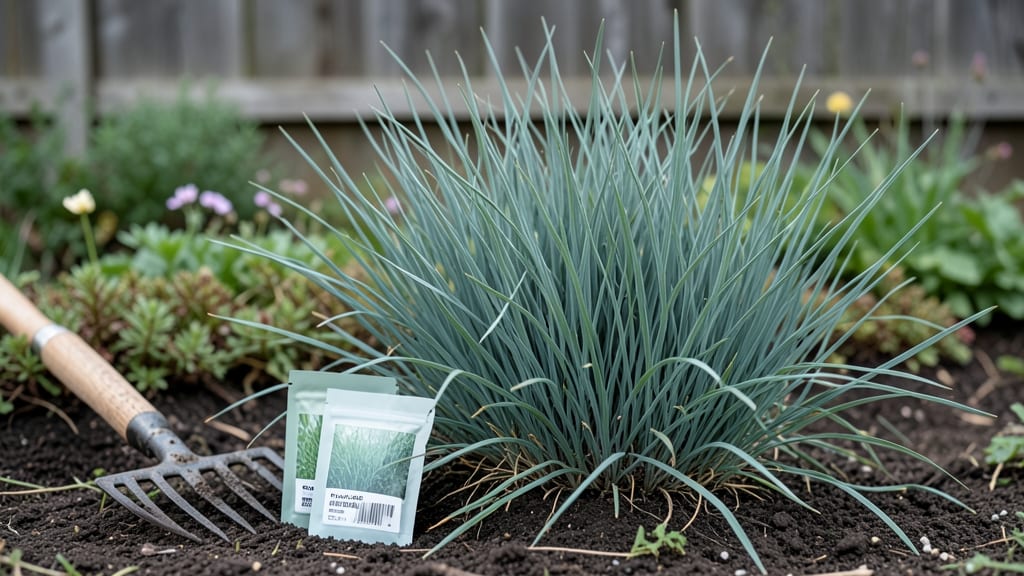
Planting grass seed in Kentucky at the right time can mean the difference between a thick, green lawn and a patchy mess that struggles to take hold.
If you've ever poured money into seed only to watch weeds take over or seedlings wilt in the heat, you know timing is everything. Kentucky's 6a-7b climate gives you two prime windows—early spring and early fall—but getting them wrong means wasted effort.
Below, I break down the exact months to plant for fast germination, how Kentucky's humidity and frost dates play into your schedule, and the simple prep steps that make all the difference.
You'll leave here with a clear planting calendar, soil prep tips, and the confidence to skip the guesswork—because a great lawn starts with the right timing.
Optimal Kentucky grass seed planting months by climate Zone
Kentucky's diverse climate zones—ranging from USDA Zone 6a in the north to Zone 7b in the south—create unique planting windows for grass seed. The key to success lies in soil temperature thresholds of 50-65°F and understanding regional microclimates that affect germination rates.
Planting at the wrong time can lead to poor seed-to-soil contact, weed competition, or even seed rot.
Northern Kentucky, with its cooler springs and earlier frosts, benefits most from early spring (March-April) and early fall (September-October) planting. Southern Kentucky, where summers are hotter and winters milder, extends the fall window into November and may allow for late spring (May) planting in certain microclimates.
Let's break down the best months for each region to maximize your lawn's potential.
🌱
In Northern Kentucky, where USDA Zone 6a dominates, the window for planting grass seed is narrower due to earlier frosts. The ideal soil temperature range of 50-65°F is typically achieved between mid-March and mid-April for spring planting.
Fall planting should begin by September 1st to ensure the grass establishes strong roots before the first frost, usually around mid-November. Delaying past this date risks weak seedlings unable to survive winter.
Southern Kentucky's Zone 7b climate extends both planting seasons. Here, you can start as early as late February when soil temperatures reach 55°F, and the fall window often lasts until mid-November.
This region also allows for late spring planting in May, provided you maintain consistent moisture to combat summer heat. However, avoid planting after June 1st, as the combination of high temperatures and low humidity creates poor germination conditions.
Microclimates within Kentucky—like river valleys or urban heat islands—can shift planting windows by 2-3 weeks.
For example, areas near the Ohio River may experience warmer microclimates that allow earlier spring planting, while higher elevations in the Appalachian foothills might require waiting until late April for soil to warm sufficiently.
Always check local frost date averages and monitor soil temperature with a simple soil thermometer before planting.
One common mistake Kentucky gardeners make is planting cool-season grasses like tall fescue too late in fall. While these grasses can handle light frosts, they need 4-6 weeks of warm soil temperatures to establish roots before winter dormancy.
Planting in late October or November often results in weak germination and increased weed pressure the following spring. For best results, aim to finish fall planting by October 15th in Northern Kentucky and November 1st in Southern regions.
If you're planting warm-season grasses like Bermuda or
How Kentucky's weather patterns affect grass seed germination rates
Kentucky's humid subtropical climate creates unique challenges and opportunities for grass seed germination. The state's variable frost dates, high humidity, and summer heat directly impact when you should plant. Understanding these patterns helps you avoid common pitfalls like poor seed-to-soil contact or drought stress during critical growth stages.
In Kentucky, spring and fall are the only truly reliable windows for planting grass seed. Summer's intense heat and winter's frost make these seasons high-risk.
The key is planting when soil temperatures stay between 50-65°F—this range triggers optimal germination for most Kentucky grass types like tall fescue and Kentucky bluegrass.
🌱 Kentucky Weather's Impact on Grass Seed Germination
- 📅 Spring planting (March-April) benefits from Kentucky's increasing daylight and moderate rainfall, but early planting risks late frosts that can kill young seedlings.
- ☀️ Summer planting (May-August) is never recommended—Kentucky's 90°F+ temperatures cause seeds to dry out before germination, and weed competition explodes in heat.
- 🍂 Fall planting (September-October) offers the best success rates because soil stays warm while air temperatures cool, reducing stress on new grass.
- ❄️ Late fall planting (November) risks early frosts before seeds establish roots—Kentucky's first frost often arrives by mid-November.
- 💧 Humidity's double-edged sword: Kentucky's high humidity helps maintain soil moisture, but poor air circulation increases fungal diseases like dollar spot if seeds aren't properly spaced.
Kentucky's northern regions (USDA Zone 6a) have earlier frost dates than the south (Zone 7b), which means your optimal planting window shifts slightly. For example, Lexington typically plants in late March to early April for spring, while Paducah can wait until mid-April.
Always check your local frost date averages—a 50°F night can halt germination.
Another critical factor is rainfall timing. Kentucky averages 45-50 inches annually, but summer downpours can wash away newly planted seeds if not protected by starter fertilizer or mulch.
Fall's steady rains create ideal conditions, but drought stress in late summer can leave soil too dry for spring planting.
To maximize germination, test your soil's moisture before planting—stick your finger 2 inches deep. If it feels dry, water deeply the night before to ensure seeds have consistent moisture during the first 7-10 critical days of growth.
Kentucky's humid climate means you'll likely need to water less frequently than drier regions, but even moisture is non-negotiable.
Remember: Kentucky's microclimates mean your neighbor's success might not match yours. Shady spots stay cooler longer, while south-facing lawns heat up faster. Adjust your planting timing 1-2 weeks earlier for shady areas and 1-2 weeks later for full-sun patches.
The right timing turns Kentucky's challenging climate into your lawn's best ally.