
Plants
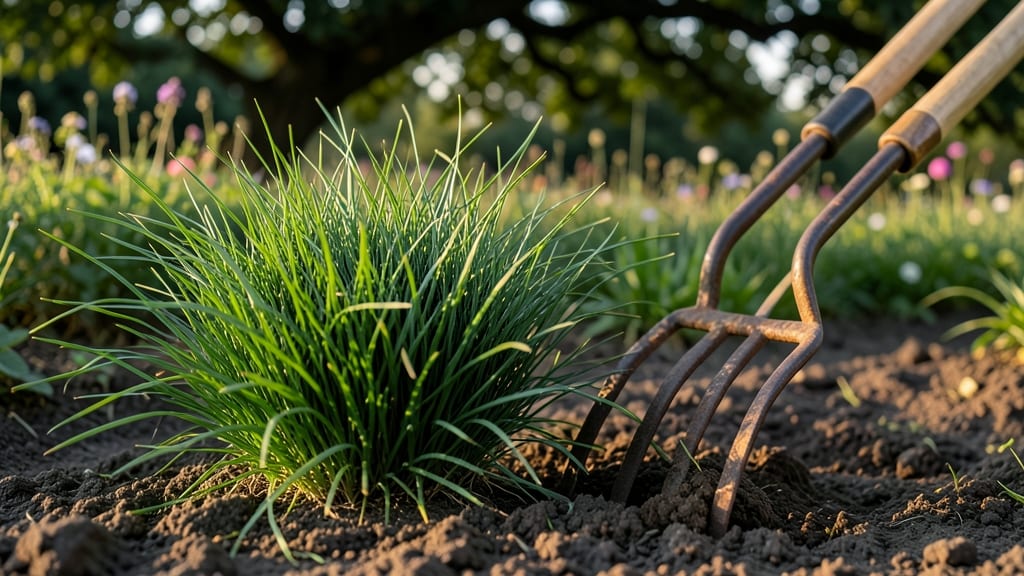
Plant grass seed in Northern California during early fall or late winter for the fastest, most reliable germination — these windows give your 🌱 the ideal balance of moisture and temperature.
Struggling with patchy lawns in Northern California? Timing is everything — plant grass seed at the wrong time, and you’ll waste money on slow growth or failed germination. But get it right, and you’ll enjoy a lush, green lawn in just weeks.
The coastal regions (like San Francisco) have milder winters, so late winter planting works well, while inland areas (like Sacramento) benefit most from early fall’s cooler temps and consistent rain. Both times avoid summer heat stress or winter dormancy.
Below, I’ll break down the best months for your specific zone, how to prep soil for fast germination, and the one watering trick that saves new grass from drying out before it takes root.
Best months to plant grass seed in Northern California by climate zone
Northern California’s diverse climate—from foggy coastal areas to hot inland valleys and chilly mountain regions—means one planting window doesn’t fit all. Coastal zones like San Francisco and Santa Cruz thrive with fall planting, while Sacramento and the Central Valley need earlier starts to avoid summer drought.
Even mountain areas like Tahoe have their own ideal timing. Let’s break it down by zone so you can maximize germination success.
For coastal regions, where mild winters and summer fog dominate, September through November is prime time. The 50–65°F soil temperatures and consistent rainfall create perfect conditions for cool-season grasses like tall fescue and perennial ryegrass.
Inland valleys, however, face hotter, drier summers, so late winter (February–March) becomes critical to avoid heat stress on young seedlings.
🌱 Northern California Grass Seed Planting Guide by Zone
| Zone | Best Planting Window | Soil Temp Range (°F) | Rainfall Needs | Grass Type Recommendation |
|---|---|---|---|---|
| Coastal (SF, Santa Cruz) | September–November | 50–65°F | 0.5–1.5" weekly | Tall fescue, perennial ryegrass |
| Valley (Sacramento, Stockton) | February–March | 60–75°F | 1–1.5" weekly (irrigation) | Bermuda, zoysia, buffalo |
| Mountain (Tahoe, Sierra) | May–June (late spring) | 55–70°F | 0.75–1.25" weekly | Fine fescue, Kentucky bluegrass |
⚠️ Pro Tip: Always test soil moisture before planting—dry soil delays germination, while waterlogged soil causes rot.
If you’re in the Central Valley, February–March is your best bet. By this time, soil temperatures warm up to 60–75°F, and spring rains taper off, reducing erosion risks. Bermuda and zoysia grasses thrive here because they handle summer heat and drought once established.
Just avoid planting in May—the 100°F+ heatwaves will fry young seedlings before they sprout.
For mountain regions like Lake Tahoe and the Sierra Nevada, timing shifts to late spring (May–June).
Cooler nights and shorter growing seasons mean you need to act fast before summer drought sets in. Fine fescue and Kentucky bluegrass are top choices—they tolerate cooler temps and establish roots quickly in the 55–70°F soil typical of these elevations.
One critical mistake I see in all zones? Planting too early in August or late September. While it might seem like a good idea to beat the heat, soil temperatures stay above 75°F, which inhibits germination.
Instead, wait for cooler nights—aim for average daily temps below 80°F—to give seeds the best chance.
Don’t forget about rainfall patterns. Coastal areas get natural moisture from fall storms, but inland valleys often rely on irrigation. If you’re planting in October in Sacramento, be prepared to water manually until November rains arrive.
A soaker hose or sprinkler system can make the difference between lush germination and brown patches.
For warm-season grasses like bermuda or buffalo grass, late spring (April–May) works in southern NorCal, but northern valleys should wait until June.
These grasses need heat to activate, so planting too early just means waiting longer for growth. Test soil temps with a soil thermometer—if it’s below 65°F
How soil temperature and rainfall affect grass seed germination success
Northern California’s diverse microclimates make soil temperature and rainfall patterns the deciding factors for successful grass seed germination. If your soil is too hot or too cold—or if rainfall is inconsistent—your seeds may struggle to sprout, leading to thin, patchy lawns.
Understanding these conditions helps you time your planting for fast, even germination.
Most grass seeds germinate best when soil temperatures hover between 50–65°F. In Northern California, this typically aligns with early fall (September-October) or late winter (February-March).
Coastal areas like San Francisco may see cooler soils for longer, while inland regions like Sacramento can experience warmer soils earlier in the season. Always check soil temps with a soil thermometer before planting.
Rainfall is equally critical. Grass seeds need consistent moisture—about 1–1.5 inches per week—to germinate and establish roots. In Northern California, natural rainfall often provides this in fall and winter, but supplemental watering may be needed in drier inland zones.
Overwatering, however, can suffocate seeds or wash them away, so aim for gentle, frequent watering rather than heavy soaks.
Rainfall/Watering: 1–1.5 inches per week (consistent moisture)
Best Planting Windows: September–October or February–March
Adjust for: Coastal (cooler), Valley (warmer), Mountain (variable)
If your planting window aligns with unusually dry conditions, like the late summer droughts common in Northern California, adjust by watering deeply twice daily (morning and late afternoon) until seeds sprout.
Conversely, if rainfall is excessive, delay planting until soils dry slightly to avoid waterlogged seeds. Always prioritize well-draining soil to prevent rot.
For cool-season grasses like tall fescue or ryegrass, which thrive in Northern California, aim for planting when daytime highs are 70–75°F and nights dip below 60°F.
Warm-season grasses like Bermuda or Zoysia prefer 80–90°F soil temps, making late spring the better option—but these are less common in cooler coastal areas.
Monitor weather forecasts closely. A heatwave or prolonged dry spell can stall germination, while sudden cold snaps may kill tender seedlings. If conditions deviate, consider using a lightweight row cover to protect seeds until they establish. With the right timing and adjustments, you’ll see vigorous sprouts within 7–14 days.