
Plants
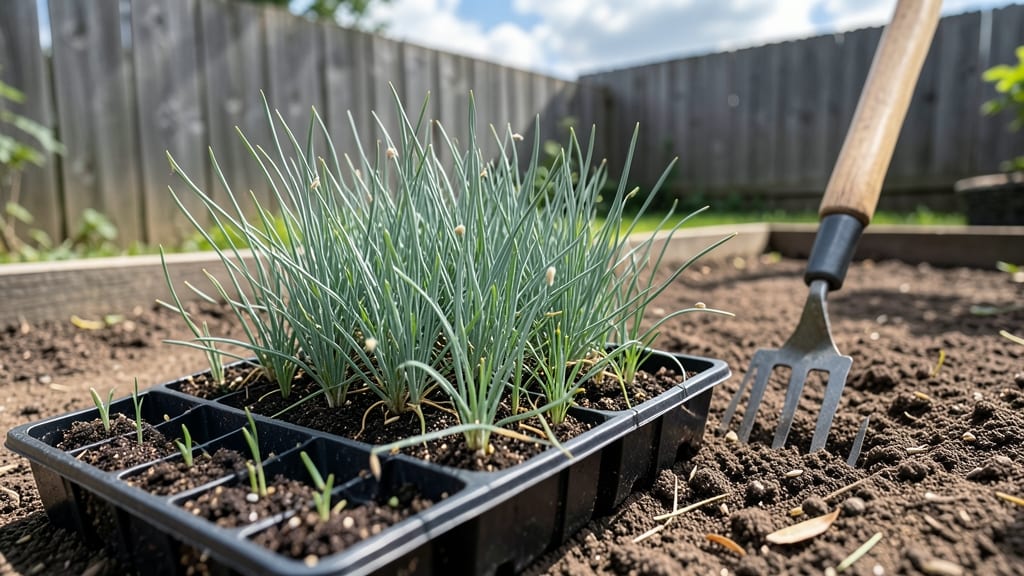
Planting grass in Wisconsin at the right time means the difference between a thick, green lawn by summer and a patchy, slow-growing mess — and the clock starts ticking after your last frost.
Wisconsin’s unpredictable spring frost can turn your grass-seeding dreams into a season-long disappointment unless you plant at the perfect time for your region. Timing isn’t just about avoiding frost; it’s about maximizing root growth before summer’s heat sets in.
Cool-season grasses like Kentucky bluegrass and tall fescue thrive when planted 4-6 weeks before the last frost, which in Wisconsin’s 4b-5b zones typically lands in early April for southern areas and late May up north.
But here’s the catch: planting too early risks frost damage, while waiting too long means your grass struggles to establish before summer drought kicks in.
Below, I break down the exact frost-free timelines for Milwaukee, Madison, and Duluth, the best grass seed varieties for Wisconsin’s climate, and how to prep your soil for a fast, lush establishment—no guesswork, just results.
Wisconsin grass planting zones: when to seed by region (frost-free timelines)
Wisconsin’s 5 distinct USDA hardiness zones (3A-5B) create dramatic differences in last frost dates, meaning your Milwaukee lawn might be ready for seeding weeks before Duluth’s.
Cool-season grasses like Kentucky bluegrass and tall fescue thrive when planted 4-6 weeks before your region’s last frost, while Buffalo grass (a warm-season option) needs soil temps above 60°F. Get this timing wrong, and you’ll battle frost damage or summer stress.
Northern Wisconsin’s Zone 3A (Duluth) has last frost dates as late as May 15, while Zone 5B (Madison) typically sees its final frost by April 20.
These differences mean spring seeding windows vary by 6 weeks across the state. Even within cities, urban microclimates can delay frost by 3-5 days compared to rural areas.
Here’s your region-specific planting timeline for Wisconsin, including optimal seed types and frost protection tips:
For cool-season grasses like Kentucky bluegrass, aim to plant 4-6 weeks before your last frost date. This gives seeds time to germinate and establish roots before summer’s heat.
In Zone 5B (Madison), that means March 15–March 31—but wait until April 15–May 1 in Zone 3A (Duluth) to avoid frost damage.
Buffalo grass, a warm-season option, requires soil temperatures above 60°F. In Milwaukee (Zone 5A), this typically occurs by late April, making May 1–June 15 the ideal window. Unlike cool-season grasses, Buffalo grass won’t survive Wisconsin winters, so it’s best for warm-season lawns or container gardens moved indoors in fall.
Fall seeding is another highly effective strategy for Wisconsin lawns. Plant 6-8 weeks before your first frost date (typically October 1–November 1 across most zones).
This allows grass to establish deep roots before winter dormancy. Tall fescue and fine fescue are top choices for fall, as they germinate quickly in cooler temps and outperform spring plantings in northern climates.
Pro tip: Use a soil thermometer to confirm soil temps before planting. Cool-season grasses need 50–60°F soil temps, while Buffalo grass won’t sprout until 65°F+. In Zone 4A (Green Bay), this often means waiting until April 15 even if the air feels warm.
Patience here prevents seed rot and poor germination.
If you’re in Zone 3A (Duluth), consider covering new seed with frost cloth until May 30
How to confirm your local frost dates before planting grass
Wisconsin’s spring frost dates can shift dramatically from year to year, making it critical to verify your local frost-free window before planting grass seed. Relying on general averages can lead to frost damage or delayed growth—especially for cool-season grasses like Kentucky bluegrass, which need stable temperatures to establish roots.
Start by checking the 10-year frost averages from the NOAA Climate Data portal (climate.noaa.gov). Enter your ZIP code to access historical records for your specific area.
Wisconsin’s last spring frost typically ranges from mid-April in southern regions to late May in the Northwoods, but microclimates can shift these dates by 1-2 weeks.
Urban areas often experience warmer microclimates due to concrete and buildings, while rural spots may see earlier frosts. Use seed packet guidelines as a secondary check: most recommend planting 4-6 weeks before your average last frost date for cool-season grasses.
⚠️ Late Frost Warning: Don’t Ignore These Signs!
Watch for:
- Frost advisories on local weather apps (even after your expected date)
- Frost on grass blades in the early morning (a sure sign of light frost)
- Temperature drops below 32°F at night, even if daytime highs are warm
Protect seedlings with frost cloth or row covers if frost is forecasted within 7-10 days of planting. Remove covers by 10 AM to allow sunlight for photosynthesis.
For extra precision, monitor your local weather station (like Weather Underground) for real-time frost alerts. If you’re planting in late April or early May, keep a thermometer in your yard to track nighttime lows—any dip below 35°F can stunt young grass.
Once you’ve confirmed your frost-free window, aim to plant cool-season grass 4-6 weeks before the last frost or in early fall (late August to early September). This timing ensures strong root establishment before summer heat or winter dormancy sets in.
Pro tip: If you’re unsure, test your soil temperature with a soil thermometer. Grass seeds germinate best when soil temps reach 50-60°F—a clear sign it’s safe to plant. Pair this with your frost data for a foolproof timeline!