
Planting
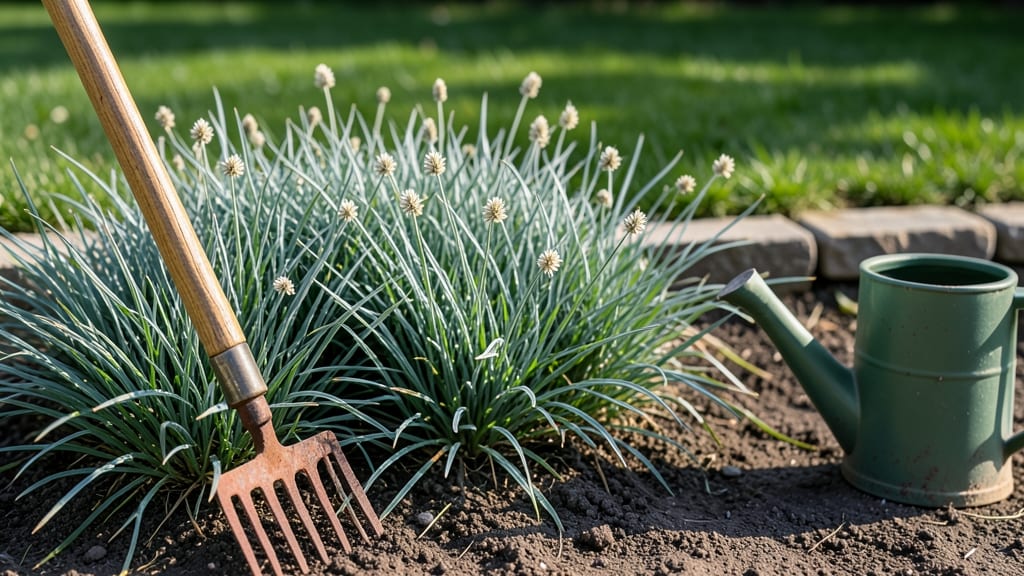
You can plant grass seed in Wisconsin once the soil warms to 50°F and stays frost-free for at least 4-6 weeks—typically mid-April for southern regions and late May in the Northwoods.
Wisconsin’s unpredictable spring weather can turn a perfect lawn into a muddy mess if you plant grass seed at the wrong time—but timing is everything for strong root growth and weed suppression.
Cool-season grasses like Kentucky bluegrass and fescue thrive when soil temperatures rise, but planting too early risks frost damage, while waiting too long lets weeds take over. The key? Check your local frost-free dates and soil temps before breaking out the seed.
Below, I’ll break down the best planting windows by region, soil prep tips, and how to keep your new grass lush through Wisconsin’s 4a-5b winters.
Wisconsin grass seed planting timeline by region (frost-free zones explained)
Timing your grass seed planting in Wisconsin isn't one-size-fits-all—our five distinct climate zones create wildly different frost-free windows. The Northwoods may still have snow in May while Southern Wisconsin hits 70°F by April.
Cool-season grasses like Kentucky bluegrass and tall fescue thrive when planted during optimal soil temperatures (50-65°F), but frost timing varies dramatically by region.
Planting too early risks frost damage to tender seedlings, while waiting too long lets weeds outcompete your grass. Wisconsin's USDA zones 4a-5b mean your last frost date could range from late April in the North to early April in the South.
I'll break down each zone's ideal planting windows so you can time your project for success.
🌱 Pro Tip: Always check your local Almanac frost dates—they're more accurate than generalizations. For example, Milwaukee (Zone 5a) averages its last frost on April 20, while Eau Claire (Zone 4b) often sees frost until May 5. Planting 4-6 weeks before your expected last frost gives seedlings time to establish before summer heat sets in.
For spring planting, aim to get your grass seed in the ground 4-6 weeks before your region's last frost date. This gives seedlings time to develop 2-3 inch roots before summer heat arrives.
In Northern Wisconsin, this means starting as early as late April, while Southern Wisconsin gardeners can begin in early April. The Lake Michigan region often gets cooler air from the lake, so wait until soil temps consistently reach 55°F.
Fall planting offers a second chance for Wisconsin lawns, with August-September being ideal. Seedlings establish roots before winter, giving you a head start next spring. In Northern zones, wrap up by early September to avoid early frosts, while Southern Wisconsin can extend planting until mid-October.
The Driftless Region benefits from fall planting due to its varied topography—plant on south-facing slopes first as they warm up later.
Watch for soil temperature cues—use a soil thermometer to confirm 50°F+ before planting. Cool-season grasses like fine fesc
How to prepare your Wisconsin lawn for grass seed success (soil, weather, and pre-planting checks)
Before you even think about spreading grass seed in Wisconsin, your lawn needs a solid foundation. Cool-season grasses like Kentucky bluegrass and fescue thrive when planted in ideal soil conditions and at the right time.
Skipping prep work means weak roots, patchy growth, and wasted seed—so let’s get this right from the start.
Wisconsin’s soil pH typically ranges from 5.5 to 7.0, but most cool-season grasses prefer a slightly acidic to neutral pH of 6.0 to 7.0. If your soil tests lower, a lime application 4-6 weeks before planting can adjust it naturally.
Don’t guess—use a soil test kit from your local garden center for precise results.
⚠️ callout-warning
⚠️ Common Mistake: Planting Too Early or Too Late
Planting before soil warms to 50°F (10°C) risks frost damage, while waiting until late May or June lets weeds take over. Ideal windows: Early spring (March-April) after last frost or early fall (August-September) for a second chance. Check your USDA Zone (4a-5b) for exact dates—northern Wisconsin waits longer than the south.
🌱 Pro Tip: Use a soil thermometer to confirm temps before planting.
Next, clear your lawn of debris, rocks, and weeds. A dethatching rake or vertical mower attachment works best for thick thatch layers.
For stubborn weeds, apply a pre-emergent herbicide 2-3 weeks before seeding—or go organic with corn gluten meal. Don’t till deeply; just loosen the top 1/4 inch of soil to create a seed-friendly bed.
Choose your grass seed mix based on sun exposure and traffic. Tall fescue handles shade and drought, while Kentucky bluegrass thrives in full sun but needs more water. For high-traffic areas, blend perennial ryegrass for fast germination. Avoid cheap seed—low-quality mixes often include fillers that don’t grow.
Spread seed evenly using a broadcast spreader or by hand for small areas. Lightly rake to ensure seed-to-soil contact, then cover with a thin layer of compost or peat moss (no more than 1/8 inch).
This protects seeds from drying out and birds snatching them. Water gently to settle the soil—no heavy streams that wash seeds away.
After planting, keep soil consistently moist for the first 2-3 weeks. Use a light misting system or water early in the morning to prevent fungal diseases.
Avoid walking on new seedlings until they’re 2-3 inches tall. Once established, mow high (3-4 inches) to encourage deep roots and shade out weeds.