
Plants
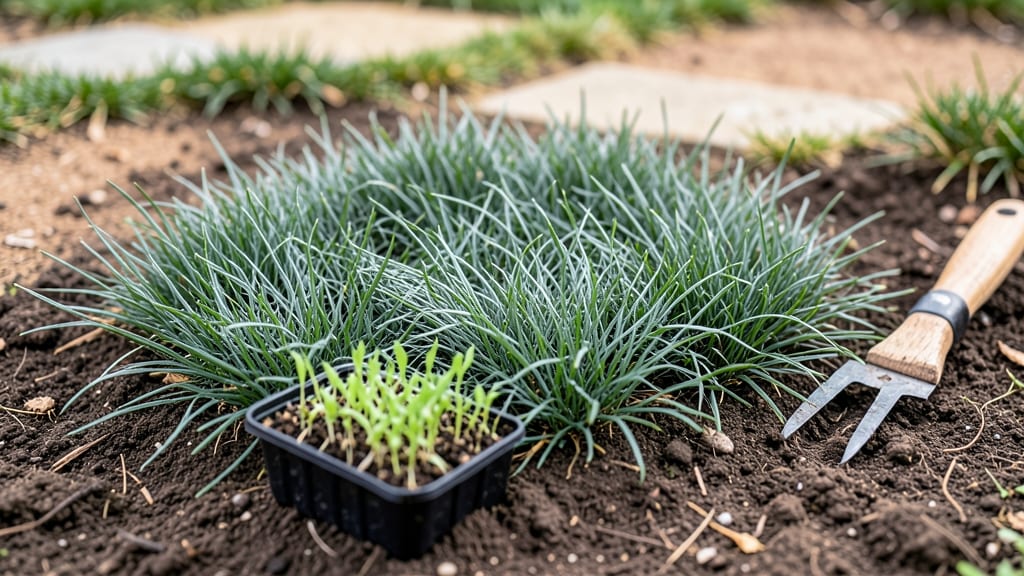
The best time to plant grass in Wisconsin is when soil temperatures hit 50°F–65°F—a window that shifts from early spring to fall, depending on your USDA zone.
Wisconsin’s unpredictable spring weather can make timing your grass planting a high-stakes guessing game—plant too early and risk frost damage, too late and face summer drought stress.
For cool-season grasses like Kentucky bluegrass, aim for April or early May in most of the state, while fall planting in September gives roots time to establish before winter.
Below, I break down the exact soil temperature thresholds by zone, regional frost risks, and how to prep your lawn for lush, resilient growth—no more guesswork.
Wisconsin grass planting calendar: exact months by soil temperature Zones
Wisconsin’s 5 USDA zones (3-5) create dramatic differences in frost timing—northern Zone 3 areas like Superior face late May last frosts, while southern Zone 5 regions near Madison see them by mid-April. These variations mean your cool-season grass planting window can shift by 6 weeks depending on location.
For cool-season grasses (Kentucky bluegrass, fine fescue), the ideal soil temperature is 50°F–60°F—typically April 15–May 15 in most of Wisconsin. Warm-season grasses (Bermuda, Zoysia) prefer 65°F+ soil, making late August–September the sweet spot when nights cool but days stay warm.
Here’s where soil temperature thresholds become your secret weapon: Planting when soil hits 55°F ensures seeds germinate before late spring frosts (common in Zones 3-4 through May 10). Use a soil thermometer—don’t guess!
Regional rule: Southern Wisconsin (Zones 5-6) can start 2–3 weeks earlier than northern areas. For example, Milwaukee (Zone 5a) often hits 50°F soil by April 1, while Green Bay (Zone 4b) waits until April 20.
| USDA Zone | Last Frost Date | Optimal Planting Window | Soil Temp Threshold (°F) | Best Grass Types |
|---|---|---|---|---|
| Zone 3 (North) | May 10–20 | April 25–May 15 | 50°F–55°F | Tall fescue, fine fescue |
| Zone 4a (North-Central) | May 1–10 | April 15–May 10 | 50°F–60°F | Kentucky bluegrass, ryegrass |
| Zone 4b (Central) | April 25–May 5 | April 1–April 20 | 50°F–60°F | Tall fescue blends |
| Zone 5a (South-Central) | April 15–25 | March 25–April 15 | 50°F–58°F | Kentucky bluegrass, perennial ryegrass |
| Zone 5b (Southwest) | April 10–20 | March 15–April 10 | 52°F–60°F | Bermuda (warm-season), tall fescue |
| Fall Planting (All Zones) | N/A | September 1–30 | 60°F–65°F | Cool-season mixes |
Fall planting in September is your second-best window—grass establishes roots before winter while avoiding summer drought stress. Aim for 60°F–65°F soil (typically late August–early September) and finish 4–6 weeks before first frost (usually October 10–20).
Pro tip: Overseeding in late September gives cool-season grasses a 30% thicker lawn by spring. Use a soil thermometer to confirm 60°F+ before seeding—this prevents slow germination from cool nights.
Northern Wisconsin gardeners (Zones 3–4) should avoid planting before April 15—even if soil warms, late frosts can kill tender seedlings. Southern areas (Zones 5–6) can push March planting if soil hits 50°F, but cover seeds with straw if nights dip below 40°F.
Watch for Wisconsin’s "false springs"—warm spells in March can trick you into planting too early. Wait until consistent daytime highs of 60°F+ and nighttime lows above 45°F before committing to seed or sod.
For
How to prepare your Wisconsin lawn for peak grass growth in 2024
Timing your grass planting isn’t just about months—it’s about soil temperatures and frost-free windows. In Wisconsin, late spring frosts can still hit after April 15, while summer heatwaves demand extra prep to keep new grass hydrated.
I’ve learned the hard way that skipping soil tests or rushing seed selection leads to patchy, weak lawns. Let’s fix that with a foolproof checklist.
Your first step is soil testing—aim for a pH of 6.0–7.0. Wisconsin’s clay-heavy soils often need lime or sulfur adjustments. I test mine every 2–3 years using a UW Extension kit (just $15).
If your soil’s too acidic, add pelletized lime 4–6 weeks before planting. For alkaline soils, work in elemental sulfur in early fall.
Next, monitor frost depth using a soil thermometer. Plant when daytime temps stay above 50°F for 5+ days, but nights dip no lower than 40°F. In northern Wisconsin (zones 3–4), wait until mid-May—southern areas (zones 5–6) can start in early April.
Pro tip: Check the National Weather Service’s frost prediction maps weekly.
🌱 Step-by-Step Wisconsin Grass Prep Checklist
- 1 Test soil pH (aim for 6.0–7.0) and amend with lime/sulfur 4–6 weeks before planting.
- 2 Choose seeds: Kentucky bluegrass (shade-tolerant) or tall fescue (drought-resistant).
- 3 Loosen soil to 4 inches deep with a rototiller or broadfork to break compaction.
- 4 Spread seed at 5–8 lbs per 1,000 sqft (use a spreader for even coverage).
- 5 Apply mulch: Straw (1/4 inch thick) retains moisture; avoid hay (weed seeds).
- 6 Water daily for 10–15 minutes (early morning) until seeds germinate (10–21 days).
For seed selection, Wisconsin’s climate favors cool-season grasses. Kentucky bluegrass thrives in shady spots but needs regular mowing (2.5–3.5 inches). Tall fescue, my top pick, handles drought and foot traffic—ideal for families.
Mix in 10% fine fescue for shade tolerance. Avoid warm-season grasses like Bermuda; they struggle in Wisconsin’s winters.
After planting, watering schedules make or break your lawn. For the first 2 weeks, keep soil consistently moist (like a damp sponge). Use a rain gauge to track 1 inch per week.
Switch to deep watering 2–3x weekly once grass reaches 3 inches tall. Mulch with straw to lock in moisture—never use wood chips (they steal nitrogen).
Watch for summer heatwave stress by adjusting mower height to 3–4 inches to shade roots. In northern Wisconsin, late summer droughts are brutal—group new grass with mulch or shade cloth if temps hit 90°F+.
I’ve seen lawns fail when homeowners cut watering during heatwaves; consistency wins. With this checklist, your Wisconsin lawn will outperform neighbors’ by mid-July.