
Companion Plants
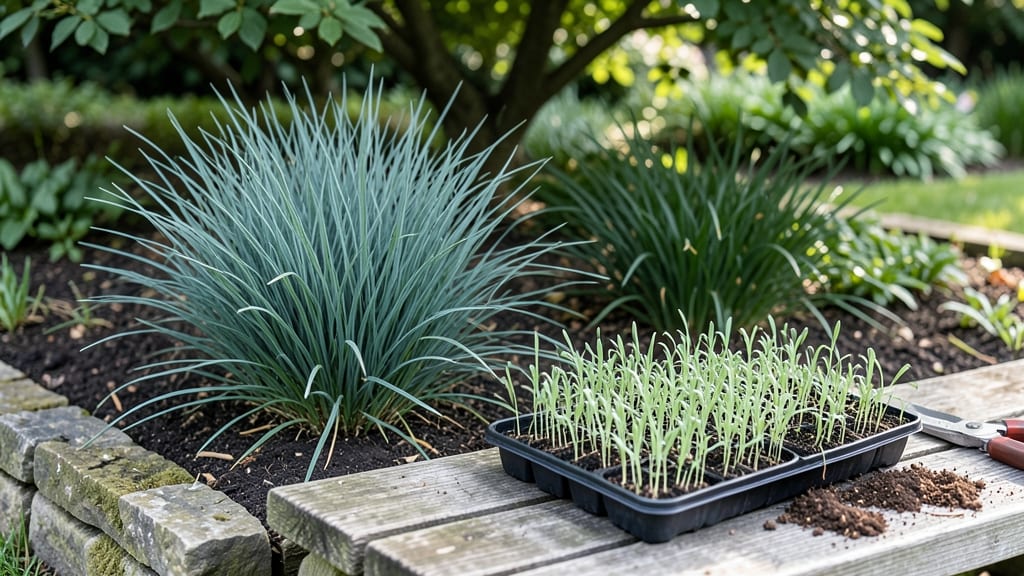
Planting grass in Pennsylvania at the right time means the difference between a lush, green lawn and a patchy, weed-infested mess.
Pennsylvania’s diverse microclimates—from the humid Appalachians to the cooler Lake Erie shores—mean your grass planting timing could make or break your lawn’s success. Get it wrong, and you’ll battle weeds or weak growth; get it right, and you’ll enjoy a resilient lawn all season.
Most gardeners swear by early spring, but fall planting offers a secret advantage: cooler soil and fewer weeds. I’ll break down the best months for each of PA’s five microclimates, plus soil prep tips tailored to your region.
Whether you’re in Philadelphia’s heat islands or Pittsburgh’s frost pockets, you’ll learn how to time your planting for optimal germination and avoid common pitfalls that derail even the best-laid plans.
Best grass planting months in Pennsylvania by region (2024 guide)
Pennsylvania’s five distinct microclimates create unique challenges for lawn care. Whether you're in the humid Southeast or the cooler Northwest, timing your grass planting correctly ensures strong root development before summer heat or winter frost.
Cool-season grasses like Kentucky bluegrass and tall fescue thrive when planted during optimal temperature windows—typically 40-75°F—when weeds are less competitive.
Most gardeners focus on early spring or early fall planting, but Pennsylvania’s regional variations mean you should adjust your schedule. For example, Southeast PA’s warmer microclimate allows for slightly later spring planting, while Northeast PA’s colder zones require earlier starts.
Let’s break down the best months for each region to help you plan your 2024 lawn project with confidence.
Why timing matters: Planting too early risks frost damage or weed competition, while planting too late can lead to weak root establishment before winter. Pennsylvania’s USDA zones 5b-7a create these regional differences, so let’s explore the ideal windows for each area.
| Region | Ideal Spring Planting Window | Ideal Fall Planting Window | Soil Temp Threshold | Key Considerations |
|---|---|---|---|---|
| Southeast PA (Philadelphia, Reading) | Mid-March to early April | Mid-September to early October | 45-65°F (soil) | Warmer winters allow later fall planting; watch for humidity and fungal risks. |
| Northeast PA (Scranton, Wilkes-Barre) | Late April to early May | Late August to mid-September | 40-60°F (soil) | Cooler microclimate; prioritize early spring to avoid late frost damage. |
| Central PA (Harrisburg, Lancaster) | Early April to mid-April | Mid-September to late September | 42-63°F (soil) | Moderate climate; balance between spring weeds and fall frost. |
| Northwest PA (Erie, Pittsburgh) | Late April to early May | Late August to early September | 40-58°F (soil) | Lake Erie influence creates cooler summers and earlier falls. |
| Southwest PA (Allegheny, Washington) | Mid-March to early April | Mid-September to early October | 43-64°F (soil) | Appalachian influence; warmer springs allow earlier planting than Northeast PA. |
For Southeast Pennsylvania, including Philadelphia and Reading, the ideal window spans mid-March to early April in spring and mid-September to early October in fall.
This region’s warmer microclimate allows for slightly later planting than cooler areas, but don’t wait too long—humidity levels rise in late spring, increasing fungal risks like brown patch disease. Test your soil temperature before planting; it should consistently stay above 45°F for 7-10 days to ensure proper germination.
In Northeast Pennsylvania, cities like Scranton and Wilkes-Barre experience cooler temperatures and later last frosts, making late April to early May the safest spring window. Fall planting here shifts to late August to mid-September to avoid early frost.
The Appalachian Mountains create microclimates where soil stays cooler longer, so always check weekly frost predictions from your local Cooperative Extension office.
Central Pennsylvania, including Harrisburg and Lancaster, offers a balanced climate with early April to mid-April as the best spring window. Fall planting here extends to mid-September to late September, giving seeds time to establish before first frost. This region’s moderate rainfall means you’ll need to monitor soil moisture closely—overwatering can suffocate new seedlings, while drought stress weakens root growth.
If you live in Northwest Pennsylvania, near Erie or Pittsburgh, your Lake Erie influence creates a unique climate with cooler summers and earlier falls. Plant in late April to early May for spring and late August to early September for fall.
The lake breezes can delay soil warming, so use a soil thermometer to confirm temperatures reach 40-58°F before planting. Tall fescue performs exceptionally well here due to its drought tolerance.
For Southwest Pennsylvania, including Allegheny and Washington, the Appalachian foothills create a warmer spring than Northeast PA. Your best window is mid-March to early April in spring and mid-September to
How to prepare soil for grass seed in Pennsylvania’s climate
Pennsylvania’s soil can vary dramatically—from the clay-heavy soils of the Poconos to the sandy loam in the Allegheny Plateau. Before planting grass seed, you’ll need to prep your soil to ensure optimal seed-to-soil contact and nutrient availability.
Skipping this step often leads to patchy germination or weed dominance. Let’s break it down by region and soil type.
First, test your soil pH—most cool-season grasses thrive in a pH range of 6.0 to 7.0. If your soil is too acidic (common in eastern PA), add lime 2-3 months before planting.
For alkaline soils (like those in western PA), sulfur or peat moss can help lower the pH. Grab a soil test kit from your local garden center for precise results.
- Remove existing weeds, debris, and rocks using a rake or sod cutter.
- Mow the lawn as short as possible to expose bare soil.
- Use a core aerator (rent or borrow one) to pull 1/2-inch cores from the soil.
- For clay-heavy soils, till to a depth of 4-6 inches to improve drainage.
- Add 2-4 inches of compost or aged manure to improve organic matter.
- Mix in sand or perlite if your soil is too dense (common in eastern PA).
- Rake the soil smooth to create a firm, even seedbed.
- Fill low spots with amended soil and compact lightly with a lawn roller.
- Water the soil 1 inch deep to settle amendments and moisten the seedbed.
- Wait 24-48 hours before seeding to avoid washing away nutrients.
For clay-heavy soils (like those in Philadelphia or Lancaster), focus on improving drainage by adding organic matter like compost or peat moss. In contrast, sandy soils (common in Erie or Pittsburgh) benefit from clay or compost to retain moisture and nutrients.
Always work the soil when it’s damp but not soggy—this is key for avoiding compaction.
Timing matters too. If you’re planting in early spring (March-April), aim to finish soil prep 4-6 weeks before your last frost date. For early fall planting (September-October), complete prep 6-8 weeks before the first frost. This gives seeds time to germinate before extreme weather sets in.
After seeding, use a light mulch (like straw) to protect seeds from drying out or washing away. Water gently but frequently—keep the soil consistently moist (not soggy) until germination, which typically takes 10-21 days depending on the grass type and weather conditions.
Pro tip: If your lawn has thatch buildup (common in older lawns), dethatch before aerating. A thatch layer thicker than 1/2 inch can block water and nutrients from reaching new grass seeds. Use a vertical mower or dethatching rake to remove it before proceeding with soil prep.