
Plants
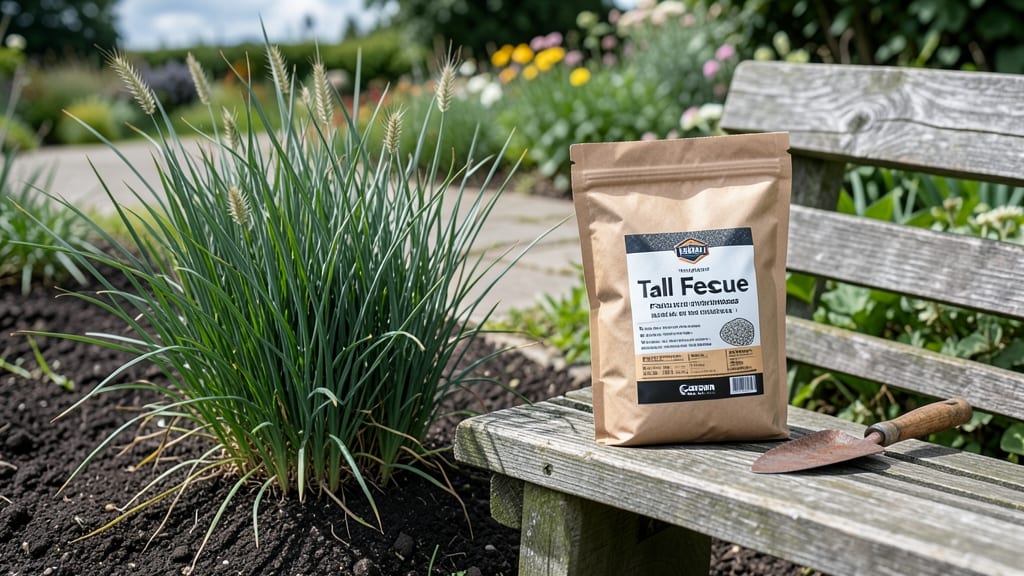
Planting grass in Oklahoma at the right time ensures strong root growth and a lush lawn that survives the state’s extreme heat and drought.
Picture this: you’ve spent hours spreading seed, only to watch it dry out under scorching summer sun or freeze in an early frost. That’s why timing matters—fall and spring are your best bets for germination success in zones 6b-8a.
Cool-season grasses like fescue thrive when planted in late August to mid-September, while warm-season varieties like Bermuda prefer early spring. But here’s the kicker: soil temperature must be between 60-75°F for seeds to sprout.
Below, I break down the exact planting windows, soil prep tips, and how to avoid common mistakes—so you can skip the guesswork and get a healthy lawn year-round.
Best months to plant grass seed in Oklahoma’s climate zones
Oklahoma’s diverse climate—from the cooler northern regions to the hotter southern plains—means timing is critical for successful grass seed germination. Planting at the wrong time can lead to seed dormancy, poor root establishment, or even total failure.
The key is understanding soil temperature thresholds and matching them to your grass type, whether it’s cool-season fescue or warm-season Bermuda.
In Oklahoma, the best planting windows are early spring (March–April) and fall (August–September). These periods align with soil temperatures between 60°F and 75°F, ideal for germination.
However, Oklahoma’s USDA zones 6b–8a create microclimates where northern regions (like zone 6b) have later frost dates than southern areas (like zone 8a). Let’s break it down by region and grass type.
For northern Oklahoma (zone 6b), cool-season grasses like tall fescue thrive when planted in late August to mid-September. This timing allows seeds to germinate before first frost (average November 10) and establish roots before winter dormancy.
Spring planting should wait until mid-April to avoid late frosts that can damage young seedlings.
In central Oklahoma (zone 7a), you can plant cool-season grasses in early spring (early April) or warm-season grasses like Bermuda in late spring (May). Fall is also ideal for mix varieties, giving you a green lawn year-round.
Aim to plant Bermuda by early September so it establishes before summer heat sets in.
Southern Oklahoma (zone 8a) has the shortest growing season for cool-season grasses, so focus on warm-season types like Bermuda or Zoysia. Plant in late March to early April for spring growth or early August to early September for fall establishment. Avoid planting during summer heat (June–July), as soil temperatures can exceed 85°F, leading to seed dormancy or death.
One common mistake is planting cool-season grass in summer or warm-season grass in winter. For example, Kentucky Bluegrass planted in July will bake in the heat and fail to germinate.
Similarly, Bermuda grass planted in December won’t survive Oklahoma’s freezing temperatures. Always check soil temperatures with a soil thermometer before planting.
To maximize success, prepare your soil 4–6 weeks before planting. Test soil pH (ideal: 6.0–7.0) and amend with lime or sulfur as needed. Aerate compacted soil and apply a starter fertilizer with high phosphorus to encourage root growth.
Water lightly daily (about ¼ inch) to keep seeds moist until germination, then gradually increase to 1 inch per week.
If you’re seeding in fall, prioritize late August to mid-September for cool-season grasses. This gives seedlings time to develop deep roots before winter. For spring planting, wait until soil warms to 60°F+ (usually mid-April in the north and late March in the south).
Avoid planting after Memorial Day, as summer heat will stress young grass.
Pro tip: Use a shade cloth if planting in late spring to protect seedlings from intense afternoon sun. For drought-prone areas, consider drought-resistant varieties like Buffalo Grass or Fine Fescue, which thrive in Oklahoma’s variable rainfall.
Always water deeply in the morning to prevent fungal diseases like brown patch, common in Oklahoma’s humid summers.
How Oklahoma’s heat and drought affect grass planting success
Oklahoma’s scorching summers and unpredictable droughts can turn grass planting into a high-stakes game of survival for your lawn. When temperatures soar above 90°F and rainfall dwindles, even the hardiest grass seeds struggle to germinate. The key to success?
Choosing the right heat-tolerant varieties and timing your planting to avoid the worst conditions. Summer planting often leads to seed scorching or shallow root systems that can’t survive drought, while fall planting gives grass a fighting chance to establish before winter.
Native Oklahoma grasses like Bermuda and Buffalo grass have evolved to thrive in these conditions, but even they need strategic planting. Cool-season grasses like Tall Fescue can handle Oklahoma’s heat better than most, but they still require careful water management.
Without proper planning, your new lawn could end up as a brown, patchy disappointment instead of the lush green carpet you envisioned.
⚠️ Critical Planting Deadlines for Oklahoma
Early March – Mid-April
✅ Soil temps: 60-75°F
🌱 Best for: Cool-season grasses (Fescue, Ryegrass)
Late August – Mid-September
✅ Soil temps: 70-85°F
🌱 Best for: Warm-season grasses (Bermuda, Buffalo)
🚫 Avoid planting when soil temps exceed 85°F or during drought warnings.
One of the biggest mistakes I see Oklahoma gardeners make is planting warm-season grasses in late spring when the heat is already intense. By the time seeds germinate, they’re battling heat stress and limited moisture.
Instead, aim to plant Bermuda grass in early summer (June) when soil temperatures are still manageable, or switch to fall planting for better root establishment before winter. For cool-season grasses, early spring planting gives them time to develop deep roots before Oklahoma’s summer heat arrives.
Drought conditions complicate things further. Even drought-resistant grasses like Buffalo grass need consistent moisture during the first 30-45 days after planting. Without proper irrigation, seeds dry out before they can sprout. I recommend using drip irrigation or soaker hoses to deliver water directly to the soil, reducing evaporation.
Mulching with straw or wood chips can also help retain moisture and protect young seedlings from the sun.
If you’re planting in summer, choose shade-tolerant varieties like Zoysia grass or St. Augustine for areas with afternoon shade. These grasses handle Oklahoma’s heat better than traditional lawn grasses and require less frequent watering once established.
Pair this with a thicker mulch layer (2-3 inches) to insulate roots and reduce water loss. Remember, even the toughest grasses need 1 inch of water per week during establishment—don’t skimp on hydration.
Finally, monitor your lawn’s progress closely. Heat stress often shows up as yellowing or wilting within days of planting. If you notice these signs, increase watering slightly and consider applying a light layer of mulch to protect the soil.
With the right variety, timing, and care, your Oklahoma lawn can thrive even in the harshest conditions. The secret? Plan ahead, plant smart, and don’t let the heat catch you off guard. 🌱☀️