
Plants
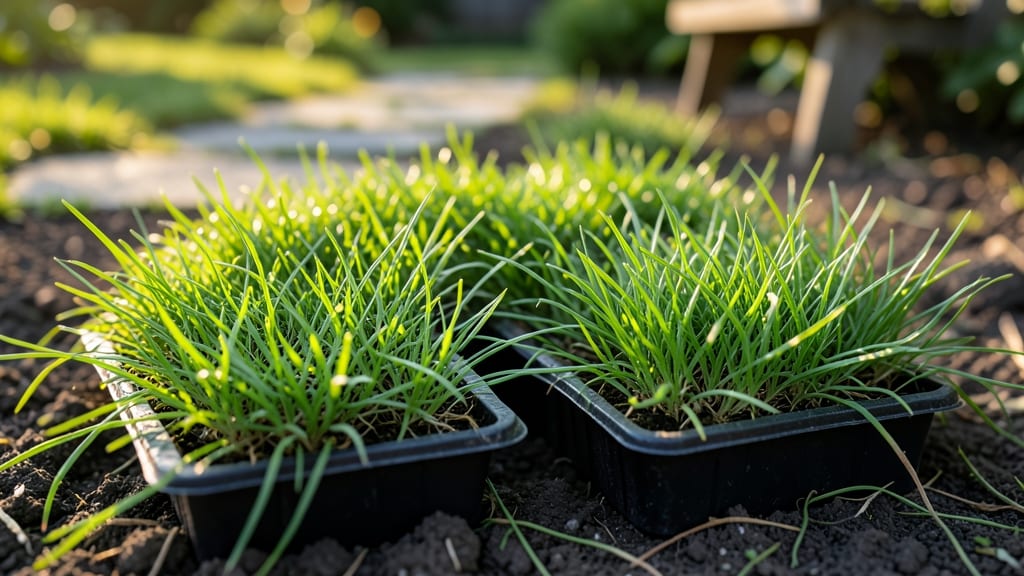
Planting Bermuda grass in Oklahoma at the right time ensures a thick, drought-resistant lawn that outlasts the state’s brutal summers.
Oklahoma’s scorching summers and unpredictable springs make timing critical for planting Bermuda grass—get it wrong, and you risk weak roots or stunted growth. But with the right soil temperature triggers, you can ensure a lush, resilient lawn that thrives year after year.
In USDA zones 6b-7a, the ideal window is late April through early June or August to early September. This aligns with soil temperatures of 65°F and above, which kickstarts strong germination and root development.
Below, I’ll break down the exact months for northern vs. southern Oklahoma, how to test soil readiness, and the one mistake that kills Bermuda grass before it even starts.
Optimal soil temperature ranges for planting Bermuda grass in Oklahoma
Bermuda grass (Cynodon dactylon) thrives in Oklahoma’s heat, but planting it at the wrong time can lead to patchy growth or even failure. The key to success lies in understanding soil temperature triggers—specifically, when the ground warms to 50°F–70°F for seed germination or sod installation.
In Oklahoma, this window varies between North (USDA Zone 6b) and South (Zone 7a), where warmer climates allow earlier planting.
For seed germination, aim for soil temperatures between 65°F–70°F. Seeds need consistent warmth to sprout, and cooler soils can delay or prevent growth entirely. Meanwhile, sod installation can tolerate slightly cooler conditions (50°F–60°F), but roots establish faster in warmer soil.
Testing your soil temperature ensures you plant at the perfect time for your region.
Here’s how Oklahoma’s regional climate differences affect planting timing:
- Northern Oklahoma (e.g., Oklahoma City): Wait until late April–early May when soil consistently reaches 60°F+.
- Southern Oklahoma (e.g., Tulsa, Lawton): You can start as early as mid-April due to warmer soils.
To test your soil temperature, use a soil thermometer buried 2–4 inches deep. Check temperatures daily for a week to confirm consistency.
If your soil fluctuates below 50°F at night, wait a few more days. Morning is the best time to test, as soil cools overnight and warms by afternoon.
Planting Bermuda grass too early (before last frost) risks frost damage, while waiting too long (after June) can stress seedlings in Oklahoma’s intense summer heat.
The ideal window is late April–early June for spring or August–early September for fall, aligning with soil warmth and rainfall patterns.
Here’s a quick reference for soil temperature zones in Oklahoma:
| Planting Method | Ideal Soil Temp | Oklahoma Region | Best Time |
|---|---|---|---|
| Seeds | 65°F–70°F | North (Zone 6b) | Late April–Early May |
| Seeds | 65°F–70°F | South (Zone 7a) | Mid-April–Late May |
| Sod | 50°F–60°F | North (Zone 6b) | Early May–Early June |
| Sod | 55°F–65°F | South (Zone 7a) | Late April–Late June |
If you’re planting Bermuda grass seeds, prioritize soil warmth over air temperature. Seeds need consistent heat to break dormancy, so avoid planting if nighttime temps drop below 55°F. For sod installation, cooler soil is less critical, but roots establish faster in warmer conditions.
In Southern Oklahoma, you can often plant sod as early as late March, while Northern areas should wait until after May 1.
To prepare your soil, test its pH level (6.0–7.5) and amend with compost or lime if needed. Bermuda grass prefers well-draining, slightly acidic soil. After planting, water deeply to 1–2 inches per week to encourage root growth. Avoid overwatering, as soggy soil can suffocate roots and invite disease.
In Northern Oklahoma, keep an eye on late spring frosts, which can still occur in May. If frost is forecasted, delay planting until temperatures stabilize.
Conversely, in Southern Oklahoma, summer heat arrives earlier, so aim to finish planting by early June to avoid heat stress on young grass.
For fall planting, focus on August–early September when soil remains warm but daytime highs start cooling. This gives Bermuda grass time to establish roots before winter dormancy. Use a soil thermometer to confirm temps stay above 60°F during the day for at least 2 weeks post-planting.
Remember: Soil temperature > air temperature when determining planting readiness. Even if the air feels warm, cool soil can stall growth. By aligning your planting with these Oklahoma-specific triggers, you’ll set your Bermuda grass up for a thick, drought-resistant lawn that handles the state’s extreme climate. 🌱
Best months to plant Bermuda grass by Oklahoma zone: a month-by-month guide
Timing your Bermuda grass planting in Oklahoma is all about soil temperatures and avoiding late frosts. Unlike cooler-weather grasses, Bermuda thrives when the ground warms to 65°F or higher.
In Oklahoma City and Tulsa, this typically happens in late April to early June, while rural areas may see slightly earlier or later windows depending on microclimates.
For a second planting window, aim for late summer (August) when temperatures begin to drop. This gives your grass time to establish roots before fall frosts hit in November. However, planting too late risks weak growth before winter dormancy sets in.
Here’s your month-by-month breakdown for planting Bermuda grass in Oklahoma, tailored to local conditions:
- 1 March: Prep only. Test soil pH (ideal: 6.0–7.0) and loosen compacted areas. Avoid planting—frost risk remains high.
- 2 April: Start seeds indoors (if using seed) or prepare sod. Wait until soil hits 65°F—usually mid-to-late April in Oklahoma City.
- 3 May: Prime planting month. Ideal for sod installation or direct seeding. Water daily (1 inch) to keep soil moist but not soggy.
- 4 June: Last chance for spring. Plant only if soil stays above 70°F. High heat can stress new seedlings—water twice daily if temps exceed 95°F.
- 5 July: Dormancy risk. Avoid planting—grass struggles to establish in 100°F+ heat. Focus on watering existing lawns deeply (1–1.5 inches/week).
- 6 August: Fall prep begins. Plant sod only if soil cools below 85°F. Seedlings may struggle in lingering summer heat—opt for established sod for faster results.
- 7 September: Best fall window. Soil temps drop to 70–75°F, perfect for seed or sod. Grass has 6–8 weeks to root before frost.
Pro tip: Use a soil thermometer to confirm temperatures—Oklahoma’s microclimates can vary by 10°F even within cities. For example, rural areas in USDA Zone 7a (like southern Oklahoma) may plant 2–3 weeks earlier than Tulsa’s Zone 6b.
After planting, mulch lightly with straw to retain moisture, and avoid heavy foot traffic for 4–6 weeks to let roots establish. With the right timing, your Bermuda grass will outcompete weeds and stay green through Oklahoma’s brutal summers.
🌱