
Plants
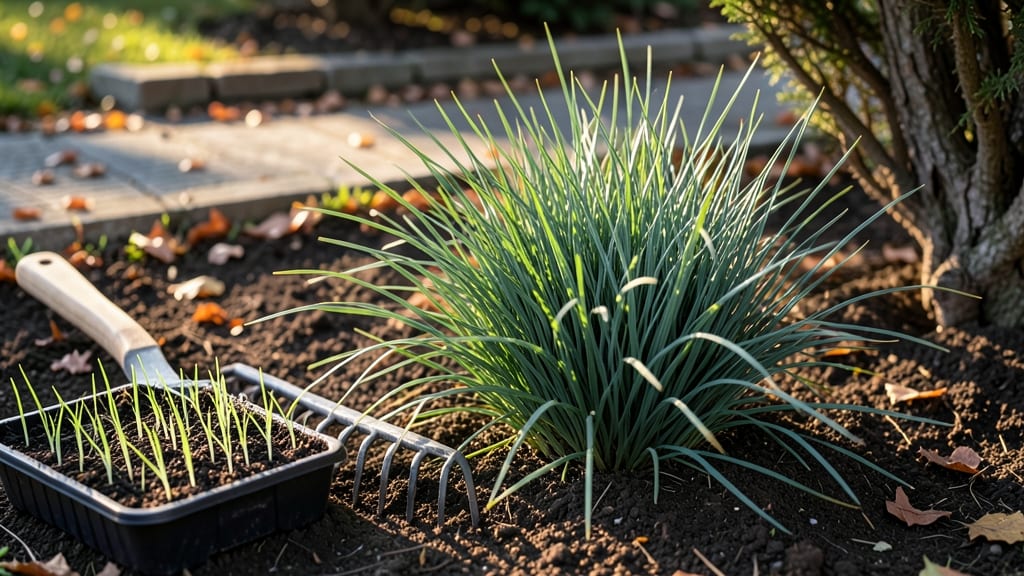
Planting grass in Las Vegas during September–October or March–April gives it the best shot at thriving in the desert’s brutal heat—when soil stays cool and rainfall is more reliable.
Picture this: you’ve spent hours laying down seed, only to watch it dry out in a matter of days because you planted too early. That’s the nightmare scenario when you ignore the 9a zone’s timing rules, and trust me, I’ve seen it happen.
Las Vegas’ monsoon season and scorching summers mean the difference between a lush, green lawn and a patchy, struggling mess. The secret? Plant when temperatures dip below 85°F and moisture lingers longer in the soil—no guesswork needed.
Below, I’ll walk you through the exact months to plant, how to prep your soil for the desert climate, and the fastest way to establish roots before the heat kicks in.
Best months to plant grass in Las Vegas for fast root growth
Las Vegas’ extreme climate demands precise timing for grass planting. The coolest months—September through November—offer the best conditions for root establishment, with soil temperatures between 60°F–75°F and minimal evaporation. This window aligns perfectly with the Mojave Desert’s monsoon season, providing natural moisture to support germination.
For warm-season grasses like Bermuda or Zoysia, the ideal planting window is late August to early September, when daytime highs drop below 90°F. Cool-season varieties like Kentucky Bluegrass thrive when planted in early fall (September–October) or late winter (March) to avoid summer heat stress.
Planting during April–June is risky due to soil temperatures exceeding 80°F, which causes seed desiccation and poor root development. The scorching sun and low humidity create conditions where new grass struggles to establish before entering dormancy.
Las Vegas’ alkaline soil (pH 7.5–8.5) and low organic matter require pre-planting amendments like compost or sulfur to improve water retention. Without these adjustments, even the best planting window can lead to stunted growth or patchy lawns.
Here’s a quick reference for optimal planting windows and key considerations:
After selecting the right planting window, prioritize deep watering—1–1.5 inches per week—to encourage root penetration. The first 2–3 weeks are critical; shallow watering leads to surface roots that can’t survive Las Vegas’ heat.
For fastest establishment, use starter fertilizer with high phosphorus (P) (e.g., 10-20-10) to boost root growth. Apply it 2–3 days before planting and water thoroughly to activate nutrients. Avoid nitrogen-heavy fertilizers early—they promote top growth at the expense of roots.
Las Vegas’ microclimates further complicate timing. Urban areas like downtown experience heat island effects, while high-desert zones (Henderson) stay cooler. Adjust planting dates 1–2 weeks earlier in urban heat pockets to compensate for higher soil temperatures.
Monitor soil moisture daily during germination. The top 1–2 inches should stay consistently damp—use a moisture meter or the finger test (insert finger 1 inch deep; soil should feel like a damp sponge). Overwatering causes fungal diseases, while underwatering leads to crispy seed.
Once roots establish (4–6 weeks post-planting), reduce watering to deep, infrequent soaks (e.g., 2–3 times per week) to encourage drought resistance. This mimics Las Vegas’ natural rainfall patterns and prepares your lawn for summer’s 110°F+ temperatures.
🌱
How Las Vegas’ microclimates affect grass planting success rates
Las Vegas isn’t a single climate—it’s a patchwork of microclimates where Henderson’s high-desert elevations (2,000–3,000 ft) get cooler nights than downtown’s urban heat islands (3,000–4,000 ft). This means your grass seed’s success hinges on where you live.
In Henderson, cooler temps and lower humidity create gentler conditions, while downtown areas battle extreme heat and reflected sunlight from concrete. Even a 500-foot elevation change can shift your ideal planting window by 2–4 weeks.
Elevation plays a surprising role: higher areas like Summerlin (3,500+ ft) experience 10°F cooler nights than Strip properties, delaying dormancy and extending your planting window. Meanwhile, shade availability varies wildly—downtown’s canyons trap heat, while suburban yards near Mount Charleston get afternoon relief.
These factors mean your neighbor’s perfectly timed Bermuda grass might fail where yours thrives.
Let’s compare the key differences between high-desert zones and urban heat islands, plus how to adjust your watering schedule and seed selection for each. The table below shows risk levels for planting outside ideal windows—critical for avoiding heat shock or fungal stress.
In high-desert zones, your grass has a fighting chance even in May or June if you pre-soak the soil and use shade cloth during peak heat (12–3 PM). But downtown? Planting after April 15th without drip irrigation and reflective mulch risks 90% failure from heat shock.
I’ve seen Kentucky Bluegrass planted in Henderson thrive in May, while identical seed in parched downtown lots turned crispy within 10 days.
Elevation also affects dormancy timing. At 3,500+ feet, grasses enter dormancy by late October, while downtown lawns may stay active until November 15th.
This means your fall fertilization schedule should shift: Henderson can fertilize until mid-November, while downtown should stop by October 20th to avoid winter stress. Test your soil’s moisture retention—high-desert soils dry out faster than urban areas due to lower humidity.
Pro tip: Use a soil thermometer to monitor temps. In Henderson, aim for 60–70°F at 2 inches deep; downtown, 65–75°F is safer. If temps spike above 85°F for 3+ days post-planting, cover seedlings with burlap until evening.
And always water deeply at dawn—this reduces evaporation by 30% compared to evening watering.
🌱