
Plants
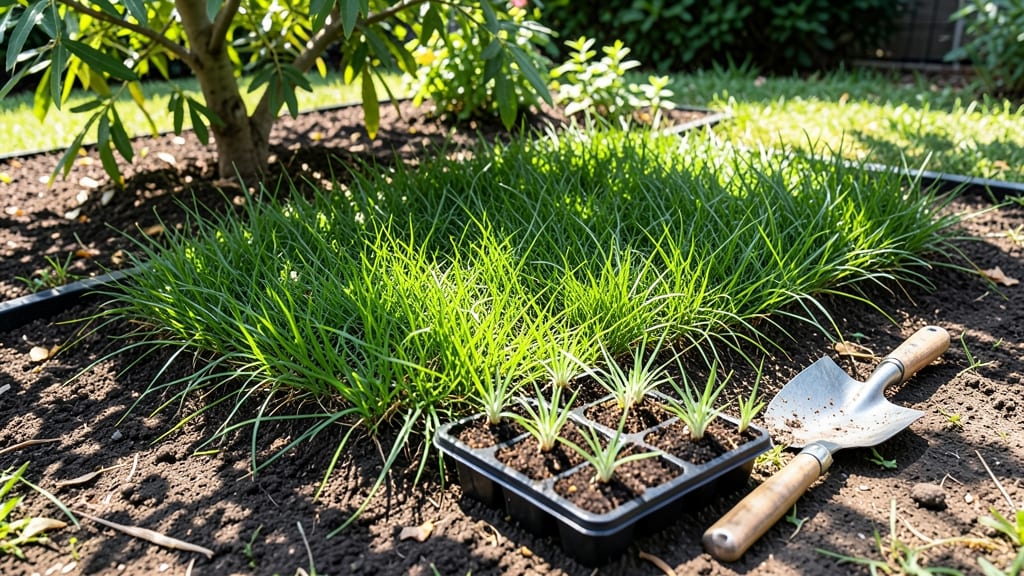
Planting Bermuda grass in San Antonio at the right time means the difference between a thick, heat-beating lawn and a patchy, struggling mess.
San Antonio’s scorching summers and unpredictable spring rains can turn lawn planting into a guessing game—but timing is everything for a lush, heat-resistant Bermuda grass lawn.
You’ve got two prime windows: early spring when the soil warms up or late summer before the real heat kicks in. But here’s the catch—San Antonio’s microclimates (think Hill Country vs. urban areas) can shift that ideal time by a few weeks.
Below, I’ll break down the exact months to plant, how to prep your soil for drought-resistant growth, and the 30-day care schedule that keeps your grass thriving even when temps hit 100°F.
Optimal planting windows for Bermuda grass in San Antonio’s climate
San Antonio’s USDA Zone 8b climate creates two perfect windows for planting Bermuda grass: early spring and late summer. Unlike cooler grasses, Bermuda thrives in heat, but timing ensures strong root establishment before extreme conditions. The key? Soil temperatures above 65°F—any cooler, and germination slows to a crawl.
Spring planting (March–April) gives Bermuda a head start before summer’s brutal heat, while late summer (August–September) lets it establish before winter dormancy. But here’s the catch: San Antonio’s microclimates—like the cooler Hill Country vs. urban heat islands—can shift ideal timing by weeks.
Let’s break it down by method and location.
🌱 Pro Tip: Use a soil thermometer to verify temperatures—Bermuda grass seeds need consistent warmth to sprout reliably. If your soil runs cooler than 65°F, wait at least 2 weeks or switch to sod for faster results.
| Factor | Spring Planting (March–April) | Late Summer Planting (August–September) |
|---|---|---|
| Soil Temperature | 65–75°F | 75–85°F |
| Best Method | Seed or Sod | Sod (faster) |
| Establishment Time | 6–8 weeks | 4–6 weeks |
| Microclimate Adjustment | Hill Country: Wait until April | Urban Areas: Plant by August 15 |
| Watering Needs | Deep weekly soaks | Daily for 2 weeks |
| Risk Factor | Spring rains may delay germination | Late-season heat stress |
For San Antonio’s Hill Country, where nights stay cooler, delay spring planting until mid-April to avoid frost risk. Urban areas like Downtown or Stone Oak can plant seeds as early as late February if soil warms quickly. Always test soil with a thermometer—65°F is non-negotiable for seeds.
Sod offers a faster solution, especially in late summer. Since Bermuda grass spreads via stolons, sod establishes 3x quicker than seeds, giving it a fighting chance against September’s heat spikes. If planting sod in August, prioritize shade cloth for the first 2 weeks to reduce stress.
⚠️ Warning: Avoid planting Bermuda grass in May or June. Soil temperatures often exceed 90°F, causing seed desiccation. Even sod struggles—roots can’t establish fast enough before summer dormancy kicks in. Save these months for overseeding or repairs.
San Antonio’s alkaline soil (pH 7.5–8.5) also plays a role. Before planting, amend soil with sulfur or peat moss to lower pH to 6.0–6.5. Bermuda grass thrives in slightly acidic conditions, and poor soil prep is the #1 reason lawns fail here.
Test soil 4–6 weeks before planting to allow adjustments.
Once established, Bermuda grass goes dormant in winter but rebounds fiercely in spring. For a year-round green lawn, combine spring seeding with late-summer sod. This two-phase approach leverages San Antonio’s climate: spring for roots, summer for speed. Just remember—consistent watering is non-negotiable during establishment.
For homeowners in elevated areas (e.g., near the Pearl District), where heat reflects off pavement, plant 1–2 weeks earlier than the general timeline. Use a soil thermometer to confirm readiness—this small investment prevents wasted seed and frustration.
With the right timing, your Bermuda grass will outperform St. Augustine and Zoysia in heat tolerance and recovery.
How to prepare your San Antonio lawn for Bermuda grass planting
San Antonio’s alkaline soil and intense summer heat demand special prep work before planting Bermuda grass. Unlike cooler climates, your lawn needs soil amendments to lower pH and improve drainage, plus pre-emergent weed control to give your grass a fighting chance.
Skipping these steps often leads to patchy growth or weed takeover—especially in urban areas with compacted soil.
Start by testing your soil’s pH—San Antonio’s 7.5-8.5 range is too high for Bermuda grass, which thrives at 6.0-6.5. Use a home test kit or send a sample to Texas A&M AgriLife for precise results.
If your soil is too alkaline, mix in sulfur or peat moss 4-6 weeks before planting. This gives the soil time to adjust without burning your grass roots.
🌱 Step-by-Step Prep for Bermuda Grass in San Antonio
- 1 Test & Amend Soil: Lower pH to 6.0-6.5 using sulfur or peat moss. Work amendments 4-6 inches deep with a rototiller.
- 2 Aerate Compacted Soil: Rent a core aerator in late spring (April) or early fall (September) to relieve San Antonio’s dense clay. Aim for 2-3 passes for best results.
- 3 Apply Pre-Emergent Weed Killer: Use prodiamine or pendimethalin 2-3 weeks before planting to block crabgrass and clover. Follow label rates—overapplying can harm Bermuda grass.
- 4 Fertilize with High-Nitrogen: Spread 16-4-8 or 30-0-4 fertilizer at 1 lb per 100 sqft 2 weeks before planting. Water lightly to activate granules.
- 5 Set Up Irrigation: Install drip lines or soaker hoses for deep watering (1-1.5 inches weekly). Bermuda grass needs morning watering to prevent fungal diseases in San Antonio’s humidity.
Don’t overlook weed suppression—San Antonio’s warm winters let weeds like henbit and chickweed thrive. After aerating, apply a mulch layer of compost (½ inch thick) to smother weeds naturally. For stubborn patches, spot-treat with vinegar-based herbicide (20% acetic acid) 1 week before planting.
Timing your fertilization schedule is critical. Bermuda grass in San Antonio grows fastest in summer heat, so feed it every 4-6 weeks from April through September.
Use a slow-release fertilizer to avoid nitrogen runoff during heavy summer rains. Always water deeply after fertilizing to help nutrients reach the roots.
Finally, mow high once your Bermuda grass establishes (set your mower to 1.5-2 inches). This shade protects roots from San Antonio’s brutal sun and encourages dense growth. Avoid mowing when grass is wilted from heat—wait until late afternoon for best results.