
Plants
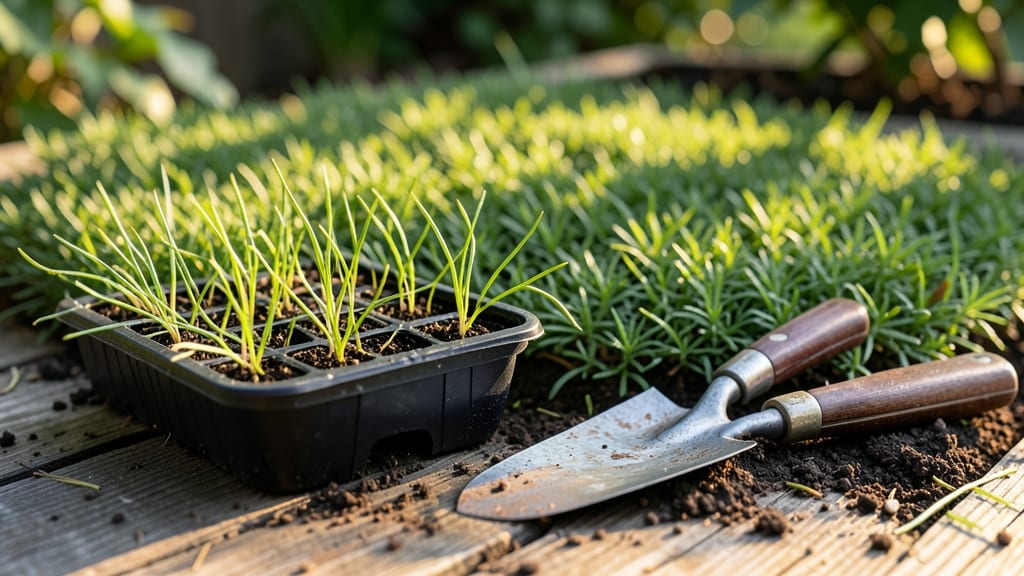
Planting Bermuda grass 🌱 in Arizona between late February and early April gives it the head start it needs to outpace the summer heat.
Picture this: you’ve spent months dreaming of a vibrant, drought-resistant lawn, only to watch it turn brown by June if you plant too late.
The key is getting those seeds or sod into the ground when soil temperatures hover around 65°F—just warm enough to spark growth but not so hot that the roots fry before they take hold.
This isn’t just about timing—it’s about survival. Arizona’s 9b-11 climate demands a strategy that accounts for monsoon rains, triple-digit heat, and soil that can dry out faster than a desert mirage.
Plant too early, and you risk heat stress; too late, and your grass won’t establish before the real dry season hits.
Below, I’ll break down the exact months to plant for fast root establishment, how to prep your soil for the Arizona sun, and the watering schedule that keeps your lawn thriving through the brutal summer months.
Best months to plant Bermuda grass in Arizona for fast root growth
Arizona’s extreme heat and low humidity make timing critical for Bermuda grass success. Planting during soil temperature spikes (above 65°F) triggers rapid root growth, while avoiding peak summer heat prevents stress. The two ideal windows—April-May and August-September—align with Arizona’s monsoon patterns and cooler nights.
Bermuda grass thrives as a warm-season grass, meaning it needs consistent warmth to establish. In Arizona’s USDA Zones 9b-11, early spring planting (April) lets roots develop before summer’s 110°F+ temperatures. The second window (August-September) capitalizes on monsoon moisture while avoiding late-summer heatwaves that can scorch young seedlings.
Soil temperature is your best guide—use a soil thermometer to confirm 65°F+ before planting. In Phoenix, this typically occurs by late March, while Tucson’s higher elevations may wait until mid-April. For the August-September window, aim for soil temps between 75°F-85°F to balance growth and moisture.
Here’s how Arizona’s two climate zones affect planting timing:
| Planting Window | Ideal Months | Soil Temp Range | Key Benefits | Arizona Regions |
|---|---|---|---|---|
| Early Spring | April–May | 65°F–75°F | Deep root establishment before summer heat | Low desert (Phoenix, Yuma) |
| Late Summer | August–September | 75°F–85°F | Monsoon moisture supports growth | Higher elevations (Flagstaff, Prescott) |
| Avoid | June–July | Above 90°F | Risk of heat stress and poor germination | Statewide |
The April-May window is my top recommendation for low desert regions like Phoenix and Yuma. Planting in April gives Bermuda grass 8-10 weeks to establish roots before summer’s peak heat.
Start with sod for instant coverage or seeds if you’re patient—just know seeds take 14-21 days to germinate in ideal conditions.
For higher elevations (Flagstaff, Prescott), the August-September window works best. The monsoon rains provide natural irrigation, reducing your watering workload. However, shade from nearby trees can delay germination, so choose sunny spots or thin tree canopies to maximize sunlight exposure.
Pro tip: If you’re planting seeds, cover them with ¼-inch of soil and keep the area consistently moist (not soggy) for the first 3 weeks.
Use a lightweight mulch like straw to retain moisture without smothering seedlings. Avoid heavy mulch, which can trap heat and kill young grass.
Bermuda grass’s heat tolerance makes it Arizona’s top choice, but timing is everything. Planting too early (February-March) risks cool nights that stunt growth, while late summer (July) brings extreme heat that dries out seeds.
Stick to the April-May or August-September windows, and you’ll see deep green roots within 6-8 weeks.
After planting, deep watering (1-1.5 inches per week) is key. Bermuda grass is drought-tolerant but needs consistent moisture to establish. Water early morning to reduce evaporation and fungal risks. Once established, it’ll handle Arizona’s 110°F+ summers like a champ.
For fastest results, combine April planting with pre-emergent herbicide in late May to prevent weeds from competing for nutrients. This two-step approach ensures your Bermuda grass gets the sunlight, water, and nutrients it needs to outperform weeds and thrive in Arizona’s brutal climate.
Remember: Bermuda grass goes dormant in winter, so don’t panic if it turns brown in December-February. With the right planting timing, it’ll bounce back green and lush by March, ready for another scorching Arizona summer.
How to prepare your Arizona lawn for Bermuda grass planting
Bermuda grass thrives in Arizona’s heat, but your lawn needs the right foundation before planting. Soil prep is the difference between a lush lawn and a struggling one. Start by testing your soil’s pH balance—Bermuda grass prefers 6.0 to 7.5 for optimal growth.
If your soil is too alkaline (common in Arizona), amend it with sulfur or peat moss to lower the pH gradually.
Next, clear the area of weeds and debris—Bermuda grass spreads aggressively and needs a clean slate. Use a sharp shovel or sod cutter to remove existing grass or weeds down to the soil.
This step prevents competition for nutrients and water, giving your new Bermuda grass a fighting chance in the extreme heat.
Use a soil test kit to check pH. Aim for 6.0–7.5. Adjust with sulfur if too high or lime if too low.
Mix in 2–3 inches of compost or sand to improve drainage. Bermuda grass hates soggy roots but needs moisture retention.
Install a drip irrigation system or soaker hoses for deep, infrequent watering. Bermuda grass needs 1–1.5 inches per week during establishment.
Apply a starter fertilizer (high in phosphorus) 2–3 days before planting. Use 10-20-10 NPK ratio for root development.
Rake the area smooth to prevent water pooling or uneven growth. Bermuda grass fills in gaps but struggles with low spots.
Don’t skip the irrigation setup—Bermuda grass needs consistent moisture to establish roots, but too much water causes rot. Install a drip system or sprinklers that delivers water deeply but infrequently.
Aim for 1–1.5 inches per week during the first 4–6 weeks after planting. Early morning watering (before 8 AM) minimizes evaporation and fungal risks.
Finally, add a slow-release fertilizer with a high phosphorus content (like 10-20-10) 2–3 days before planting. This jumpstarts root growth, which is critical in Arizona’s 100°F+ temperatures. Avoid nitrogen-heavy fertilizers early—they promote top growth over roots, making your grass vulnerable to heat stress.
With these steps, your Bermuda grass will establish deep roots quickly, outlasting Arizona’s summer heat like a pro. Just remember: patience is key—it takes 4–6 weeks for roots to anchor before you see full coverage. 🌱