
Plants
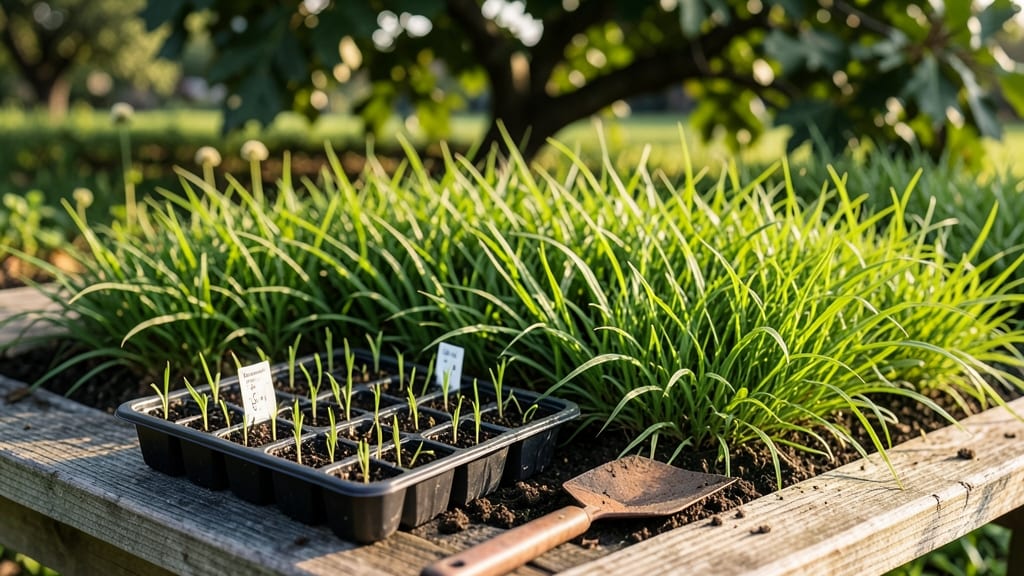
Planting Bermuda grass 🌱 in Virginia at the right time means the difference between a thick, drought-proof lawn and a struggle with slow, patchy growth.
If you’ve ever watched your grass turn brown after a late frost or fight to take hold in cool soil, you know timing isn’t just about seasons—it’s about temperature, soil warmth, and avoiding those early chills that can stall or kill young roots.
Virginia’s climate varies from Zone 6a in the mountains to Zone 8a along the coast, and each region has its own ideal window. Spring is the classic choice, but fall planting can also work if you act fast before the first frost.
Below, I break down the exact months for your area, how to prep your soil for fast root establishment, and the key signs your timing is perfect (or a disaster waiting to happen).
Best planting months for Bermuda grass in Virginia by region
Virginia’s diverse climate—from the cooler mountains in the west to the warmer coastal plains—means Bermuda grass planting times vary dramatically. In Northern Virginia (USDA Zone 6a), you’ll want to wait until after the last frost date (April 15) and when soil temperatures hit 70-75°F.
Meanwhile, in Southern Virginia (Zone 8a), you can start as early as March 15 for spring plantings. These differences ensure your grass establishes strong roots before summer heat arrives.
For spring planting, aim for late April through early June across most of Virginia. This window gives seedlings time to germinate before summer’s intense heat. Fall planting (mid-August to early September) is another great option, allowing roots to establish before winter dormancy.
However, avoid planting in July or August in Northern Virginia—soil temperatures often exceed 85°F, stressing young grass.
Soil temperature is the single most critical factor. Bermuda grass seeds won’t germinate below 65°F, but ideal conditions are 70-75°F. Use a soil thermometer to check depths of 2-4 inches. In Central Virginia (Zone 7a), this typically aligns with mid-April to early May for spring and late August for fall. Timing here balances warmth and moisture for optimal growth.
In Northern Virginia, where winters are colder, focus on spring planting and avoid fall plantings past early September. The first frost typically arrives by November 15, leaving little time for root establishment.
For Central Virginia, both spring and fall windows are flexible, but prioritize soil moisture—summer droughts can stall germination if planted too late.
Southern Virginia offers the widest planting window, including March plantings in milder microclimates. However, even here, late summer (August) is ideal for fall plantings to allow roots to harden before winter. Test your soil’s moisture retention—sandy soils in coastal areas dry out faster, requiring more frequent watering during establishment.
If you’re planting Bermuda grass sod instead of seeds, adjust your timeline by 2-3 weeks earlier. Sod establishes faster because it’s already rooted. For example, in Zone 7a, sod can go in as early as mid-April if soil temperatures are stable.
Always water deeply for the first 2 weeks to encourage root spread into the surrounding soil.
Watch for local microclimates—valleys may frost later than hilltops, and urban areas can be 5-10°F warmer than rural zones. Use a weather app with frost alerts to fine-tune your planting date.
In Northern Virginia’s Shenandoah Valley, for instance, last frosts can linger until May 1, delaying ideal planting until late May.
For best results, pair planting with pre-emergent herbicide applications in early spring to block weeds. In Southern Virginia, where weeds like crabgrass thrive, this step is non-negotiable. Postpone planting if forecasted rain exceeds 1 inch in a 24-hour period—excess moisture can cause seed rot or fungal issues.
Remember: Bermuda grass is aggressive once established, but poor timing leads to thin, patchy growth that struggles with Virginia’s heat and humidity. By aligning
How to prepare your Virginia lawn for Bermuda grass planting
Preparing your lawn for Bermuda grass planting in Virginia is the foundation of a thick, resilient lawn. This warm-season grass thrives when planted in well-aerated soil with the right pH balance and proper moisture levels.
Skipping prep steps often leads to poor germination or weak growth, no matter how perfect your planting timing is. Start by clearing existing vegetation and testing your soil—these early actions set the stage for success.
Bermuda grass demands full sun exposure and well-draining soil to prevent root rot. If your lawn has compacted soil or heavy clay, tilling to a depth of 4-6 inches will loosen the earth and improve seed-to-soil contact.
This step is critical for seedling establishment, especially in Virginia’s humid climate where moisture can suffocate young roots. Don’t rush this process—proper prep saves time and effort later.
⚠️ callout warning
⚠️ Avoid Planting Too Early!
Planting Bermuda grass before soil temperatures reach 65°F (18°C) risks seed rot or slow germination. In Virginia, this typically means waiting until late April or May in Northern regions and March-April in Southern zones. Use a soil thermometer to confirm—cold soil delays growth and invites fungal diseases. Never plant in fall if frost is expected within 6 weeks.
Soil testing is non-negotiable for Bermuda grass success. Aim for a pH range of 6.0-7.0—this grass tolerates slightly acidic to neutral soil but struggles in alkaline conditions. If your test reveals a pH above 7.0, amend with sulfur or peat moss; for pH below 6.0, add lime.
Spread amendments evenly and till them into the top 2-3 inches of soil at least 2 weeks before planting to allow them to integrate fully.
Once your soil is prepped, focus on seedbed preparation. Rake the surface to create a fine, level texture that ensures seeds make direct contact with the soil. Bermuda grass seeds are tiny, so avoid over-tilling, which can bury them too deeply.
A light pass with a garden rake suffices—this creates the perfect micro-environment for rapid germination and even growth. Cover seeds with just ¼ inch of soil or a thin layer of straw.
Irrigation is the final critical step before planting. Bermuda grass seeds need consistent moisture to germinate, but overwatering can wash them away or cause rot. Set up a gentle sprinkler system or drip irrigation to deliver ¼ inch of water daily until seeds sprout.
After germination, reduce to 1 inch per week, always watering in the early morning to minimize evaporation and fungal risks. Avoid wetting the foliage later in the day.
Common mistakes during prep include skipping soil tests, planting too deep, or ignoring weed control. Weeds compete aggressively with Bermuda grass seedlings, so apply a pre-emergent herbicide 2-3 days before planting to suppress weeds without harming the grass.
Monitor your lawn closely in the first 30 days—adjust watering as needed and watch for signs of stress like yellowing or slow growth, which may indicate soil issues or poor seed contact.